Design for the Day Your Room Actually Has
A durable room makes everyday life easier without requiring everyone to tiptoe through it. The places where shoes arrive, drinks get set down, chairs move, and people settle after work tell you more about its needs than a pristine photograph does. Creating a lasting space means matching surfaces, furniture, layout, and maintenance to those repeated activities. A beautiful finish can still be the wrong choice for a busy landing spot, while an ordinary cabinet can work wonderfully when its doors open freely and its contents have a sensible home. Start with the household’s real routines, then build a room that supports them gracefully.
Follow the Wear Through an Ordinary Week
Walk through the room at several different times rather than evaluating it only after tidying. Watch where bags fall, which chair gets pulled out most often, and where everyone puts a glass when the nearest table is occupied. Those repeated contacts form a practical map of wear. They also reveal whether a damaged area reflects an unsuitable material or an awkward arrangement.
A dining chair rubbing a wall every evening may need better clearance before it needs a stronger finish. A sofa arm used as a tray may need a reachable side table. A shelf that catches the vacuum might sit directly in the cleaning route. Small changes to placement can remove recurring friction without replacing the entire room.
Include activities that happen less frequently but put real demands on the space. Guests, craft sessions, seasonal storage, and carrying laundry can change the movement pattern. Give those activities a workable route instead of treating them as interruptions to an otherwise perfect layout. Durability improves when a room has enough flexibility to absorb its normal variations.
Separate Surface Aging From Loss of Function
A faint mark on a table and an unstable table base are different problems. The first may affect appearance while the second changes whether the furniture can perform its job. Describe what you want each purchase to retain: an easy-clean surface, dependable support, a consistent finish, or a mechanism that remains serviceable. That distinction helps direct money toward the features you actually need.
Discuss acceptable aging with everyone involved in the purchase. Some people enjoy wood that develops visible character, while others want a uniform appearance in a prominent area. Neither preference establishes a universal material ranking. The useful choice fits both the expected contact and the appearance you will be comfortable living with.
Match Each Surface to Its Particular Exposure
Different parts of one room can need different protections. The cabinet beside the entry may receive damp outerwear, while a display shelf mainly collects dust. The coffee table experiences handled objects and occasional spills, while a wall panel has relatively little direct contact. Choose specifications by location rather than insisting that one fashionable material cover every surface.
Read the exact care instructions before deciding that a finish is convenient. Cleaning permission can vary between products that look similar, and a familiar household cleaner is not automatically suitable. Room & Board’s product-care pages illustrate why care is organized by material and product type. The practical lesson is to keep the applicable guidance for what you actually buy.
A finish with a manageable routine may serve your household better than an impressive surface that requires care nobody will provide. Consider where cleaning supplies are stored and how easily people can reach the entire surface. Tall legs, crowded shelves, and narrow gaps influence maintenance as much as the finish itself. Examine those details while the room is still being planned.
Make the Circulation Route Obvious
Give movement a clear route through the room, including the space needed for a chair in use and a door in its normal open position. Furniture that fits on a floor plan can still obstruct an everyday task once people start operating it. Measure the working arrangement, then try it with temporary markers or existing pieces. A successful route feels natural enough that household members use it without repeated reminders.
Put Protection Where the Contact Occurs
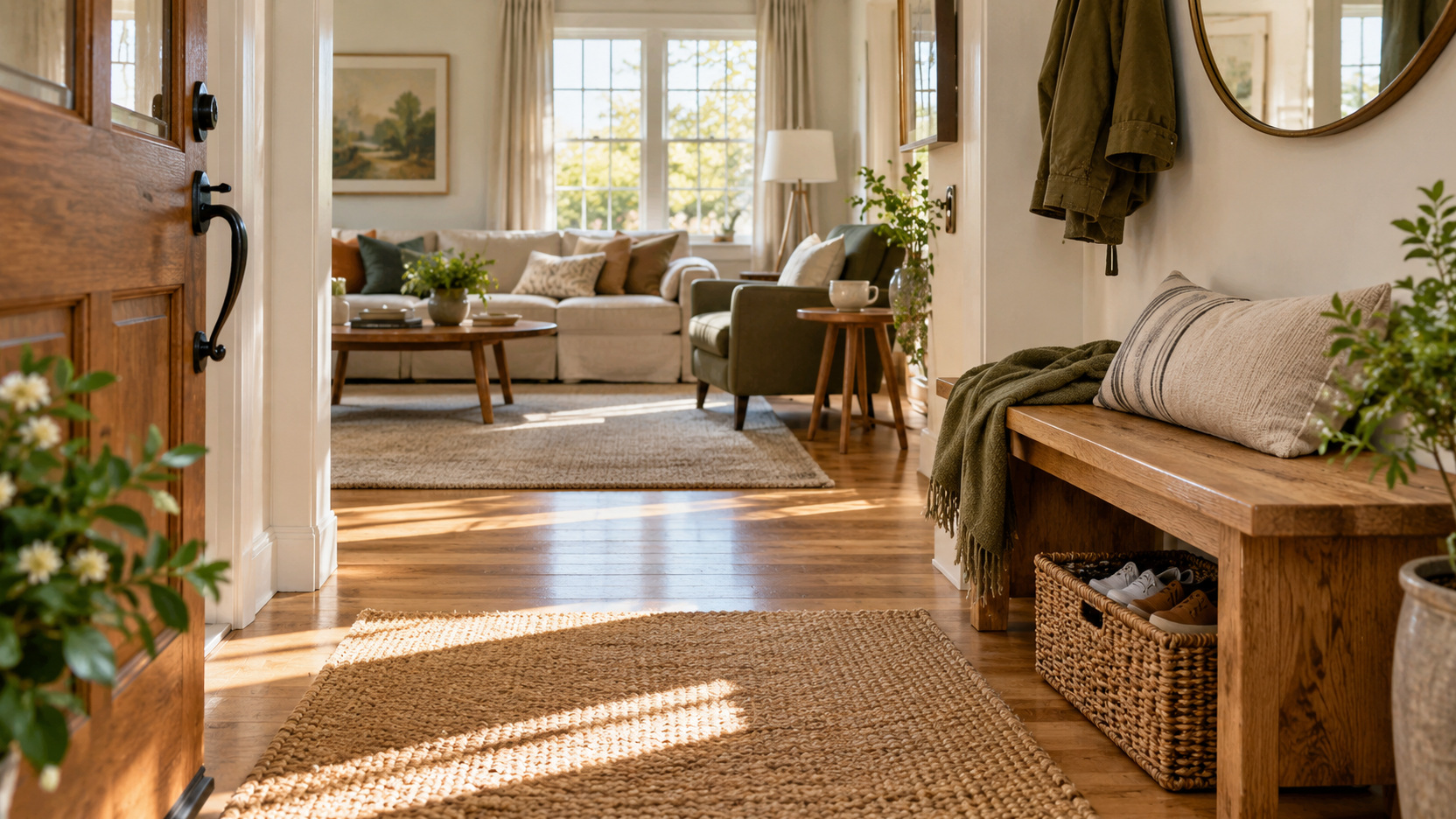
Useful protection belongs close to the activity it supports. A coaster stored across the room is unlikely to help the table beside the sofa. An entry surface needs an obvious place for damp objects before they land on unsuitable furniture. Think in terms of reachable, attractive habits rather than a long list of rules attached to every finish.
Choose protective accessories that suit both contact surfaces and follow the furniture and flooring guidance. Pads, trays, and mats are not interchangeable guarantees against damage. Their undersides, collected debris, and condition deserve attention over time. Check that an accessory is helping rather than concealing a recurring problem beneath it.
Avoid making a carefully arranged room so fragile that normal use becomes stressful. Protection should reduce repeated wear while allowing the room to function. If a routine requires several inconvenient steps, simplify the arrangement or reconsider the material at that spot. The most useful precaution is often the one people can adopt without thinking about it.
Give Frequently Handled Objects a Nearby Home
Storage lasts longer as a solution when it follows the sequence of use. Put the things needed together within convenient reach of the activity, then provide a return location that is just as easy. A deep cupboard may offer substantial capacity but still fail for objects that are retrieved several times a day. Accessible storage can reduce piles that otherwise spill onto vulnerable surfaces.
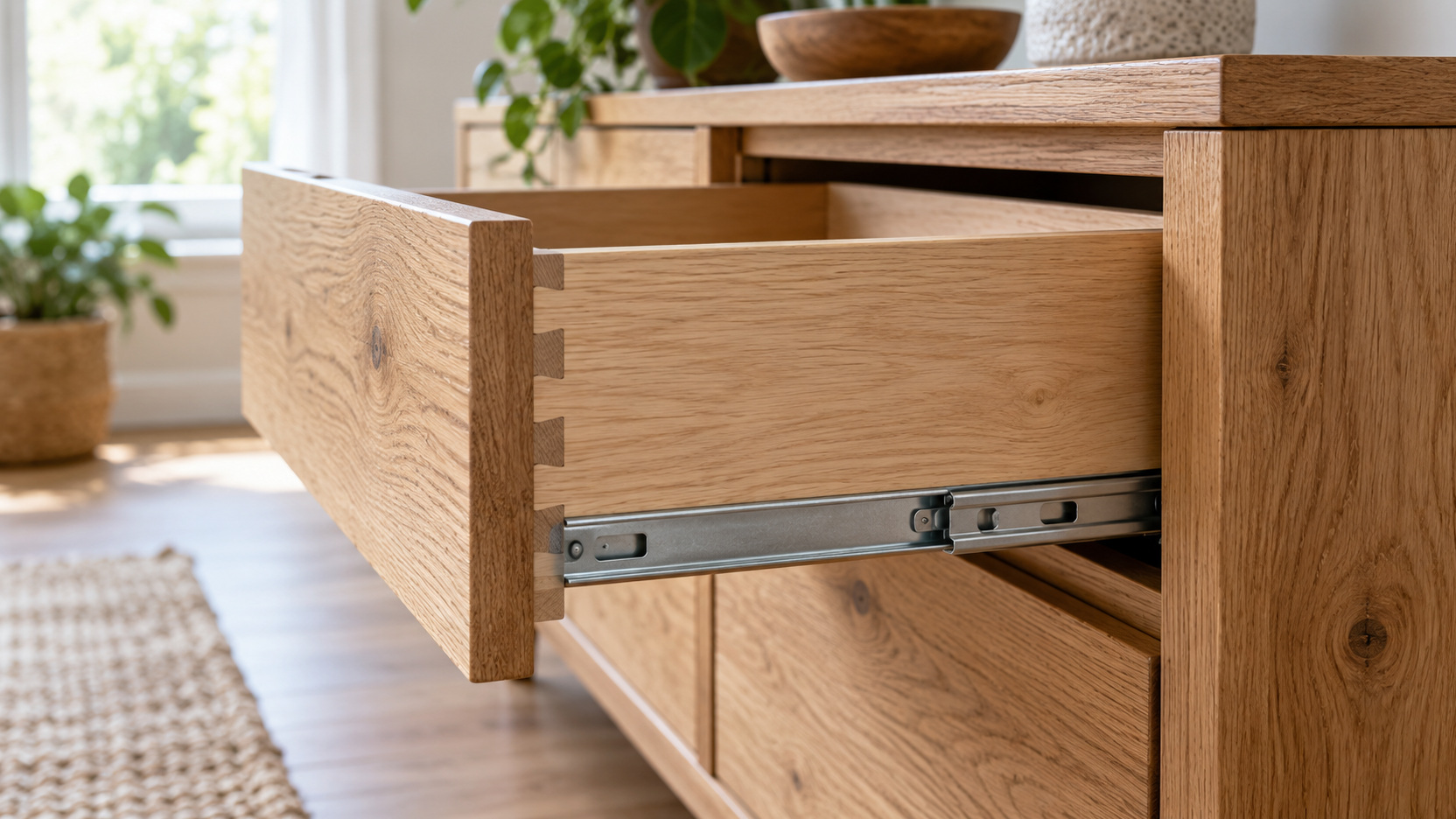
Keep daily storage separate from occasional overflow when possible. That allows a frequently used drawer to open without shifting unrelated supplies and keeps shelves from becoming improvised sorting stations. Follow the product’s loading and assembly instructions rather than treating any empty space as available capacity. Stable, usable organization depends on the actual furniture as well as your plan for its contents.
Plan for Components That May Need Attention
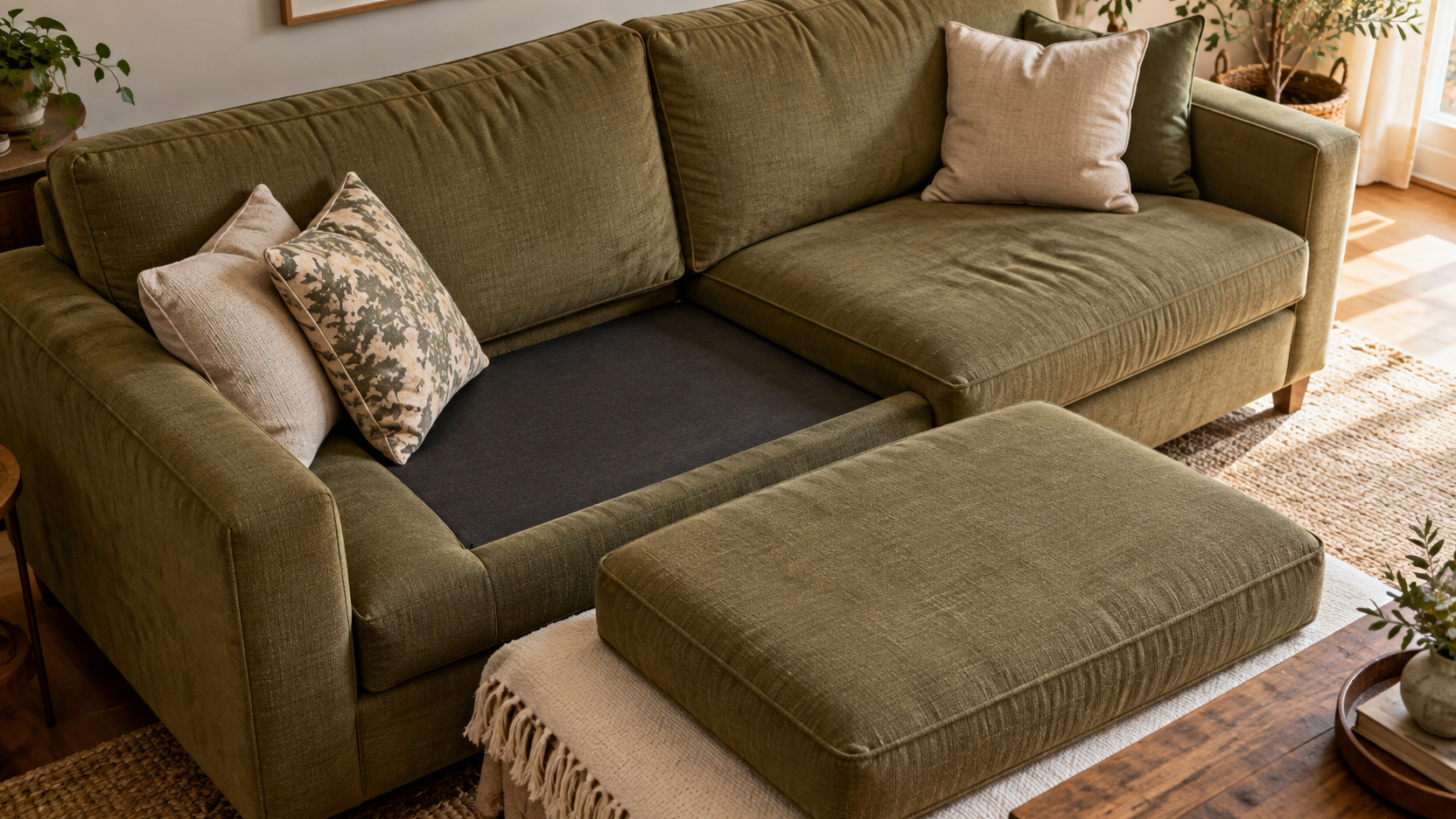
Ask which parts can be adjusted, maintained, or replaced, and who would handle that work. A removable cover, replaceable cushion, or available drawer component can make continued use more realistic, but the exact model and service route matter. IKEA’s care and repair information describes spare parts and removable washable covers as ways to support ongoing use. Confirm availability for the item you are considering rather than assuming every component qualifies.
Store product identification and instructions somewhere you can find later. A photograph of a collection name may not identify the supplied hinge, finish, or seating configuration. Keep the order details and any relevant component information with the care guidance. This small administrative step turns a future repair search into a more focused request.
Think about whether future work can happen without dismantling the entire room. An accessible drawer, movable side table, and sensible clearance can make inspection easier. Serviceability is part of layout, not just a feature hidden inside a product listing. Leave a practical way to reach the things that may eventually need attention.
Let the Room Accommodate Changing Routines
A durable arrangement should have some room to change when household activities change. A reading corner might later need a homework surface, or a seldom-used cabinet might become everyday storage. Choose movable pieces where flexibility has a clear purpose and avoid fixing everything into one narrow scenario. Keep assembly and handling requirements in mind before assuming a piece can be repeatedly relocated without consequence.
Evaluate the Cleaning Route as a Design Feature
Imagine cleaning the finished room with the tools you actually use. Can you reach under the seating, wipe a tabletop without shifting several heavy objects, and remove dust from the shelving? A small clearance can look neat while creating an awkward trap for debris. Access should be checked at the planning stage, when changing a furniture position is straightforward.
Moderate the number of decorative layers in the most heavily used areas. Objects that need moving before every wipe can make timely care less likely, especially around drinks or food. Keep decorative density where it is enjoyable and daily working surfaces where they remain useful. The room can still have personality without turning routine maintenance into a project.
Use the prescribed cleaning method and allow appropriate drying where the product guidance calls for it. Avoid mixing improvised remedies simply because a surface looks durable. Keep a short, accessible record of the actual instructions for unusual finishes. A straightforward maintenance routine should be easy for another household member to understand and carry out.
Review Stability and Assembly Before Styling
Correct assembly and required anchoring deserve attention before decorative details. Follow the supplied instructions for storage furniture, supports, and fittings, and obtain suitable help when the work requires it. The CPSC’s Anchor It guidance explains furniture and television tip-over prevention. Use the applicable product and wall instructions rather than improvising a fastening arrangement.
Observe furniture during intended use after installation. Unexplained movement, a drawer that cannot operate properly, or a support that does not sit as instructed should be clarified with the supplier. Adding decorative accessories will not resolve an underlying fitting issue. Addressing it early preserves a better starting point for the room’s everyday life.
Keep the Everyday Setup Understandable
Make the room easy for visitors and other household members to use without a detailed explanation. An obvious place for a bag or drink reduces the need to find an improvised surface. Storage labels may help inside cupboards, while the room itself can communicate through placement and reach. Watch whether someone unfamiliar with the setup can complete an ordinary task comfortably, then adjust the awkward step rather than blaming them for missing the intended routine.
Share only the care details that materially affect everyday handling. If a particular surface needs an approved tray or a specific cleaning method, keep that information where it will be useful. A long collection of instructions is harder to remember than a few clear habits tied to real activities. The room’s arrangement should carry much of the work, with simple guidance supporting the details that placement alone cannot solve.
Check whether daily objects have competing destinations. Two convenient landing spots can work, but a crowded surface may signal that neither one serves the full routine. Clarify the placement through observation rather than adding storage indiscriminately. The best adjustment responds to the actual point where the activity becomes inconvenient.
Keep the arrangement understandable when temporary items arrive. A guest bag or a delivery parcel should not block the only walking route. Provide a practical short-term location if those arrivals happen regularly. This small allowance helps the room remain useful between its tidiest moments.
Choose the Changes With the Greatest Daily Benefit
You do not need to replace every item to make a room more resilient. Begin with the repeated problem that causes the most inconvenience: blocked movement, an unsuitable landing spot, inaccessible storage, or a care routine that never happens. Make one targeted change and watch how it works during ordinary use. That gives you better evidence for the next decision than a complete overhaul based only on appearance.
When a new purchase is necessary, connect it to a specific task and exposure. Write down its intended job, the conditions it must tolerate, the care you can provide, and the support available if something wears. Then compare options using those conditions instead of vague promises of premium quality. A clear brief can reveal when a modest piece fits your needs as well as an expensive alternative.
Finish by checking the whole arrangement rather than evaluating products in isolation. The durable room is the one whose surfaces, operating clearances, storage, support, and upkeep work together through a real week. Keep useful product records and revisit the layout when household routines shift. A space designed around everyday life can remain welcoming while handling the activity that gives it purpose.