Decide What a Repair Would Actually Save
The useful repair-or-replace decision starts with a specific result, not an attachment to the original price tag. A repaired dining chair might return to comfortable everyday use, while a freshly upholstered sofa could remain too deep for the people who sit on it. Damage, construction, service options, sentimental value, and practical fit all deserve a place in the comparison. Before shopping or booking work, define what you want the furniture to do afterward and identify which problems stand in the way. That makes it possible to compare a repair with a replacement on the same terms and avoid paying for an attractive improvement that leaves the main inconvenience unresolved.
Describe the Problem Before Choosing the Solution
Begin with observations you can explain plainly. A drawer rubs near one corner, a tabletop has a damaged finish, or a seat has changed shape. Include when the change appeared and whether it is getting worse. These details help a supplier or repair professional understand the job more reliably than a general statement that the furniture is worn out.
Separate appearance from operation and support. A finish blemish may leave everyday function intact, while unexpected movement can require assessment before continued use. Do not assume a cosmetic treatment will address an operating problem. When stability or support is concerning, avoid using the affected furniture until a suitable professional or the maker has clarified the issue.
Identify the exact product whenever possible. Order records, labels, assembly instructions, and photographs can distinguish similar-looking models with different components. A hardware request needs more than the collection’s general style. Collecting this information first can prevent time being spent pricing a part that does not fit your furniture.
Confirm That the Piece Still Has a Job
Ask whether you would choose to use this furniture after a successful repair. Consider size, access, seating comfort, storage capacity, and how it fits the room’s current arrangement. A piece can be worth preserving for reasons beyond daily function, but those reasons should be stated honestly. Otherwise, repair money may go toward an item that continues to occupy space without solving a household need.
Think about a different role before dismissing a sound piece. A table unsuitable for daily dining might work in a less demanding location if its condition and intended use allow it. A cabinet might become useful after its contents are reorganized. Changing a role should be practical, with appropriate support and assembly maintained, rather than a way to postpone an unresolved problem.
Locate the Damage Within the Construction
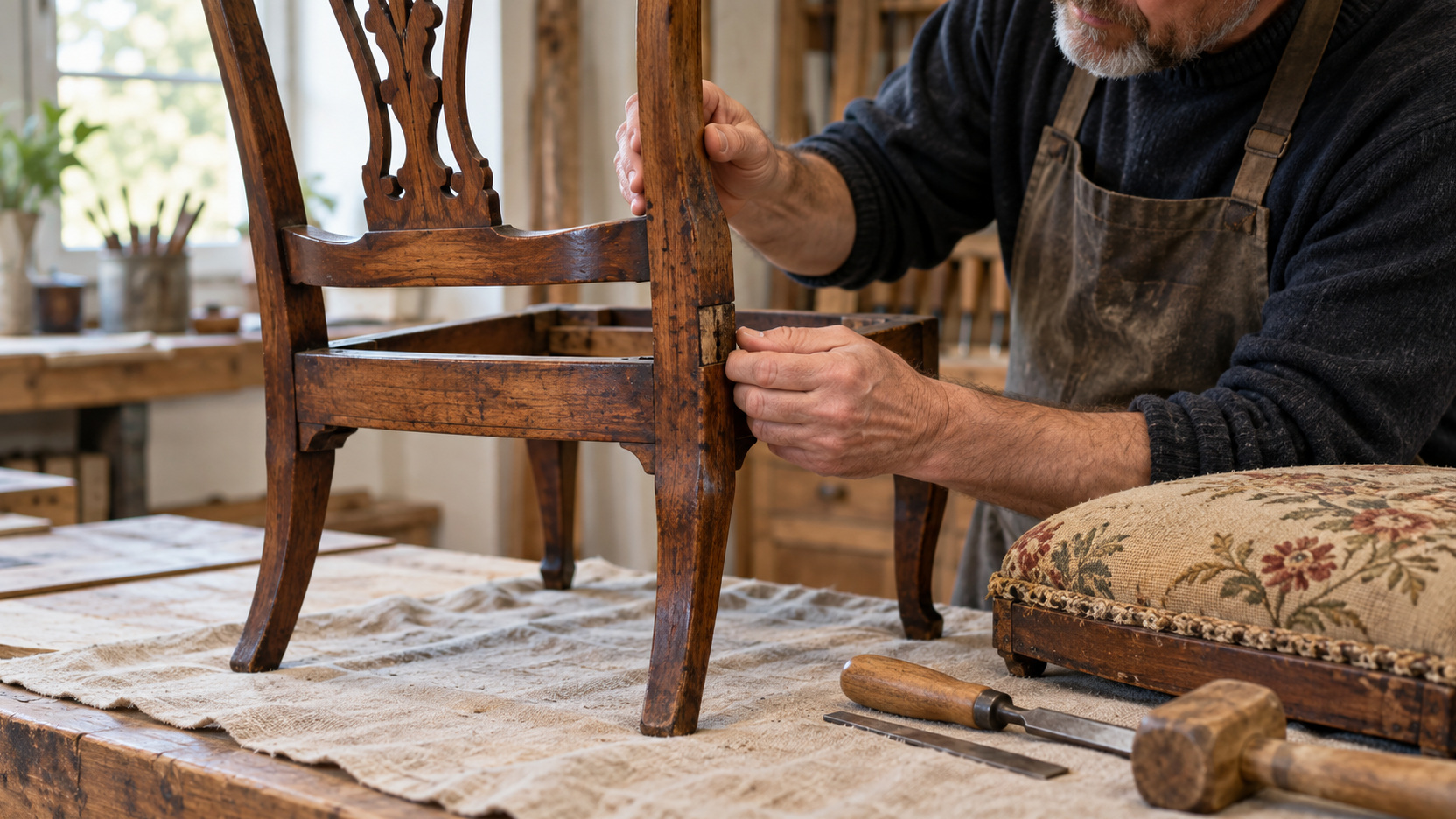
The location and extent of damage influence whether a limited repair makes sense. A replaceable handle presents a different project from damage around the connection that holds a loaded panel. A finish problem confined to one small area can still require broader work for a consistent appearance. Ask the repair professional to explain the affected parts and the access needed to reach them.
Do not infer repairability from a single material label. Solid wood, veneer, plywood, and other components appear in many different assemblies, and their condition matters. A thin decorative surface can complicate refinishing even when the furniture looks substantial. The correct method depends on the actual build and finish, not on a general belief that one category is always worth restoring.
Avoid dismantling a piece to inspect it unless the product instructions permit that process and you can do it correctly. Some damage is only apparent after professional access, and a quotation may need to account for that uncertainty. Ask how additional findings would be reported and approved. A clear inspection stage can prevent an open-ended project from growing without your understanding.
Get a Written Scope That Matches the Desired Outcome
A useful proposal states what will be repaired, what materials or components will be supplied, and what result is expected. It should identify whether finish matching, upholstery, structural work, and delivery are included. Ask what will remain visibly aged or unchanged. This detail allows a repair quote to be compared with the usable result you actually want.
Agree on how decisions will be recorded if the scope changes after inspection. A photograph or description of a newly exposed fault should accompany an explanation of the proposed response and its cost. Ask whether pausing the work creates any handling or storage charge. This arrangement protects the usefulness of the initial comparison by keeping additional work visible, instead of allowing a limited project to become a much larger one without a clear decision point.
Check the Parts Route Before Assuming Availability
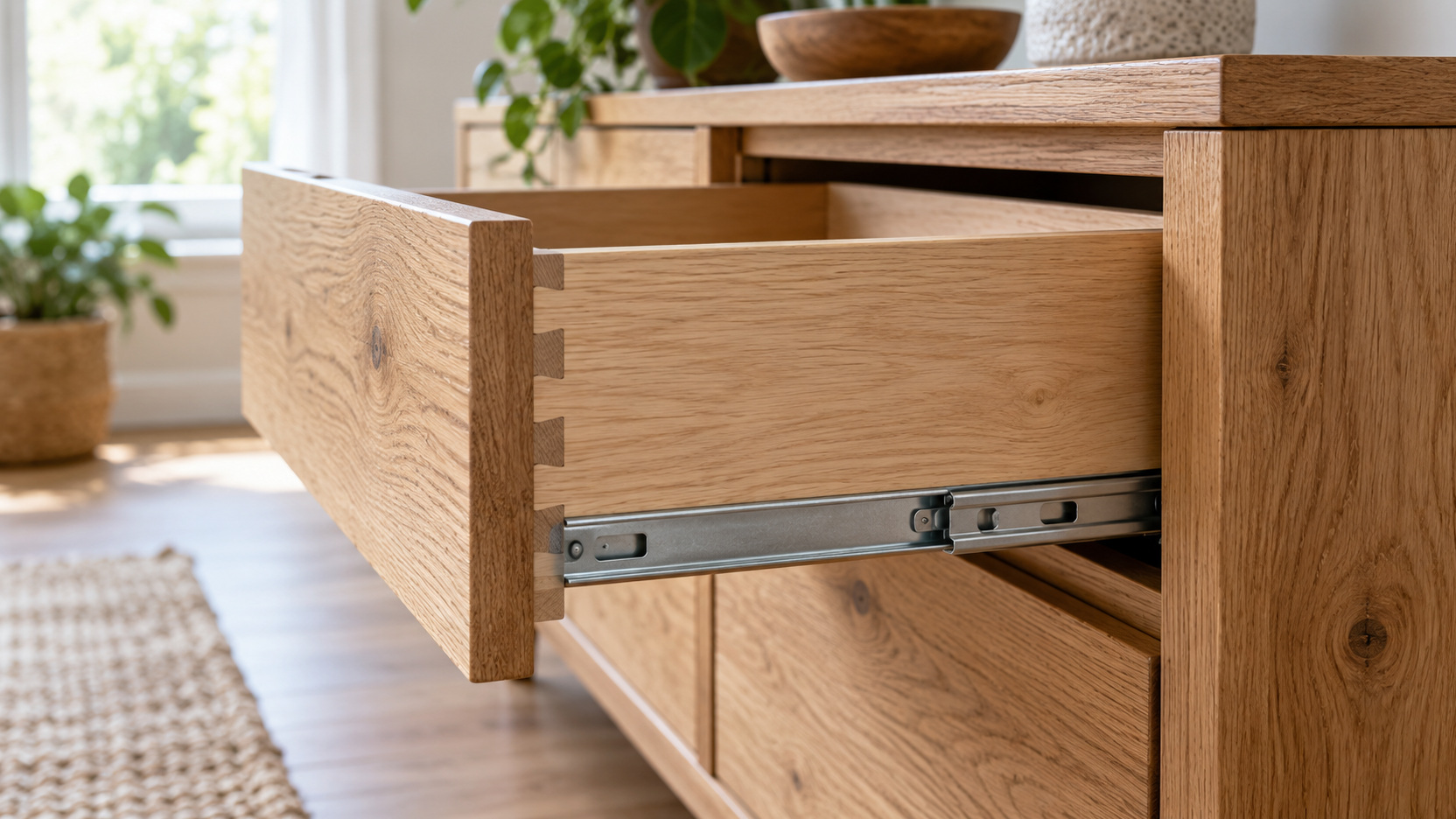
Contact the maker or original retailer about component availability, compatibility, and any instructions that accompany the part. A drawer runner that looks familiar may still have different mounting requirements. A replacement cover needs the correct model and configuration. Do not treat a spare-parts service as proof that every component will be available indefinitely.
For example, IKEA’s spare-parts information provides a route for finding certain replacement items. The useful step is to identify the supplied furniture and the needed part through the applicable service. Confirm its availability and fitting requirements before basing a repair plan on it. A realistic supply route is more valuable than a theoretical possibility.
If a professional proposes a substitute component, ask how compatibility and performance will be established. Clarify whether the change affects the manufacturer’s guidance or other connected parts. The lowest-priced replacement is not automatically the correct repair. You need a method that addresses the identified problem in the actual assembly.
Set an Appearance Expectation You Can Accept
Repair does not always mean a return to a factory-new appearance. Existing finish variation, fading, and material aging can influence how new work blends with the old. Ask to see relevant examples and discuss what a local repair would look like in the room’s light. A small area may be functional after work while still remaining visible.
Reupholstery and refinishing also involve design decisions. Choose materials whose care and use requirements fit the household rather than selecting only for an attractive sample. Ask whether seams, details, and dimensions will change through the proposed method. A successful project should have an agreed visual outcome as well as a working piece of furniture.
Compare the Complete Cost of Each Route
Include assessment, collection, delivery, component sourcing, and temporary arrangements in the repair total. Ask whether the quote is fixed for the described scope and how unforeseen work would be handled. A replacement comparison needs the same care: delivery, assembly, necessary accessories, and disposal or relocation of the old piece can add to the listed price. Comparing complete routes keeps a deceptively small starting figure from deciding the purchase.
Give Sentimental Value Its Own Place
A family piece may be worth keeping even when repair costs exceed the price of ordinary new furniture. That is a valid reason to proceed if the scope, condition, and budget are understood. Separate the value of preserving the object from a claim that repair is financially cheaper. Doing so makes the decision clearer for everyone contributing to the project.
Discuss which characteristics need to be retained. Original proportions, visible wood, distinctive hardware, or a familiar fabric detail may matter more than making every surface look new. A restorer can only respect those priorities if they are explained before work begins. Preserve photographs and agree on proposed alterations when the identity of the piece is important.
For an object that may have significant historic or collectible value, seek an appropriately qualified assessment before refinishing or replacing original parts. An irreversible cosmetic change should not be the first step in an uncertain evaluation. Ordinary repair shops and specialist conservation services may approach the job differently. Choose a service whose expertise matches what you are trying to preserve.
Understand When Further Spending Has Limited Benefit
Several unresolved problems can make a narrow repair less useful than it first appears. New cushion inserts will not change a sofa’s depth, and new drawer hardware will not increase a cabinet’s capacity. List the improvements that remain outside the proposed scope. If those limitations still prevent the furniture from serving its intended role, replacement may offer a more coherent result.
Uncertain support or extensive damage also deserves a realistic assessment. Avoid extending a project merely because money has already been spent on it. Ask whether the proposed work can produce dependable function and whether further components are likely to need attention. The decision should use the remaining options, not the desire to recover a past purchase price.
Consider the Time and Access the Project Requires
Repair can mean arranging collection, living without the furniture, and making space for returned pieces. Confirm timing and access requirements before choosing a method. A large cabinet may need special handling, and a reupholstery project may leave the main sitting area without seating. Practical disruption belongs in the choice alongside money and appearance.
Coordinate other room changes around the work instead of treating them as unrelated tasks. If flooring or decorating is already planned, the timing may affect collection and reinstallation. Check any required assembly or anchoring after the furniture is returned to its location. A repaired piece still needs to be installed correctly for its next period of use.
Keep the repair provider’s instructions and contact information. Ask what should be checked after delivery and how to report a concern about the completed work. Photographs can document the agreed outcome, but they do not replace ordinary operation checks. Test the relevant function appropriately while any service follow-up is straightforward.
Keep a Serviceable Piece in Use Responsibly
Check the receiving room before a repaired piece returns. Clear the required access route and confirm where the furniture will be installed, including any operating space needed for drawers or seating. If the project involved a changed component or dimension, compare the completed setup with the agreed specification. This final preparation ensures that the restored object has a useful place immediately, instead of returning to the same awkward arrangement that reduced its value before the work.
If you choose replacement, consider whether the old furniture is suitable for another household, a reuse organization, or another role. Describe its condition honestly and disclose known issues. A piece with unresolved support or safety concerns should not be presented as ready for ordinary use. Local acceptance rules and collection options can vary, so confirm the actual route before arranging transfer.
If you choose repair, adjust the routine that contributed to the problem when that cause is known. The IKEA care and repair page connects ongoing care with ways to keep products in use. Apply the specific guidance for your furniture and repaired materials. A repair should be followed by a manageable care plan that helps protect its result.
The strongest decision is the one you can describe in a sentence: this work restores a function we need at a cost and appearance we accept, or a replacement solves needs the repair cannot address. Keep the written scope and complete comparison with your records. That clarity makes the project easier to manage and the outcome easier to judge. Saving furniture is worthwhile when you know what you are saving it for.