
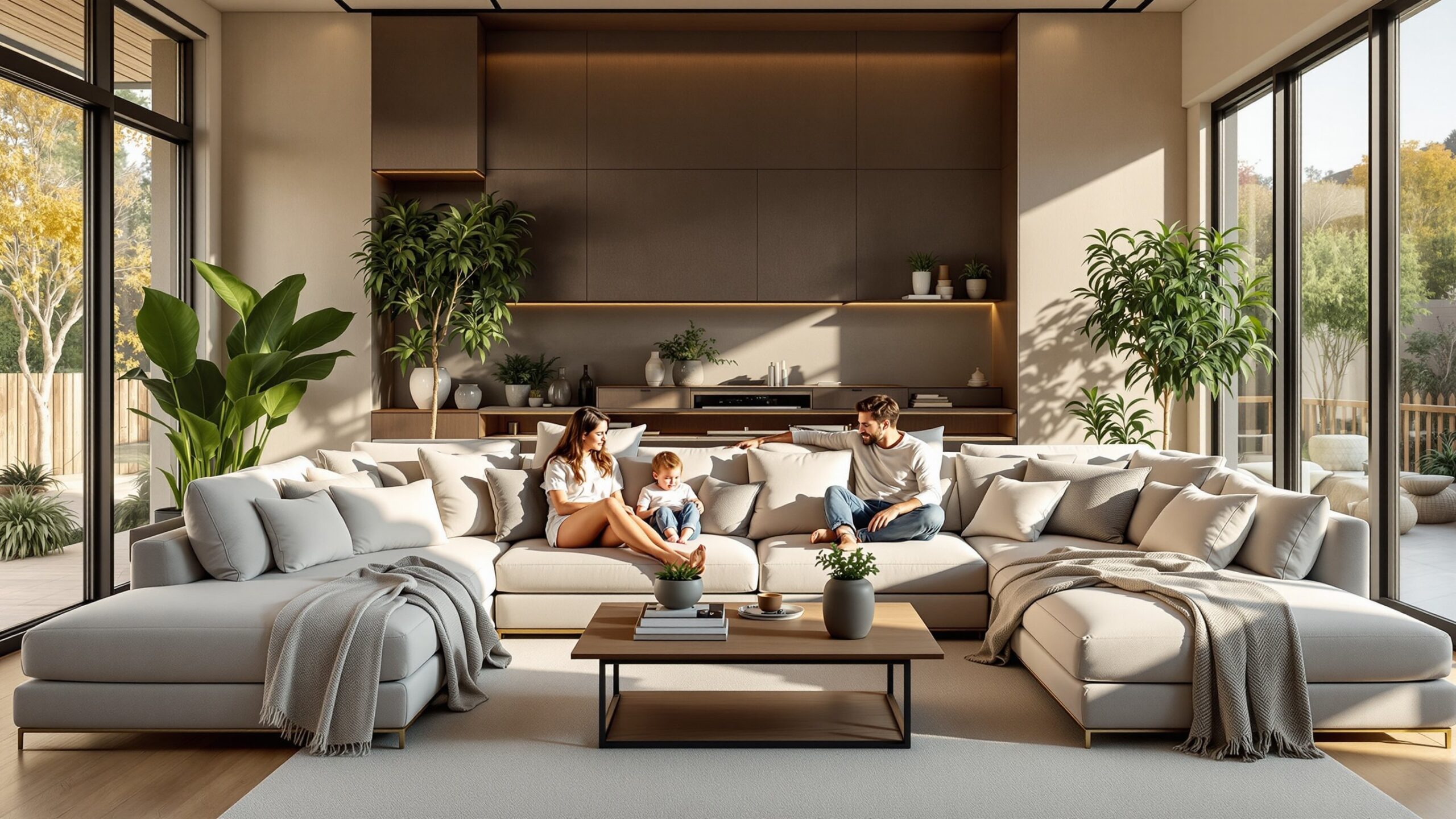
Comfort is the quiet hero of every great family room. It’s the subtle science behind why a sofa feels inviting after a long day, why a favorite chair becomes the most popular seat in the house, and why some living spaces simply feel better to spend time in. Welcome to the world of Comfort Ergonomics—where thoughtful design meets the natural way people sit, relax, stretch, and gather. In a modern family room, comfort isn’t just about plush cushions. It’s about smart proportions, supportive seating angles, well-placed armrests, and furniture layouts that encourage both relaxation and connection. Ergonomic design considers how bodies move and rest, helping reduce fatigue while making everyday moments—movie nights, conversations, reading, or simply unwinding—feel effortless. On this page, you’ll discover articles that explore the details that transform ordinary living rooms into comfort-focused retreats. From choosing the right sofa depth and seat height to arranging furniture for better posture and flow, these guides reveal how ergonomics can elevate both style and well-being. Because when comfort is designed intentionally, the family room becomes more than just a place to sit—it becomes the place everyone naturally wants to be.
A: If your feet don’t reach the floor or you’re always adding pillows behind you, it’s likely too deep for daily use.
A: Add a firmer lumbar pillow and a footrest—those two changes often reduce slouching fast.
A: Lower is usually better—aim for a neutral neck so you’re not tipping your chin upward.
A: Generally around seat height or slightly lower so you can reach without rounding your shoulders.
A: Use layered lighting and window treatments; angle screens away from direct window reflections.
A: Not always, but if you sink deeply and struggle to get up, you’ll likely feel more fatigue over time.
A: Keep essentials within reach (table, lamp, outlet) and pathways clear so you move naturally.
A: Add adjustable pieces—ottomans, movable pillows, and lightweight tables that slide closer.
A: Use a supportive chair, a footrest, and a lamp that lights the page without glare.
A: If people constantly shift, perch, or complain of neck/shoulder tightness, the support/reach/sightlines likely need tweaks.