
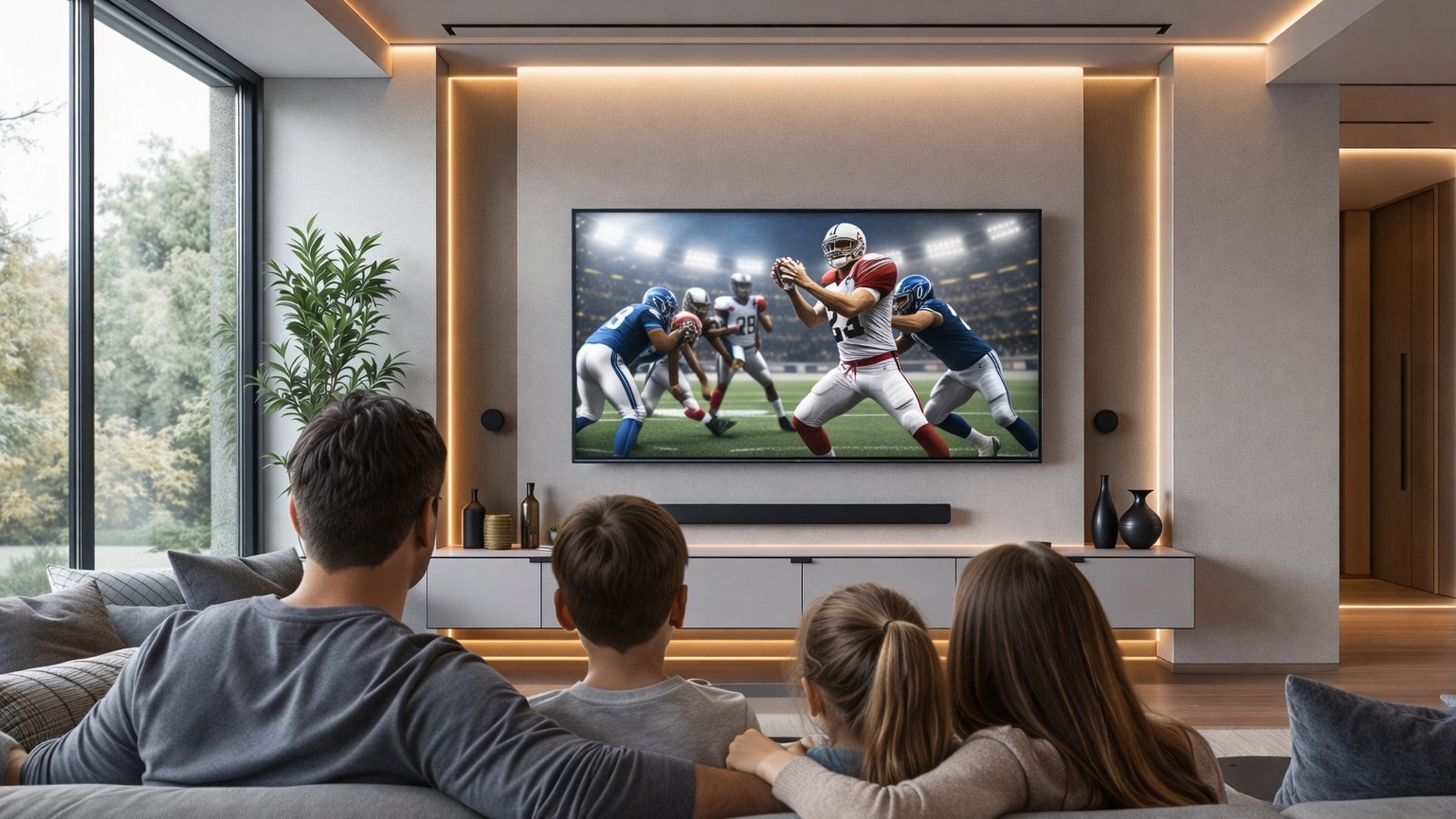
Behind every beautiful family room is a secret most people never notice—the technology quietly powering it all. TVs, streaming devices, soundbars, game consoles, smart lighting, and charging stations all bring entertainment to life, but without thoughtful planning, the cables and gadgets behind them can quickly create clutter. That’s where Cable Management & Hidden Tech comes in. This section of Family Room Streets explores the smart design strategies that transform messy wires and visible tech into clean, seamless living spaces. From wall-mounted cable channels and in-wall wiring solutions to furniture with built-in charging hubs, hidden compartments, and smart power management, today’s family rooms can look effortlessly stylish while still being fully connected. You’ll discover clever ways to conceal cords, organize media equipment, and design entertainment zones that feel calm instead of chaotic. Whether you’re setting up a streaming-ready TV wall, designing a gaming-friendly lounge, or simply trying to hide a jungle of cords behind your media console, these guides help you balance technology with beautiful living room design. Because in the best family rooms, the technology disappears—leaving comfort, style, and great entertainment front and center.
A: Use a paintable raceway or an in-wall cord management kit for the cleanest look.
A: You can conceal it partially, but it still needs airflow and decent signal access.
A: Yes, especially for hiding bulky power strips, adapters, and extra cord length near media furniture.
A: Use a drawer, basket, or dedicated tray with cord cutouts and short cables.
A: Not always; some wired solutions perform better and simply need smarter concealment.
A: Yes, but only if there is enough ventilation and remote signals can still work.
A: Run them through raceways, behind baseboards, under rugs safely, or inside walls when appropriate.
A: Group tech by activity zone so cords stay organized around TV, gaming, reading, and charging areas.
A: Yes, matching cords and covers to walls or furniture makes them far less noticeable.
A: Over-hiding everything so access, ventilation, and everyday convenience are lost.