
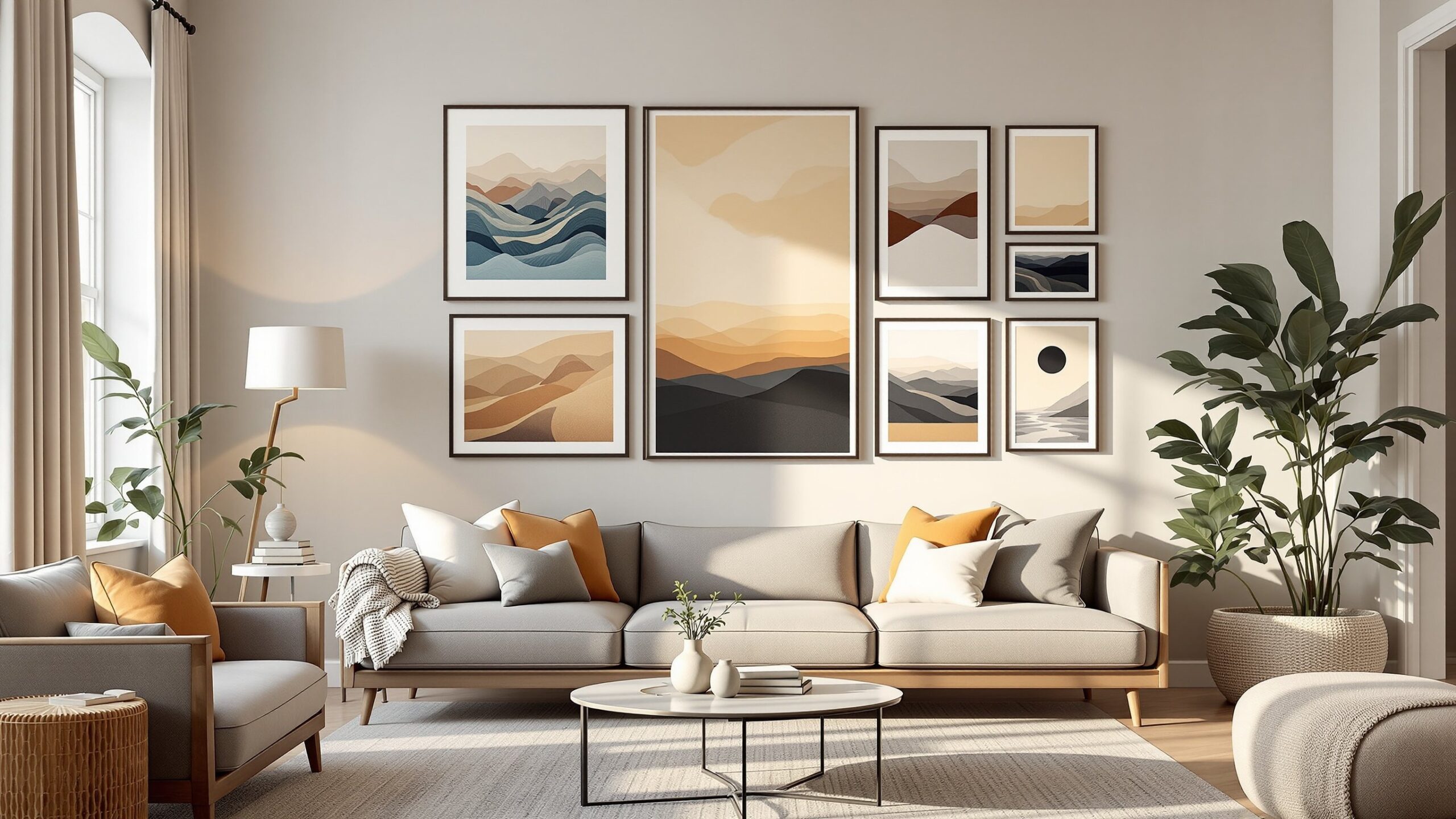
Color-Focused Galleries is where family rooms come alive through the power of color. This curated space on Family Room Streets celebrates how thoughtfully chosen palettes can transform everyday living areas into expressive, welcoming, and personality-filled environments. From soothing neutrals that create calm and balance to bold statement hues that energize and inspire, these galleries showcase real-world color stories designed for how families actually live. Each gallery explores color in action—layered on walls, woven through furniture, echoed in textiles, and accented through lighting and décor. You’ll discover how warm tones invite connection, cool shades promote relaxation, and unexpected color pairings add depth and modern flair. Whether you’re drawn to soft earth tones, coastal blues, moody charcoals, or playful pops of color, these visual collections are designed to spark ideas and build confidence in your design choices. Color-Focused Galleries isn’t about rules—it’s about inspiration. Browse, compare, and imagine how different palettes can shift the mood of your family room, reflect your lifestyle, and create a space that feels both stylish and deeply personal.
A: Start with your largest item (rug/sofa), pull 2–3 colors from it, then add one accent.
A: A warm greige or soft taupe—enough depth to feel rich, neutral enough to flex with décor.
A: Usually 3–5: one main, one supporting, one accent, plus neutrals and a metal/wood tone.
A: Use them in lower saturation (dusty versions) and balance with warm whites and natural textures.
A: Add lighter textiles, brighter bulbs, mirrors, and a lighter rug—then reassess before repainting.
A: Not exactly—aim for a related tone (same undertone) or a gentle contrast so the sofa stands out.
A: Choose a shared neutral “bridge,” then vary accents by zone (living area vs. dining) for flow.
A: Usually eggshell for walls (wipeable) and satin/semigloss for trim (durable and crisp).
A: Rug + pillows + art—three swaps that instantly change the palette.
A: Limit bright hues to one “hero,” repeat it in small doses, and keep big surfaces more neutral.