
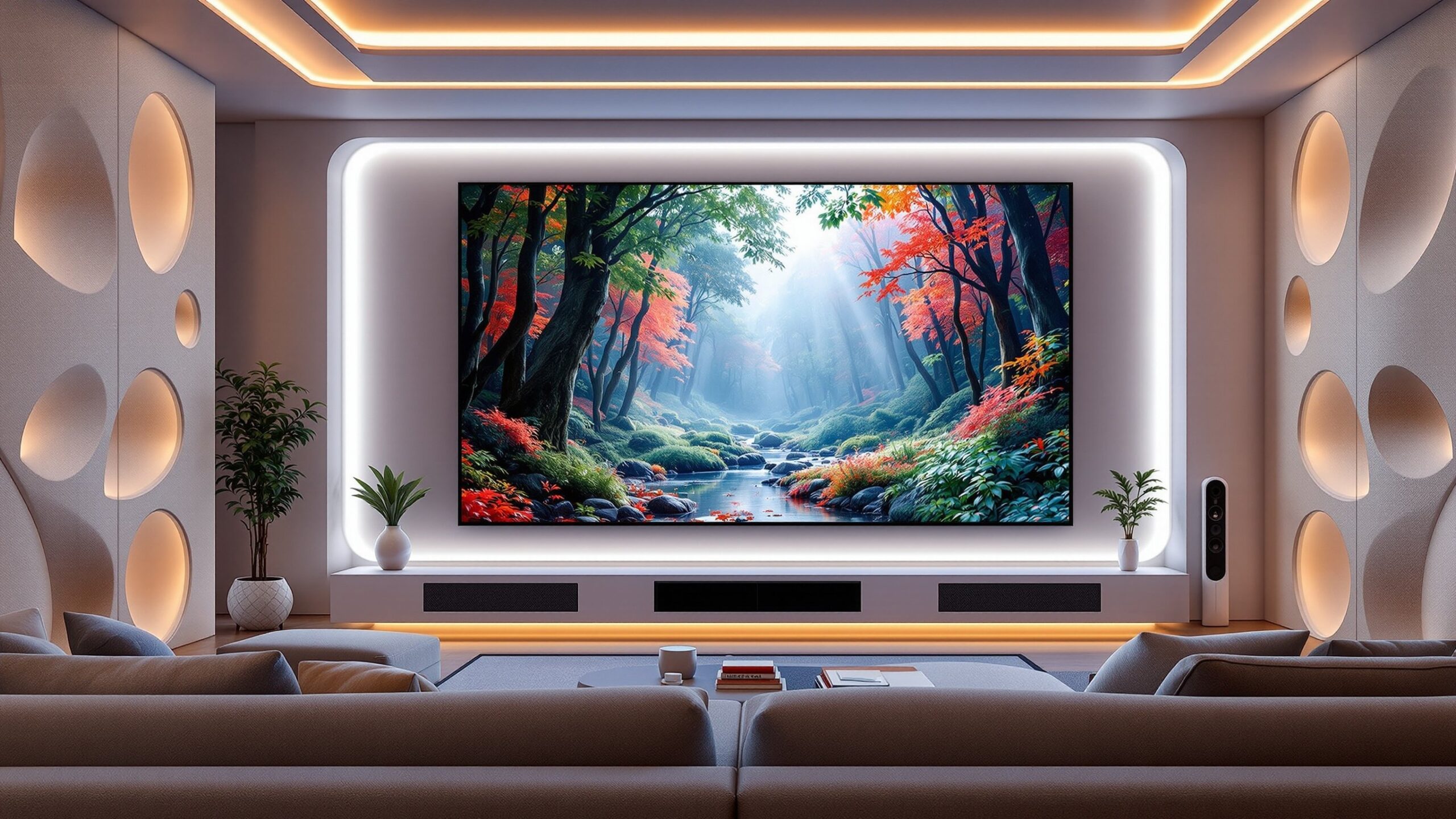
Future-Ready Media Rooms are transforming the modern family room into a dynamic entertainment hub designed for the way families live, relax, and connect today. No longer just a place for a single television, these spaces blend immersive sound, ultra-high-definition screens, flexible seating, and smart home technology to create experiences that feel cinematic, interactive, and effortlessly comfortable. From streaming marathons and live sports watch parties to gaming sessions and movie nights, a thoughtfully designed media room adapts to every moment. In this section of Family Room Streets, we explore how technology and design come together to create media spaces that are not only impressive today but ready for tomorrow’s innovations. You’ll discover ideas for multi-screen layouts, smart lighting that enhances viewing comfort, hidden wiring solutions, acoustic upgrades, and furniture arrangements that make every seat the best seat in the room. Whether you’re planning a high-tech entertainment zone, a cozy cinematic retreat, or a versatile family gathering space, these guides will help you design a media room that feels seamless, stylish, and future-proof—ready to elevate every movie night, game day, and streaming session for years to come.
A: Flexible furniture, hidden wiring, adaptable lighting, smart storage, and a layout that can handle changing technology over time.
A: Not always; in many family rooms, the screen can share focus with built-ins, art, or a fireplace wall.
A: Use blackout curtains, layered shades, careful screen placement, and lower-sheen finishes around the viewing area.
A: Sectionals, deep sofas, swivel chairs, and ottomans usually offer the best mix of comfort and flexibility.
A: No; a well-planned soundbar or simple speaker setup can still deliver a strong experience in many homes.
A: Use media consoles, built-ins, cable channels, wall routing, and storage pieces designed for electronics.
A: Not at all; it can also support gaming, casual gatherings, sports viewing, reading, and everyday family downtime.
A: Soft neutrals, moody tones, and layered textures often work well because they feel cozy and reduce visual harshness.
A: Very important; flexible lighting dramatically improves both screen visibility and the overall atmosphere of the room.
A: Add extra outlets, better cable management, and adaptable storage so the room is ready for whatever tech comes next.