
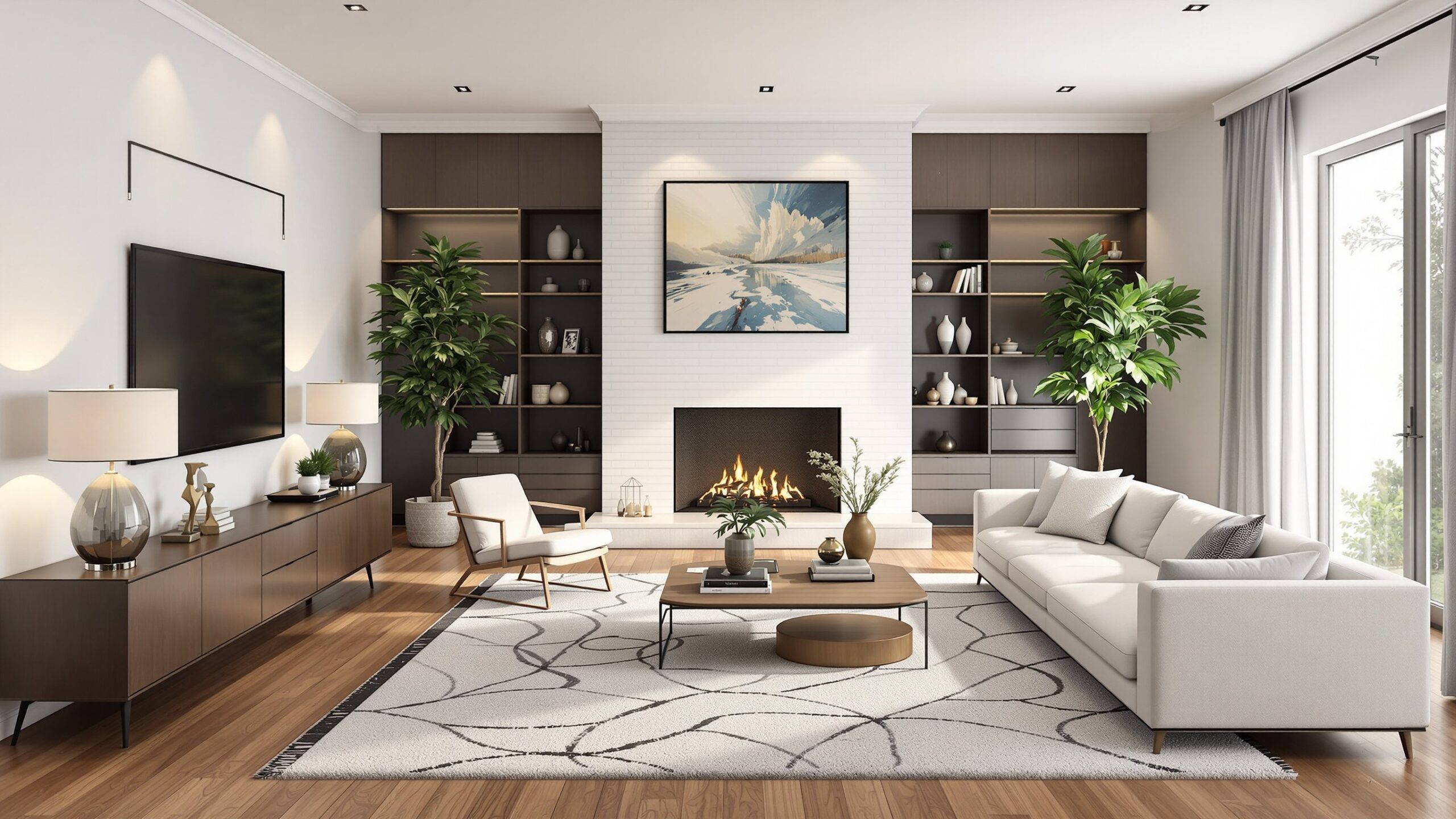
Welcome to Traffic Flow & Walkways, where smart design meets everyday movement. In the Family Room, comfort is only half the story—how people move through the space is what truly defines its success. From the path between the sofa and coffee table to the natural routes connecting doorways, windows, and focal points, thoughtful traffic flow transforms a crowded layout into an inviting experience. This section explores how to design family rooms that feel open, intuitive, and effortlessly livable. Discover how walkway spacing influences conversation zones, how furniture placement shapes movement patterns, and why even a few inches can change the energy of a room. Learn to balance style with function, ensuring that kids, guests, and everyday routines move smoothly without disrupting comfort or aesthetics. Whether you’re redesigning a cozy gathering space or planning a full layout overhaul, our curated guides will help you create rooms that breathe, flow, and welcome everyone in. Because in great design, movement isn’t accidental—it’s intentional.
A: The main traffic route—design the walkway first, then place seating around it.
A: Ideally no; keep the primary path around the seating so the room feels calmer.
A: Shift pieces a few inches, remove one side table, or swap to nesting tables to reopen space.
A: Not at all—floating can improve circulation if it creates clearer lanes around the edges.
A: Round or oval tables reduce sharp corners and make passing feel smoother.
A: Treat it like a corridor: keep a clean lane connecting doors, then build the lounge zone beside it.
A: Often it’s sightlines—tall pieces or visual clutter near paths can make movement feel restricted.
A: Keep sharp corners and breakables off the main path, and create a clear loop around seating.
A: Do a “lap test”—walk the common routes carrying a laundry basket or bag to spot pinch points.