
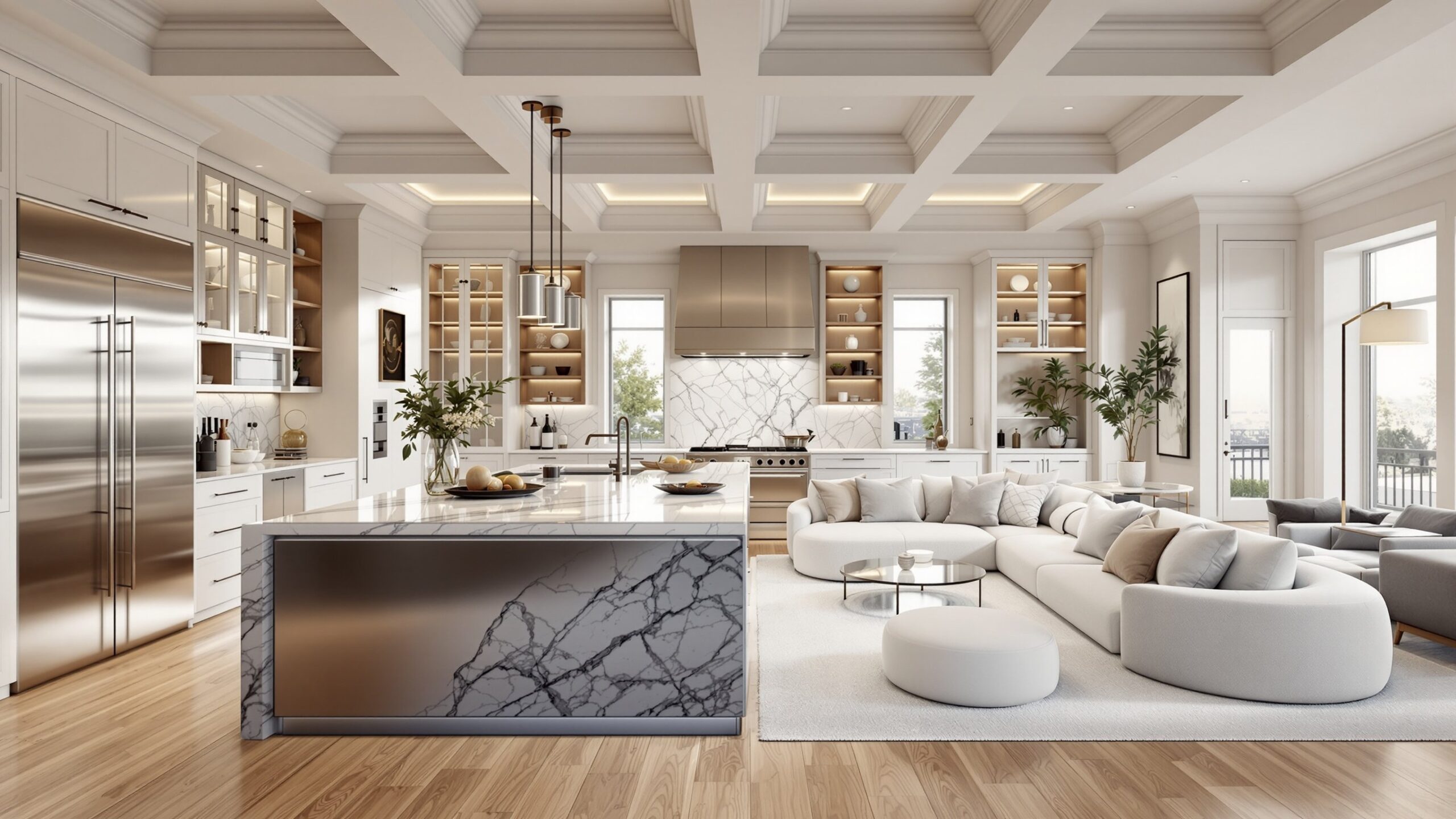
Open-to-Kitchen Transitions are where style meets function and everyday living flows effortlessly from one space to the next. In today’s homes, the family room is no longer a separate retreat—it’s a seamless extension of the kitchen, designed for connection, conversation, and comfort. Whether you’re planning a full remodel or simply refreshing your layout, the way these two spaces interact can dramatically transform how your home looks and feels. On Family Room Streets, we explore the art and strategy behind successful open-to-kitchen transitions. From defining zones without walls to blending cabinetry, flooring, lighting, and ceiling treatments, every detail plays a role in creating harmony. We dive into smart layout ideas, visual continuity techniques, and architectural features that elevate open-concept living beyond the ordinary. Discover how to balance coziness with openness, maintain flow while managing noise and traffic, and design spaces that feel intentional rather than accidental. Whether your style leans modern, rustic, transitional, or classic, the right transition turns two rooms into one beautifully connected experience—perfect for entertaining, relaxing, and living well every day.
A: Use a large rug, sofa-back console, and lighting layers to create a clear “zone.”
A: Keep the main walkway behind the sofa or along one edge, not between sofa and TV.
A: Add a thicker rug pad, curtains, and upholstered pieces; they absorb echo and soften clatter.
A: Leave comfortable clearance so people can pass while someone is seated—no “pinch points.”
A: Not exactly—repeat a few finishes and colors, but let each zone have its own mood.
A: Add a console table, a pair of lamps, or a long art piece to give the view purpose.
A: Prioritize closed storage, trays for “drop zones,” and a quick nightly reset routine.
A: Yes, but keep transitions clean; often a rug is enough without changing hard surfaces.
A: Put kitchen lights on dimmers and add warm lamps in the family room for balance.
A: Coordinate finishes and add intentional “bridge” pieces—stools, a console, and layered lighting.