
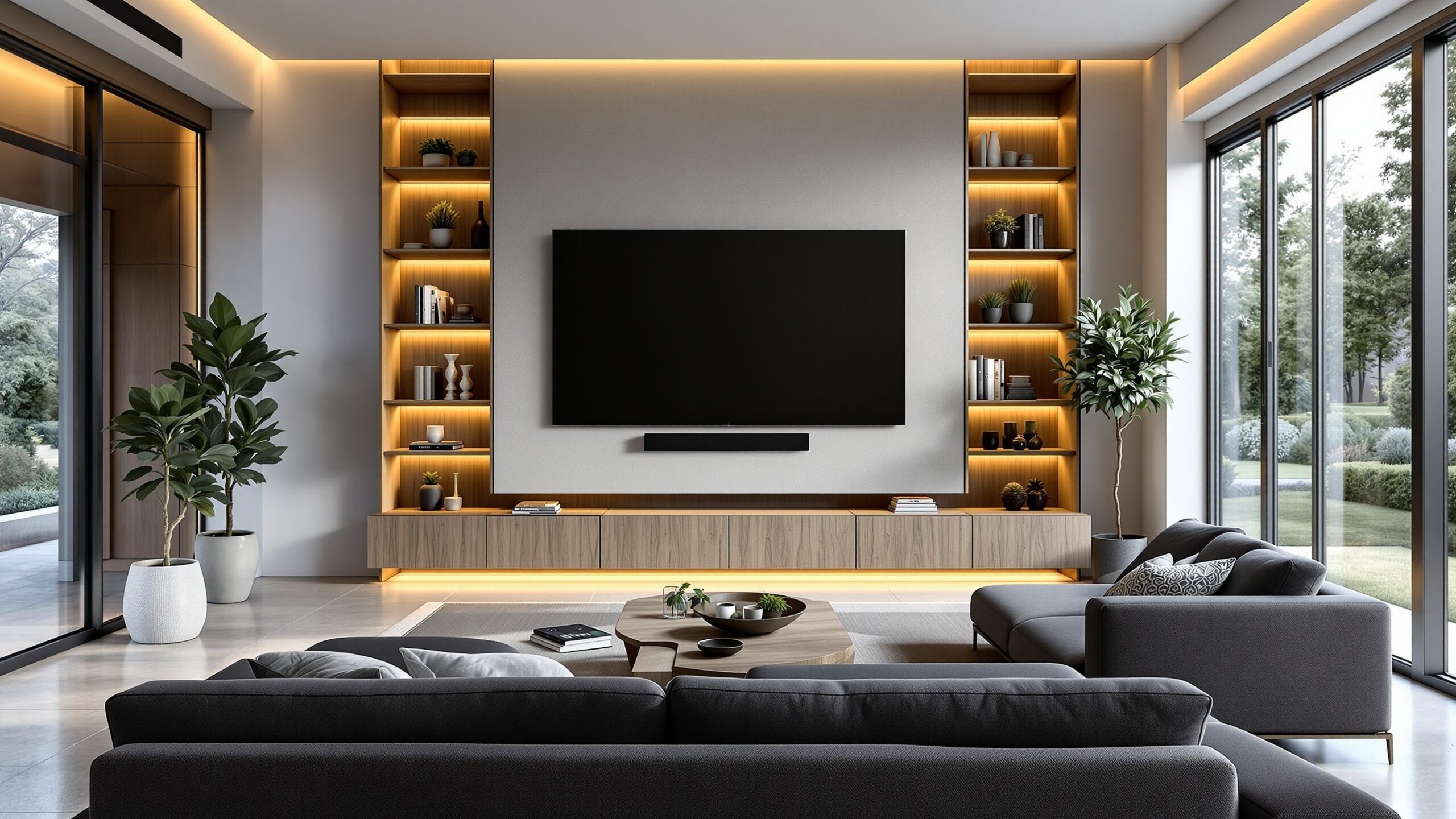
A great family room isn’t just about the size of the TV—it’s about how effortlessly the space brings everyone together. TV Placement & Viewing Comfort is where smart design meets everyday relaxation, helping you transform your living room into a place where movie nights feel immersive, sports feel stadium-worthy, and casual streaming sessions are perfectly comfortable. From choosing the ideal wall for your screen to understanding the science of viewing angles, seating distance, and glare control, this section explores the details that make a huge difference in how your TV experience feels. Proper placement can reduce neck strain, eliminate annoying reflections, and create a balanced layout that works beautifully with your furniture, lighting, and décor. Here on Family Room Streets, you’ll discover ideas, guides, and practical strategies for positioning your TV in a way that enhances both comfort and style. Whether you’re mounting a sleek flat-screen above a fireplace, designing a cozy media wall, or arranging seating for the perfect viewing angle, these articles help you create a setup that looks amazing and feels even better. Because the best viewing experience isn’t just about the screen—it’s about the room built around it.
A: In most family rooms, the center of the screen should land close to seated eye level for the main sofa.
A: It can work visually, but it often raises the screen too high for comfortable everyday viewing.
A: Windows opposite the screen, bright side lighting, and reflective décor are the usual culprits.
A: Not perfectly, but the main seating area should have a natural, comfortable line of sight to the screen.
A: Low media consoles are often ideal because they support better screen height and cleaner proportions.
A: Yes, especially in open-concept rooms or spaces with multiple seating zones.
A: Use balanced furniture, hidden cables, layered lighting, and décor that frames the area without overwhelming it.
A: Absolutely—soft ambient light reduces eye strain and helps the screen feel less harsh at night.
A: Yes, if it overwhelms the wall or forces viewers to sit awkwardly close.
A: Prioritizing dramatic placement over everyday comfort, especially by mounting the TV too high.