
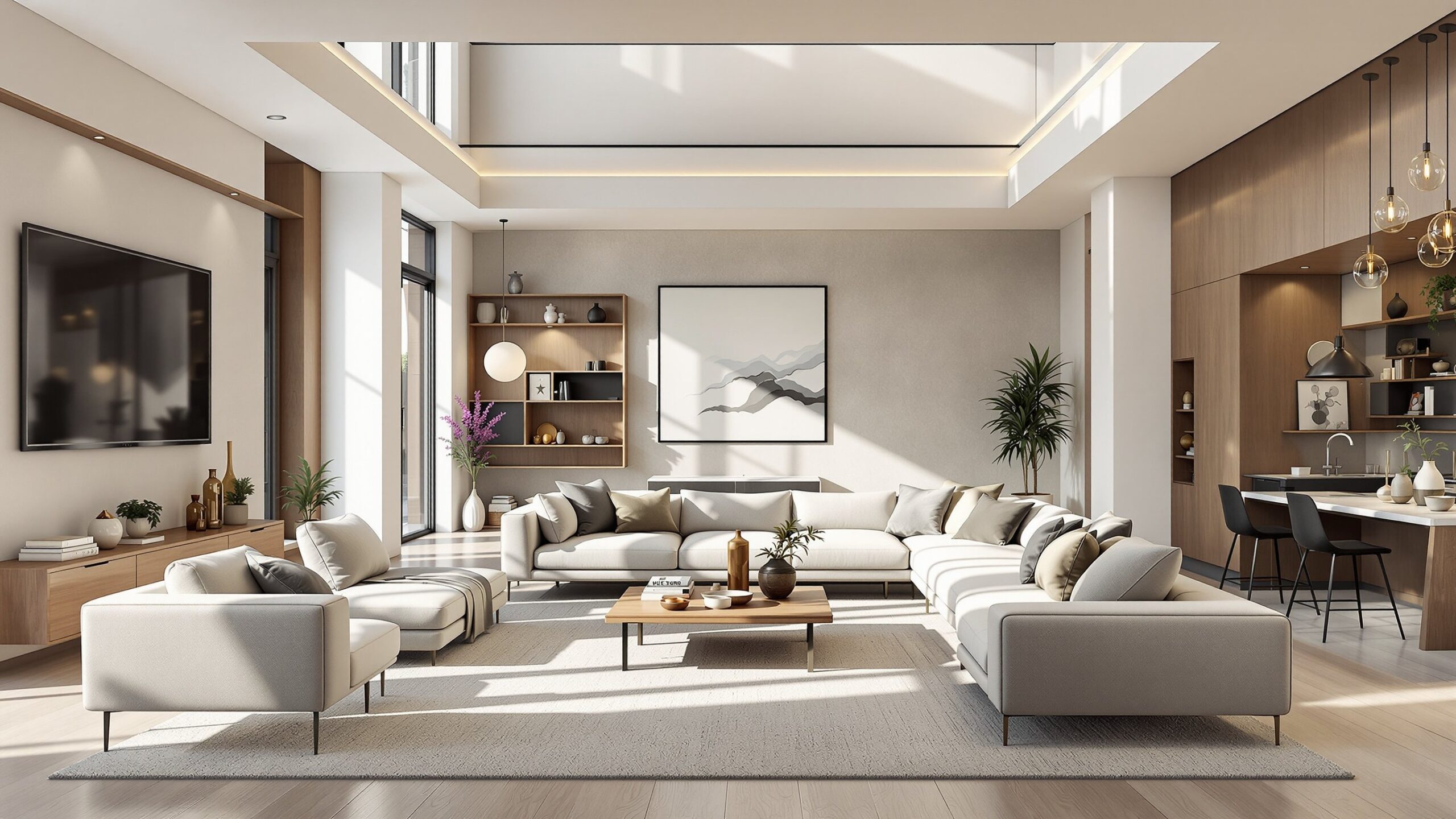
Room Layout Concepts is where smart design meets real-life living. This section of Family Room Streets explores the art of arranging spaces that feel welcoming, functional, and effortlessly comfortable—no matter the size or style of your home. From open-concept family rooms built for connection to cozy layouts that define zones for lounging, entertainment, and conversation, these articles break down how thoughtful placement transforms the way a room feels and works. Here, layout isn’t just about where furniture goes—it’s about flow, balance, and how people actually move, relax, and gather. You’ll discover ideas that help rooms feel larger, seating arrangements that spark conversation, and layout strategies that support everything from movie nights to everyday downtime. Whether you’re working with a sprawling great room, a compact family space, or something in between, Room Layout Concepts offers inspiration grounded in practicality. Designed for homeowners, renters, and design enthusiasts alike, this collection turns floor plans into lived-in spaces. Explore layouts that adapt to changing needs, highlight focal points, and make family rooms feel both stylish and deeply livable—because great rooms start with smart layouts.
A: It depends on screen size, but aim for comfortable viewing without eye strain—test from your main seat.
A: Not always—floating pieces slightly can improve flow and make it feel more intentional.
A: Use a rug to define the seating zone and align furniture to a clear focal point.
A: Use rugs, lighting, and furniture orientation to “frame” each area without adding walls.
A: Choose one as the primary focal point; make the other secondary with angled seating or a different wall.
A: Start with how you live daily, then add flexible seating (ottomans/poufs) for guests.
A: Keep pathways open, use durable fabrics, and create a visible play zone near main seating.
A: Float the seating group inward and define a clear walkway behind it.
A: Center it in the seating area, close enough to reach from the sofa without leaning too far.
A: Reduce small surfaces, add closed storage, and keep only a few larger decor pieces.