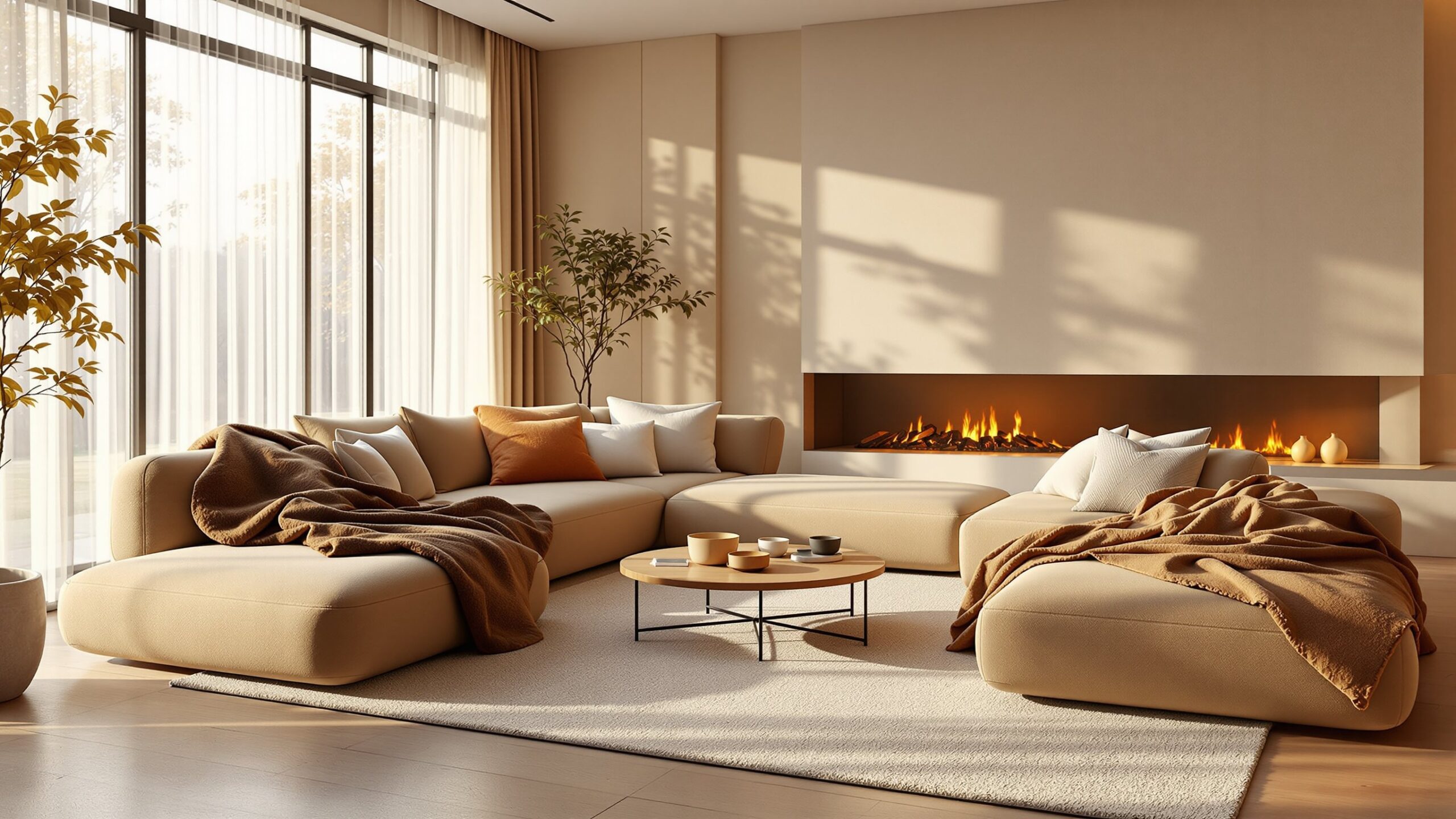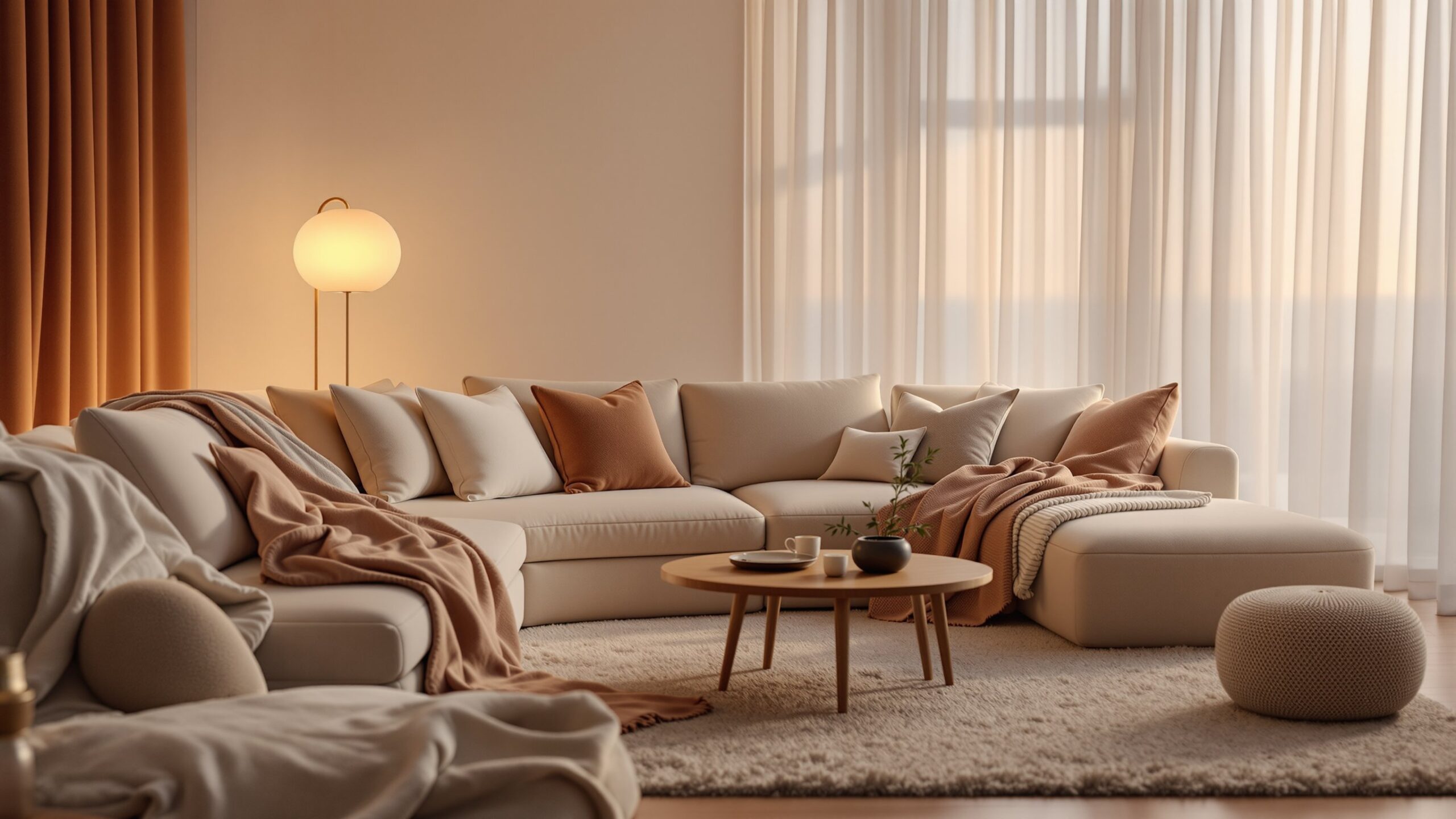
Creating a cozy family room isn’t about expensive renovations or perfectly staged furniture—it’s about crafting a space that feels warm, welcoming, and deeply lived-in. The best designers understand that coziness is both emotional and sensory. It’s how a room looks, how it feels under your fingertips, how the lighting shifts in the evening, and even how sound moves through the space. The good news is that you don’t need weeks or a full redesign to achieve it. With a few strategic adjustments, you can transform your family room into a sanctuary almost instantly. This guide walks you through professional design secrets that bring immediate comfort, elevate style, and make your family room feel like the heart of your home.
A: Add warm lighting, a soft throw, layered pillows, and a large rug to soften the space immediately.
A: Warm neutrals, taupe, camel, olive, terracotta, cream, and soft brown tones all create a cozy mood.
A: Not always. Pulling furniture inward can create a more intimate and designer-looking seating zone.
A: Three to five pillows usually works well for most sofas without making seating uncomfortable.
A: Warm bulbs, dimmers, table lamps, floor lamps, and shaded fixtures create the softest atmosphere.
A: Use a bigger rug, layered seating, substantial tables, tall curtains, and multiple lighting zones.
A: Yes. Keep clean lines, then add warmth through texture, wood, lighting, and soft textiles.
A: Remove visual clutter, undersized rugs, harsh bulbs, too many small accessories, and furniture that blocks flow.
A: They mix books, art, baskets, ceramics, and negative space while repeating a few colors or materials.
A: A room feels finished when it has soft light, personal details, comfortable seating, and one natural element.
Start With the Foundation: Softness Everywhere
The fastest way to make any room feel cozy is to soften it. Hard surfaces—wood floors, glass tables, bare walls—can feel cold and uninviting when left unbalanced. Designers counter this by layering softness in multiple ways, creating a tactile richness that instantly warms the room.
Begin with textiles. Add a plush area rug if you don’t already have one, or layer a smaller, softer rug on top of a larger neutral base. This creates depth and comfort underfoot. Next, bring in throw blankets and pillows in varying fabrics like knit, velvet, faux fur, or brushed cotton. The key is contrast—mixing textures makes the space feel dynamic rather than flat.
Even small changes, like draping a blanket casually over a sofa arm or adding a soft cushion to a chair, can make a room feel more inviting within minutes. Designers often say that if a room doesn’t feel comfortable enough to sink into, it’s not finished.
Master the Art of Layered Lighting
Lighting is one of the most overlooked elements in cozy design, yet it has one of the most immediate impacts. Overhead lighting alone often feels harsh and sterile. The secret is layering multiple light sources at different heights to create a warm, ambient glow.
Turn off your main ceiling light and introduce table lamps, floor lamps, and even wall sconces if available. Choose warm-toned bulbs rather than cool white ones, as they mimic the softness of natural evening light. Position lamps near seating areas to create intimate pools of light where people naturally gather.
For an instant upgrade, dim the lights if possible. Dimmers allow you to adjust brightness throughout the day, shifting from functional to relaxing as evening approaches. Even without dimmers, simply using lower-watt bulbs or shaded lamps can dramatically change the mood.
Candlelight is another designer favorite. Whether real or flameless, candles introduce a flickering glow that adds depth and calmness to the space.
Rearrange for Connection, Not Just Function
Furniture placement plays a powerful role in how cozy a room feels. Many family rooms are arranged around a television, but that often creates distance between seating pieces. Designers rethink this by prioritizing conversation and connection.
Pull furniture closer together to create a more intimate layout. Even moving a sofa a few inches away from the wall can make the space feel more intentional and less rigid. Angle chairs slightly toward each other rather than placing them parallel. The goal is to form a natural gathering zone where people feel drawn in.
If your room allows, create a central focal point beyond the TV, such as a coffee table styled with books, candles, or a tray. This anchors the room and encourages interaction.
Use Warm, Inviting Color Accents
Color has a psychological impact that can instantly shift the feel of a space. While neutral palettes are timeless, adding warm tones brings life and comfort to a family room.
Think in terms of accents rather than full transformations. Swap out pillow covers, add a warm-toned throw, or introduce decorative objects in shades like caramel, rust, terracotta, deep olive, or muted gold. These hues naturally evoke warmth and relaxation.
Even subtle changes, like replacing stark white elements with cream or beige, can soften the overall look. Designers often lean into tonal layering—using different shades of the same color—to create a cohesive yet cozy environment.
Bring in Natural Elements
Nature has an inherently calming effect, and incorporating it into your family room instantly enhances coziness. This doesn’t require a full indoor garden—just a few thoughtful additions. Houseplants are a simple starting point. A leafy plant in the corner, a small potted plant on a side table, or even a trailing vine on a shelf adds life and softness. If you prefer low-maintenance options, dried florals or branches can achieve a similar aesthetic.
Natural materials also play a role. Wood, stone, linen, and woven textures add organic warmth that contrasts beautifully with modern finishes. A wooden tray, a rattan basket, or a linen lampshade can subtly transform the feel of the room.
Declutter Strategically, Not Completely
A cozy room feels lived-in, not cluttered. The distinction is subtle but important. Too many items create visual chaos, while too few can make a space feel sterile.
Designers approach this by editing rather than eliminating. Remove items that don’t contribute to the overall feel, then thoughtfully style what remains. Group objects in odd numbers, vary heights, and leave some breathing room on surfaces.
Personal touches are essential. Family photos, meaningful books, or a favorite piece of art add character and emotional warmth. These elements tell a story, making the room feel uniquely yours.
Add Layers of Scent and Sound
True coziness goes beyond what you see. It engages multiple senses, creating an immersive experience. Scent is one of the quickest ways to transform a room. Candles, diffusers, or even a simmering pot of spices can introduce comforting aromas like vanilla, cedarwood, or cinnamon. Choose scents that feel subtle and natural rather than overpowering.
Sound also contributes to the atmosphere. Soft background music, a crackling fireplace video, or even the gentle hum of a fan can create a sense of calm. Silence can sometimes feel stark, while a gentle soundscape makes the room feel alive and welcoming.
Create a “Drop Zone” of Comfort
Every cozy family room has a spot that feels like the ultimate place to unwind. Designers often create a “comfort zone” within the larger space—a chair with a soft throw, a side table, and a warm light source. This becomes the go-to spot for reading, relaxing, or simply pausing during the day. It doesn’t require extra furniture; it’s about styling what you already have in a more intentional way. By defining this small area, you add a sense of purpose and intimacy to the room, making it feel more inviting overall.
Incorporate Personal Layers That Tell a Story
A professionally designed room doesn’t feel like a showroom—it feels like a reflection of the people who live there. Personal layers are what turn a beautiful space into a cozy one.
Display items that have meaning, whether it’s a travel souvenir, a handmade piece, or a collection of books you love. Mix these with more polished decor to create balance.
The key is authenticity. A room that feels genuinely personal will always feel warmer than one that looks perfectly styled but impersonal.
Embrace Imperfection for Instant Warmth
One of the biggest misconceptions about interior design is that everything needs to be perfectly arranged. In reality, slight imperfections often make a room feel more comfortable.
A slightly rumpled throw, a casually stacked pile of books, or a pillow that’s not perfectly fluffed can make the space feel approachable. Designers intentionally create these moments to avoid a rigid, staged look.
Coziness thrives in spaces that feel lived-in and real. Letting go of perfection is often the final step in achieving that feeling.
Adjust the Room for the Time of Day
A truly cozy family room adapts throughout the day. What feels bright and energizing in the morning should feel calm and relaxing in the evening.
In the daytime, open curtains to let in natural light. In the evening, close them to create a cocoon-like effect. Swap brighter lighting for softer lamps, and bring out throws or candles as the light fades.
This daily transformation doesn’t take much effort, but it significantly enhances how the room feels over time.
The Power of Small, Immediate Changes
What makes these designer secrets so effective is how quickly they work. You don’t need to wait for a full redesign or invest in new furniture. Small, intentional changes—softening textures, adjusting lighting, rearranging furniture, and adding personal touches—can transform your family room in a matter of hours. Coziness isn’t a single design choice; it’s the result of many thoughtful layers working together. When done right, the room doesn’t just look better—it feels better. It becomes a place where people naturally gather, relax, and connect.
Designing a Space You’ll Actually Use
At its core, a cozy family room is about comfort, connection, and ease. It’s a space that invites you to sit down, unwind, and stay awhile. The most successful designs aren’t just visually appealing—they support the way you live.
By focusing on softness, lighting, layout, and personal details, you can create a room that feels instantly warmer and more welcoming. These professional design secrets aren’t complicated, but they are powerful.
The best part is that once you experience the difference, you’ll start to see your home through a new lens—one where comfort and beauty go hand in hand, and where every small detail contributes to a space that truly feels like yours.