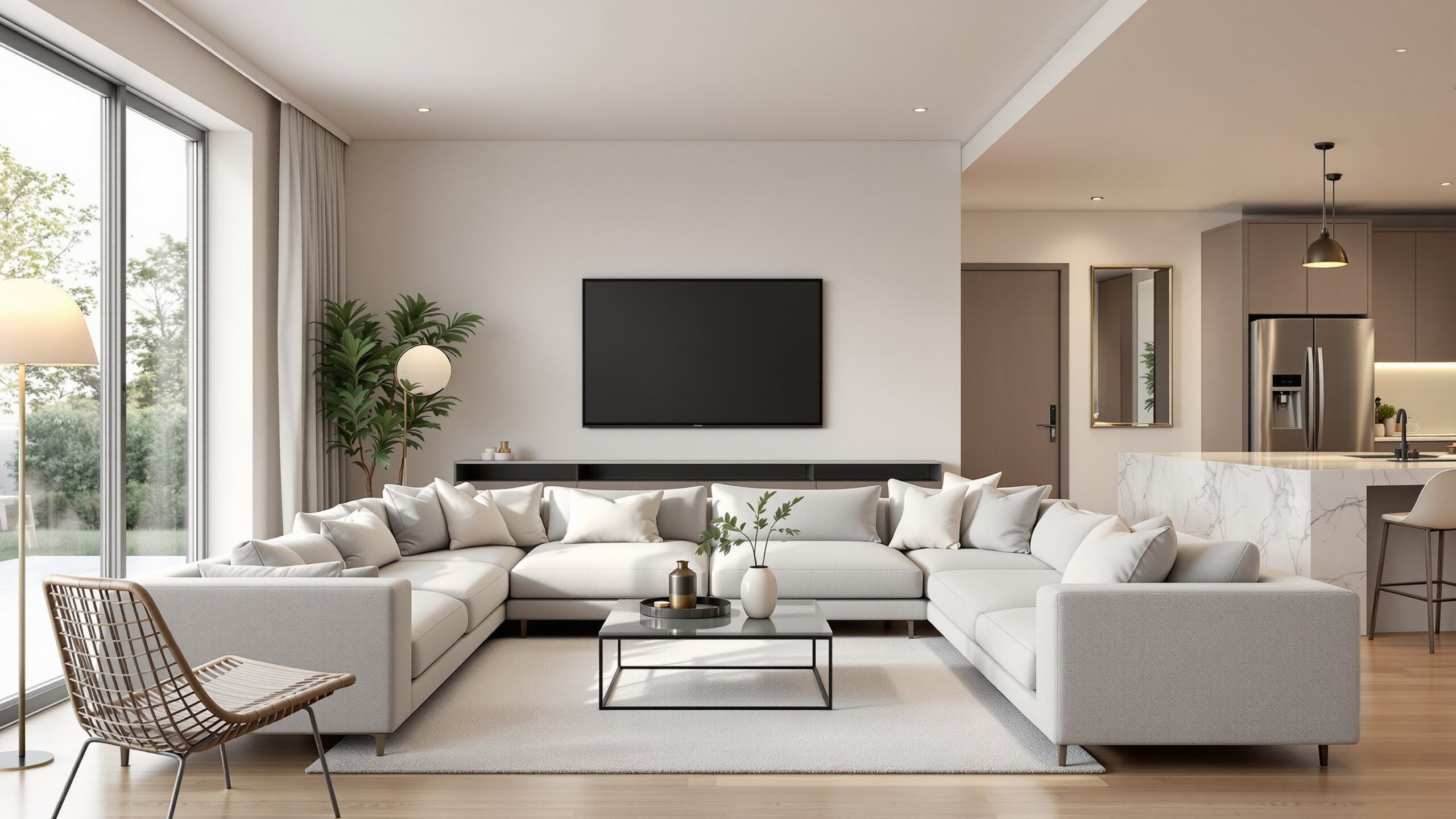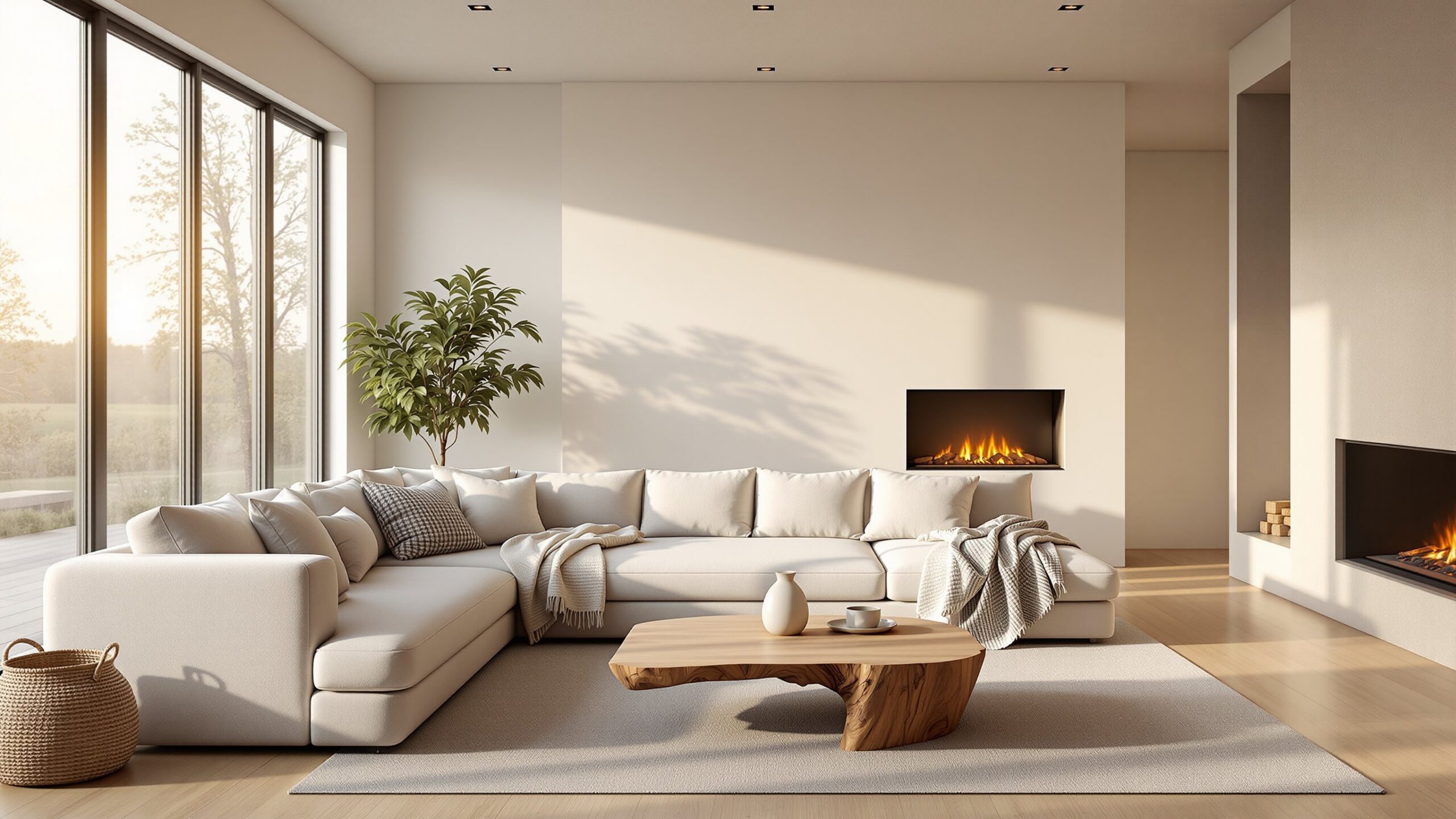
Designing a modern family room that feels warm and inviting is an artful balance between sleek aesthetics and genuine comfort. While modern design is often associated with minimalism, clean lines, and neutral palettes, a family room must go beyond visual appeal—it should feel like the heart of the home. It’s where conversations unfold, memories are made, and everyday life happens in its most authentic form. The challenge lies in blending contemporary style with emotional warmth, creating a space that looks refined but feels effortlessly livable. This guide explores how to design a modern family room that achieves both. From layout and color palettes to textures, lighting, and personal touches, every element plays a role in shaping a space that feels welcoming, functional, and timeless.
A: Add layered lighting, warm woods, soft textiles, natural materials, and personal decor to balance clean lines.
A: Warm whites, beige, taupe, camel, olive, muted terracotta, and soft earthy shades usually create a welcoming mood.
A: The best layout supports conversation, comfort, and movement, usually with seating anchored around one clear focal point.
A: Yes. Modern rooms feel cozy when they include texture, layered lighting, gentle contrast, and comfortable seating.
A: Choose a rug large enough to connect the main furniture pieces and soft enough to bring comfort underfoot.
A: Enough to add softness and texture, but not so many that people have nowhere comfortable to sit.
A: Not always, but a coffee table or ottoman usually helps ground the space and makes it more functional.
A: Mix books, baskets, art, and a few meaningful objects, then leave open space so the styling can breathe.
A: Soft layered lighting from lamps and sconces is usually better than relying only on bright overhead fixtures.
A: Comfort, personality, warmth, and a design that makes people want to sit down, relax, and stay awhile.
Understanding the Modern Family Room Aesthetic
A modern family room is defined by simplicity, functionality, and intentional design. It avoids clutter, favors open space, and relies on a curated selection of furniture and décor. However, the key to making it feel warm lies in softening those clean lines and adding layers of comfort.
Rather than stark minimalism, think of modern warmth as a refined softness. It embraces natural materials, subtle contrasts, and thoughtful details. The goal is not to fill the room with objects but to create a harmonious environment where every piece serves a purpose and contributes to the overall atmosphere.
In a family room, this balance becomes even more important. The space must be durable enough for daily use while still feeling elevated. It should invite people in, not intimidate them.
Start With a Thoughtful Layout
The foundation of any successful family room design begins with layout. A well-planned arrangement ensures that the space flows naturally and supports how the room will be used.
Modern family rooms often favor open-concept layouts, seamlessly connecting with kitchens or dining areas. Within this openness, it’s essential to create defined zones. The seating area should feel like a destination, anchored by a rug or centered around a focal point such as a fireplace or media wall.
Furniture placement should encourage conversation and connection. Sofas and chairs should face each other or be arranged in a way that allows easy interaction. Avoid pushing all furniture against the walls; instead, bring pieces inward to create a more intimate setting.
Traffic flow is equally important. The room should feel easy to navigate, with clear pathways that don’t disrupt the seating arrangement. A thoughtful layout ensures that the space feels both functional and welcoming.
Choose a Warm, Modern Color Palette
Color has a profound impact on how a room feels. While modern design often leans toward neutral tones, warmth can be introduced through subtle variations and layered hues.
Start with a base palette of soft neutrals such as warm whites, creamy beiges, or gentle taupes. These tones create a calm and inviting backdrop. From there, introduce depth with earthy shades like terracotta, olive green, or muted browns. These colors bring a sense of grounding and connection to nature.
Avoid overly cool grays or stark whites, as they can make the room feel cold and impersonal. Instead, opt for tones with warm undertones that enhance the cozy atmosphere.
Accent colors should be used sparingly but intentionally. A deep navy throw, a rust-colored cushion, or a piece of artwork with rich tones can add character without overwhelming the space.
Incorporate Natural Materials
One of the most effective ways to add warmth to a modern family room is through natural materials. These elements bring texture, authenticity, and a sense of organic beauty.
Wood is a cornerstone of warm modern design. Whether it’s a coffee table, shelving, or exposed beams, wood adds richness and depth. Lighter woods create an airy feel, while darker tones introduce sophistication and contrast.
Stone is another powerful material, often used in fireplaces or accent walls. Its natural texture adds visual interest and a tactile quality that enhances the room’s warmth.
Textiles made from natural fibers, such as cotton, wool, and linen, contribute to a cozy and inviting atmosphere. These materials feel soft and comfortable while maintaining a refined look. By layering natural materials, the room gains dimension and avoids feeling flat or sterile.
Prioritize Comfortable, Stylish Furniture
Furniture is the centerpiece of any family room, and in a modern setting, it should strike a balance between style and comfort. Sleek silhouettes are important, but they should never come at the expense of usability.
Choose a sofa that invites people to sit and relax. Deep seats, plush cushions, and soft upholstery create a sense of comfort that encourages lingering. Sectionals are particularly effective in family rooms, offering ample seating while defining the space.
Accent chairs can add both function and visual interest. Look for designs that complement the modern aesthetic while introducing curves or softer lines to balance the room.
Coffee tables and side tables should be both practical and visually appealing. Consider pieces with rounded edges or natural finishes to soften the overall look.
The key is to select furniture that feels approachable. A modern family room should look beautiful, but it should also feel like a place where people can truly unwind.
Layer Textures for Depth and Warmth
Texture is essential in creating a warm and inviting environment. In modern design, where color palettes are often restrained, texture becomes the primary way to add depth and interest.
Start with a foundational rug that anchors the seating area. A soft, textured rug not only defines the space but also adds a layer of comfort underfoot. Choose materials like wool or blended fibers for durability and softness.
Layer in throw blankets and cushions with varying textures. Combine smooth fabrics with chunky knits, soft velvets, or woven materials. This contrast creates a tactile richness that enhances the room’s coziness. Window treatments also play a role in texture. Linen curtains or soft drapery can soften the room while adding an element of elegance. By thoughtfully layering textures, the space feels dynamic and inviting without relying on excessive decoration.
Use Lighting to Create Atmosphere
Lighting is one of the most powerful tools in shaping the mood of a room. In a modern family room, it should be layered and adaptable, providing both functionality and ambiance.
Start with ambient lighting, such as recessed lights or ceiling fixtures, to provide overall illumination. Then, add task lighting where needed, such as reading lamps near seating areas.
Accent lighting is where warmth truly comes to life. Table lamps, floor lamps, and wall sconces create pockets of soft light that make the room feel cozy and intimate. Warm-toned bulbs are essential, as they produce a gentle glow that enhances the inviting atmosphere.
Natural light should also be maximized. Keep window treatments light and airy to allow sunlight to fill the space during the day. The interplay between natural and artificial light creates a dynamic and welcoming environment.
Create a Strong Focal Point
Every family room benefits from a focal point that anchors the design. This could be a fireplace, a media wall, or a large piece of artwork.
In modern design, focal points are often clean and understated. A sleek fireplace with a stone surround or a minimalist built-in entertainment unit can serve as the visual center of the room.
If the room lacks architectural features, consider creating a focal point with furniture or décor. A statement sofa, a bold artwork, or a gallery wall can draw the eye and give the space a sense of purpose.
The key is to keep the focal point cohesive with the overall design. It should stand out without feeling disconnected from the rest of the room.
Add Personal Touches That Tell a Story
While modern design emphasizes simplicity, a family room should never feel impersonal. Personal touches are what transform a well-designed space into a meaningful one.
Incorporate items that reflect your personality and experiences. Family photos, travel souvenirs, or cherished objects can be displayed in a thoughtful and curated way.
Artwork is another powerful way to add character. Choose pieces that resonate with you, whether they are abstract paintings, photography, or handcrafted works.
Books, decorative objects, and plants can also contribute to the room’s personality. The goal is not to clutter the space but to add layers of meaning that make it feel uniquely yours.
Bring in Greenery for Life and Freshness
Plants are a simple yet impactful addition to any modern family room. They introduce color, texture, and a sense of vitality.
Large statement plants, such as fiddle leaf figs or rubber plants, can anchor a corner and add height to the room. Smaller plants can be placed on shelves, tables, or windowsills to create visual interest.
The presence of greenery softens the modern aesthetic and connects the space to nature. It also enhances the overall sense of well-being, making the room feel more inviting.
Choose planters that complement the room’s design, whether they are ceramic, woven, or metallic. The combination of natural elements and modern styling creates a balanced and harmonious look.
Keep Clutter Minimal but Functional
A modern family room should feel clean and organized, but that doesn’t mean it has to be devoid of life. The key is to manage clutter in a way that supports both aesthetics and functionality.
Incorporate smart storage solutions, such as built-in shelving, storage ottomans, or concealed cabinets. These allow you to keep everyday items accessible while maintaining a tidy appearance.
Decor should be curated rather than excessive. Each piece should have a purpose or significance, contributing to the overall design.
By keeping clutter under control, the room feels more spacious and serene, enhancing its welcoming atmosphere.
Balance Technology With Design
In today’s family rooms, technology often plays a central role. Televisions, speakers, and gaming systems are common features, but they should be integrated seamlessly into the design.
Consider wall-mounting the television or incorporating it into a built-in unit to reduce visual clutter. Cable management is essential for maintaining a clean look.
Choose tech accessories that complement the room’s aesthetic, such as sleek speakers or minimalist consoles. The goal is to ensure that technology enhances the space without dominating it.
When done thoughtfully, technology becomes part of the design rather than a distraction from it.
Design for Real Life
Ultimately, a family room must be designed for real life. It should accommodate the needs of everyone in the household while remaining adaptable to different activities.
Durable materials and easy-to-clean fabrics are essential, especially in homes with children or pets. Choose finishes that can withstand daily use without compromising style.
Flexibility is also important. The room should be able to transition from a place for relaxation to a space for entertaining or family gatherings.
By prioritizing practicality alongside aesthetics, the family room becomes a space that truly supports everyday living.
Bringing It All Together
Designing a modern family room that feels warm and inviting is about more than following trends. It’s about creating a space that reflects your lifestyle, supports connection, and feels genuinely comfortable.
Through thoughtful layout, warm color palettes, natural materials, layered textures, and personalized details, you can achieve a balance between modern elegance and everyday warmth. Lighting, greenery, and functional design elements further enhance the atmosphere, ensuring that the room feels both beautiful and livable.
In the end, the most successful family rooms are those that people are drawn to. They are spaces where style meets substance, where design serves a purpose, and where comfort is never compromised. By embracing both modern principles and human-centered design, you can create a family room that not only looks stunning but also feels like home.