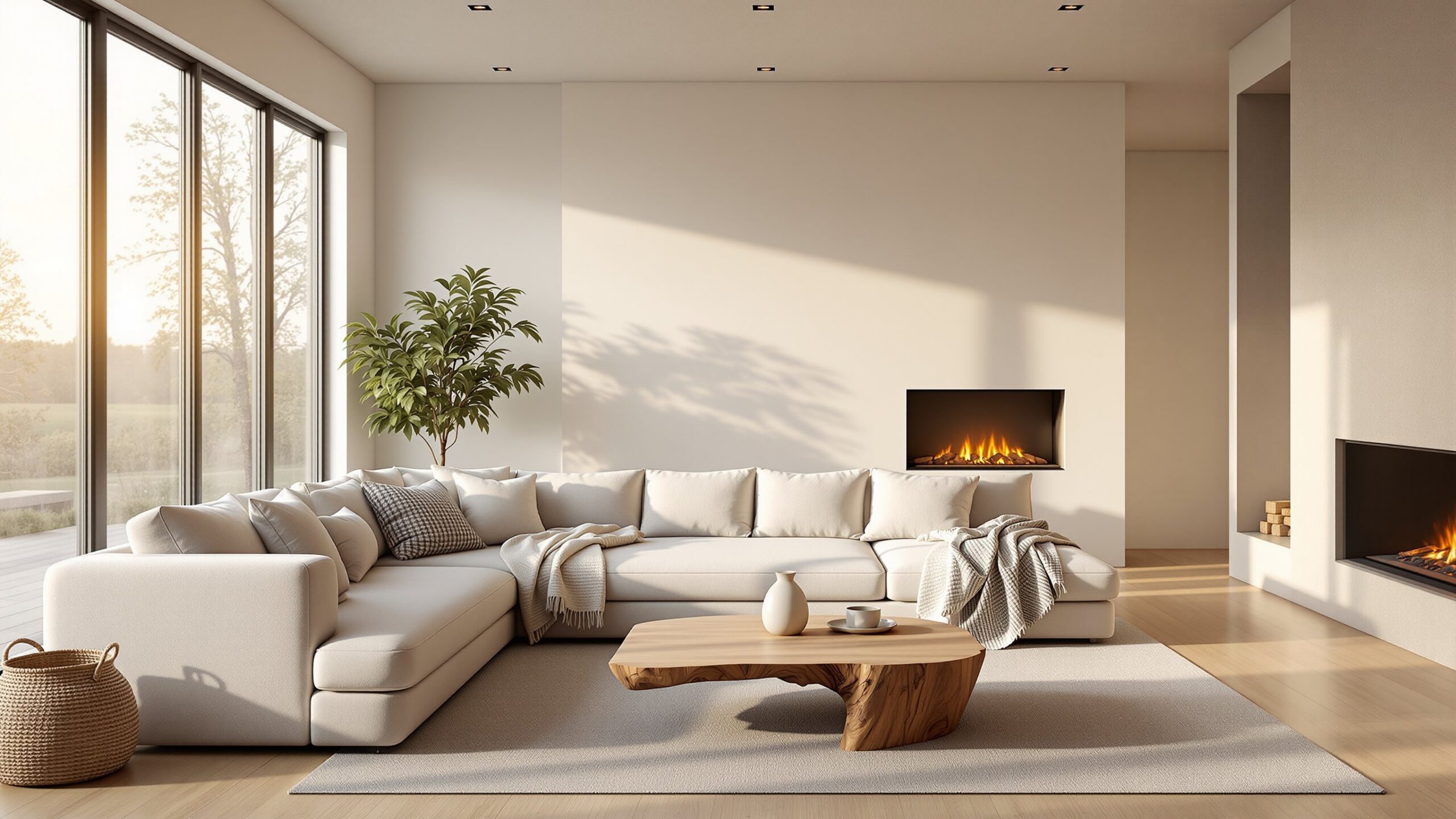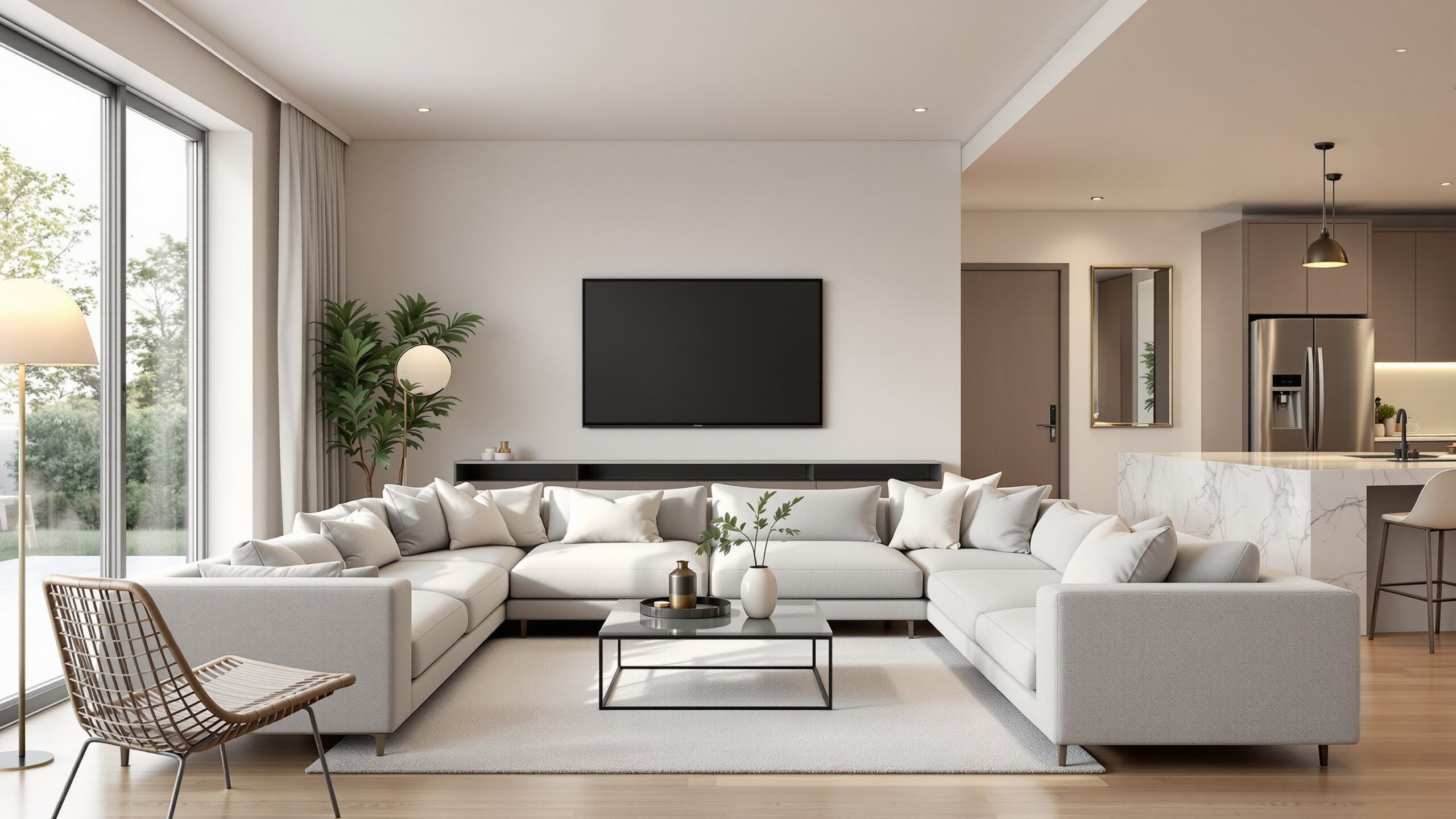
The modern family room has evolved into one of the most dynamic and meaningful spaces in the home. It is no longer just a place to watch television—it is where conversations unfold, memories are created, and everyday life finds its rhythm. Today’s family rooms blend comfort, design sophistication, and smart functionality, transforming them into spaces that feel both elevated and deeply personal. Whether you are refreshing your current layout or starting from scratch, modern family room design offers endless opportunities to create a space that is stylish, welcoming, and effortlessly livable.
A: Upgrade the rug, improve lighting, and add layered textiles—those three changes usually make the biggest immediate difference.
A: No. Sectionals work well in many spaces, but a sofa with accent chairs can feel lighter and more flexible.
A: Focus on scale, texture, cohesive colors, better lighting, and less clutter rather than filling the room with more items.
A: Warm neutrals, soft earth tones, muted greens, charcoal accents, and layered creams are popular, timeless choices.
A: Large enough to connect the seating area—usually with at least the front legs of the main furniture resting on it.
A: Yes. Choose durable fabrics, rounded edges, hidden storage, and easy-clean surfaces without sacrificing design appeal.
A: Combine overhead lighting with floor lamps, table lamps, and accent lighting to create a layered, inviting atmosphere.
A: Use scaled furniture, lighter tones, vertical storage, multifunctional pieces, and fewer but stronger decorative statements.
A: They can, but mixed pieces usually create a more custom, elevated, and designer-inspired look.
A: Thoughtful styling—art, pillows, throws, books, greenery, and edited decor that repeats the room’s color and material story.
The Modern Family Room Mindset
Modern design is not about minimalism alone—it is about intentionality. Every element in a modern family room serves a purpose, whether aesthetic, functional, or emotional. The goal is to create harmony between comfort and design, ensuring the room feels curated without being rigid. This balance is achieved through thoughtful layering of textures, clean architectural lines, and a cohesive color palette that grounds the space.
Unlike traditional living rooms that often leaned toward formality, modern family rooms embrace flexibility. Furniture is arranged for conversation and relaxation, not just visual symmetry. Technology is seamlessly integrated, and decor is chosen to reflect lifestyle rather than status. The result is a space that feels alive, evolving with the people who use it.
Open-Concept Living and Flow
One of the most impactful modern family room ideas is embracing an open-concept layout. By removing visual barriers between the family room, kitchen, and dining area, you create a sense of continuity that instantly elevates the space. This openness allows natural light to travel freely and encourages interaction between family members, even when they are engaged in different activities.
To make an open-concept family room feel cohesive, consistency is key. Flooring, color schemes, and materials should flow naturally from one area to the next. Rugs can define zones without disrupting the openness, while lighting fixtures help distinguish each functional area. The family room becomes the anchor of the space, grounding the home with warmth and connection.
Statement Seating That Anchors the Room
The sofa is the heart of the modern family room, and choosing the right one can transform the entire space. Large sectional sofas are especially popular because they provide ample seating while creating a sense of enclosure within an open layout. Their clean lines and generous proportions make them both practical and visually impactful. Modern seating emphasizes comfort without sacrificing style. Low-profile silhouettes, plush cushions, and neutral upholstery create a relaxed yet refined look. Accent chairs can add contrast, introducing sculptural forms or bold textures that elevate the overall design. When arranged thoughtfully, seating becomes more than functional—it becomes a defining design feature.
Layered Lighting for Atmosphere and Function
Lighting is one of the most powerful tools in modern family room design. Rather than relying on a single overhead fixture, modern spaces use layered lighting to create depth and adaptability. Ambient lighting provides overall illumination, while task lighting supports specific activities like reading or working. Accent lighting highlights architectural features, artwork, or decorative elements.
Floor lamps with sleek designs, table lamps with sculptural bases, and recessed lighting all contribute to a balanced lighting scheme. Dimmer switches allow you to adjust the mood throughout the day, transforming the family room from a bright, energetic space to a cozy retreat in the evening. Thoughtful lighting design not only enhances functionality but also adds a sophisticated, polished feel.
Neutral Palettes with Strategic Pops of Color
Modern family rooms often begin with a neutral color palette, creating a calm and versatile foundation. Shades of white, beige, gray, and soft earth tones establish a serene backdrop that allows other elements to shine. This approach makes the space feel open, airy, and timeless. However, neutrality does not mean monotony. Strategic pops of color—whether through throw pillows, artwork, or accent furniture—inject personality and energy into the room. Deep blues, warm terracottas, or muted greens can add depth without overwhelming the space. The key is restraint, ensuring that color enhances rather than competes with the overall design.
Texture as a Design Statement
In modern interiors, texture plays a crucial role in creating visual interest. When color is kept relatively minimal, texture becomes the element that brings the room to life. Soft textiles, natural materials, and varied finishes create layers that invite touch and engagement.
A plush area rug anchors the seating area, while woven throws and linen cushions add softness. Wood, stone, and metal introduce contrast and structure, creating a dynamic interplay of materials. Even subtle details, like the grain of a wooden coffee table or the matte finish of a ceramic vase, contribute to the richness of the space. Texture ensures that the room feels warm and inviting rather than sterile.
The Rise of Multifunctional Furniture
Modern family rooms are designed to adapt to a variety of needs, from relaxation to work to entertainment. Multifunctional furniture is essential in achieving this flexibility. Storage ottomans, modular sofas, and expandable coffee tables allow the room to evolve throughout the day. Built-in shelving and media units provide storage while maintaining a clean, streamlined appearance. These elements reduce clutter and create a sense of order, which is essential for a modern aesthetic. By choosing furniture that serves multiple purposes, you maximize both space and usability without compromising style.
Technology Integration Without Visual Clutter
Technology is a central part of modern family life, but it does not have to dominate the design. The key is integration—incorporating technology in a way that feels seamless and unobtrusive. Wall-mounted televisions, hidden cable management systems, and smart home devices all contribute to a clean and organized look.
Media walls are becoming increasingly popular, combining storage, display, and entertainment into a single cohesive unit. These designs often feature minimalist cabinetry, integrated lighting, and carefully curated decor. The result is a focal point that enhances the room without overwhelming it.
Bringing Nature Indoors
Biophilic design, or the integration of natural elements, is a defining trend in modern family rooms. Plants, natural materials, and organic shapes create a connection to the outdoors, promoting a sense of calm and well-being. Large indoor plants can serve as statement pieces, adding height and vibrancy to the room. Wooden furniture, stone accents, and woven textures reinforce this natural aesthetic. Even small touches, like fresh flowers or nature-inspired artwork, contribute to a more grounded and harmonious environment. Incorporating nature into your design not only elevates the space visually but also enhances its emotional impact.
Statement Walls That Define the Space
A statement wall is an effective way to add character and depth to a modern family room. Whether through textured finishes, bold paint colors, or architectural elements, a feature wall can become the focal point of the space.
Wood paneling, stone cladding, or even a gallery wall of curated artwork can transform a plain wall into a design highlight. In modern interiors, statement walls are often subtle yet impactful, emphasizing texture and material rather than overly busy patterns. This approach ensures that the room remains sophisticated while still expressing individuality.
Rugs That Anchor and Define
Area rugs play a vital role in modern family room design, particularly in open-concept spaces. They define the seating area, add warmth, and contribute to the overall aesthetic. A well-chosen rug can tie together the colors and textures in the room, creating a cohesive look. Modern rugs often feature subtle patterns, neutral tones, or abstract designs that complement the overall palette. The size of the rug is equally important—larger rugs that extend under furniture create a more unified and spacious feel. By anchoring the room visually, rugs help establish a sense of structure and balance.
Personalization Through Art and Decor
While modern design emphasizes simplicity, personalization is what truly makes a family room feel special. Artwork, photographs, and curated decor items tell a story, reflecting the personalities and experiences of those who live in the space.
The key is to avoid overcrowding. Instead of filling every surface, choose a few meaningful pieces that stand out. Large-scale artwork can create a dramatic focal point, while smaller items can be grouped thoughtfully to create visual interest. This curated approach ensures that the room feels intentional and refined.
Cozy Meets Contemporary
One of the most appealing aspects of modern family room design is its ability to combine coziness with contemporary style. Soft furnishings, warm lighting, and inviting layouts create a sense of comfort, while clean lines and minimal clutter maintain a polished appearance. Layering is essential in achieving this balance. Combining soft textiles with structured furniture, warm tones with cool finishes, and natural materials with modern elements creates a space that feels both comfortable and sophisticated. This fusion of cozy and contemporary is what defines the modern family room.
Small Space Solutions That Feel Spacious
Not every family room is expansive, but modern design offers solutions that make even small spaces feel elevated. Strategic furniture placement, light color palettes, and multifunctional pieces can maximize both space and style.
Mirrors can reflect light and create the illusion of a larger room, while vertical storage solutions make use of wall space without crowding the floor. Choosing furniture with slim profiles and exposed legs can also make the room feel more open. With thoughtful design, even a compact family room can feel airy and inviting.
Creating Zones Within the Room
Modern family rooms often serve multiple purposes, from lounging and entertaining to working and studying. Creating distinct zones within the room helps organize these activities without compromising the overall design. Rugs, lighting, and furniture placement can define different areas, such as a reading nook, a media zone, or a workspace. This approach allows the room to function efficiently while maintaining a cohesive aesthetic. By thoughtfully dividing the space, you create a more versatile and enjoyable environment.
The Power of Symmetry and Balance
While modern design often embraces asymmetry, balance remains an important principle. Achieving visual harmony ensures that the room feels cohesive and well-designed. This can be accomplished through the placement of furniture, the distribution of color, and the repetition of materials.
For example, pairing matching lamps on either side of a sofa or balancing a large piece of artwork with complementary decor elements creates a sense of stability. Even in more eclectic spaces, maintaining a sense of balance helps unify the design.
Elevating the Everyday Experience
At its core, a modern family room is about enhancing daily life. It is a space that supports relaxation, connection, and creativity. By combining thoughtful design with practical functionality, you create an environment that feels both elevated and accessible. The most successful family rooms are those that reflect the people who use them. They are not defined by trends alone but by how well they serve the needs and aspirations of the household. Whether through a perfectly placed sofa, a carefully chosen color palette, or a meaningful piece of art, every detail contributes to a space that feels uniquely yours.
Designing a Space That Grows With You
Modern family room design is not static—it evolves over time, adapting to changes in lifestyle, preferences, and needs. By focusing on timeless elements, flexible layouts, and personal touches, you create a space that can grow and transform alongside you.
Elevating your family room does not require a complete overhaul. Often, small, intentional changes—introducing new textures, updating lighting, or rearranging furniture—can have a significant impact. The goal is not perfection but harmony, creating a space that feels both beautiful and deeply livable.
In the end, the modern family room is more than a design project. It is the heart of the home, a place where style meets comfort and where everyday moments become lasting memories.