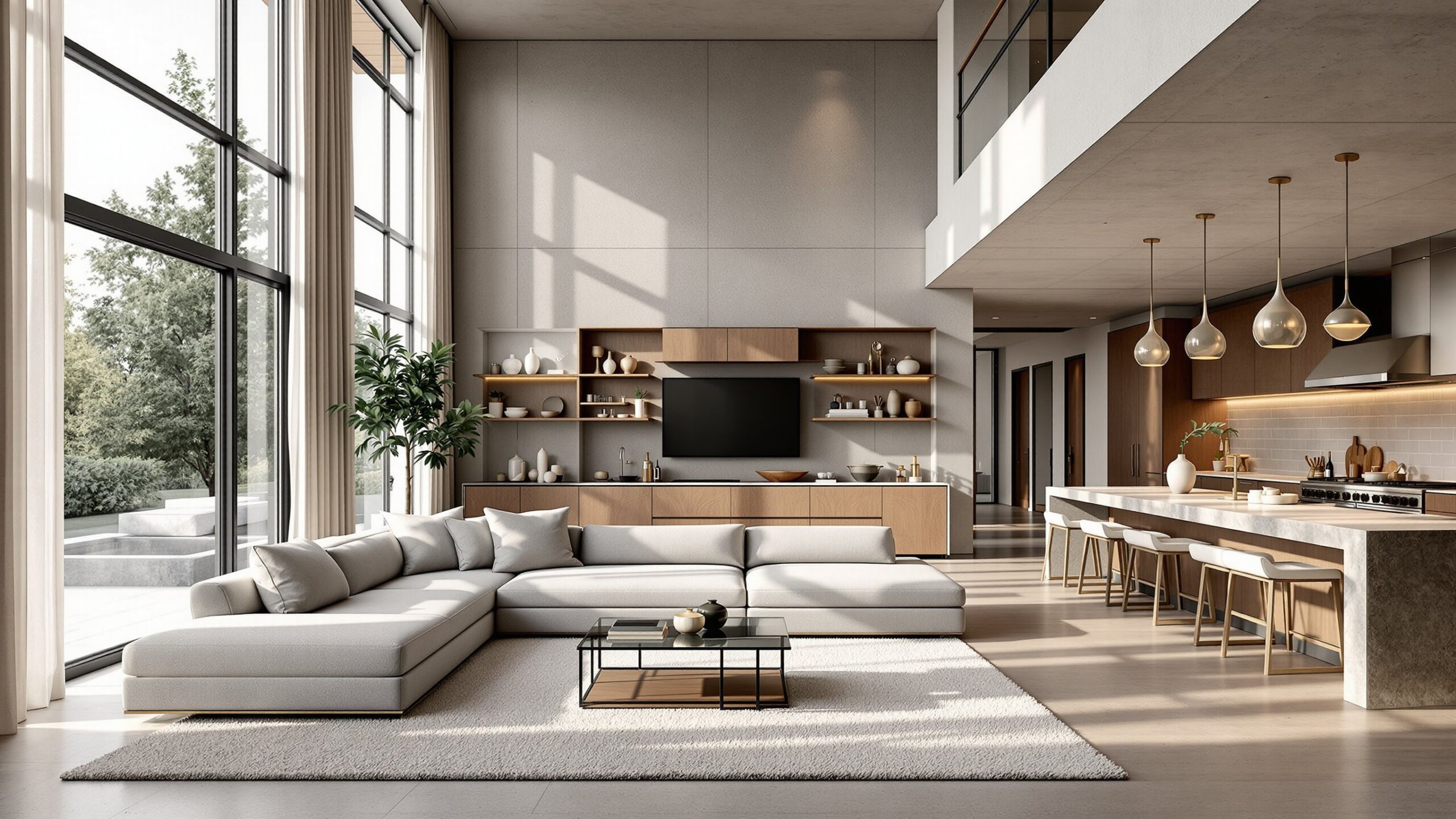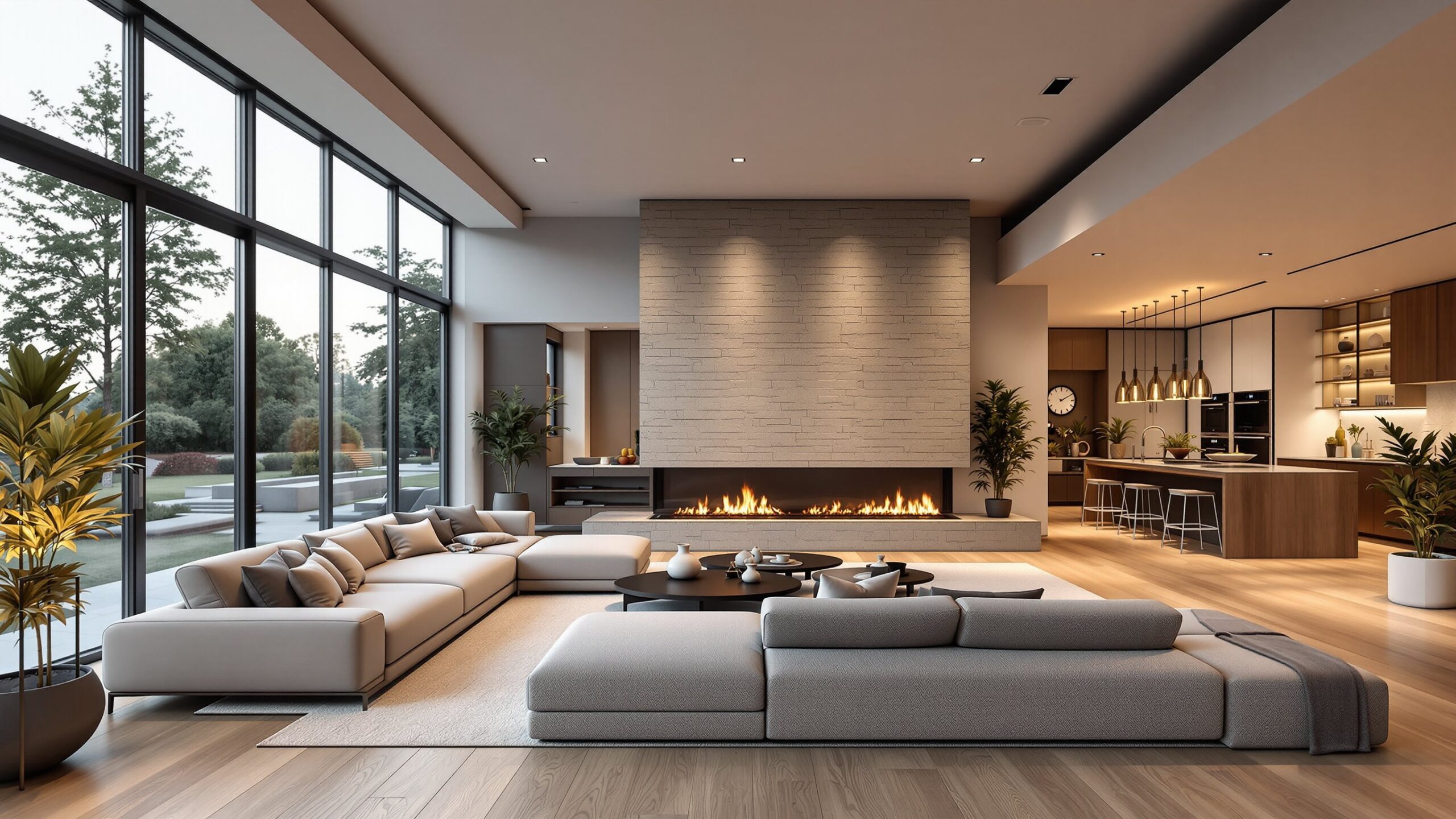
Open-concept living has become one of the most influential design movements in modern home interiors. Families no longer want isolated rooms separated by walls, narrow hallways, and disconnected spaces. Today’s homeowners crave openness, flexibility, light, and connection. The open-concept family room has evolved into the true heart of the home — a multifunctional environment where entertaining, relaxing, cooking, working, and everyday living seamlessly blend together. A thoughtfully designed open-concept family room does far more than improve aesthetics. It changes how a home feels and functions. It encourages conversation, maximizes natural light, improves traffic flow, and creates an inviting atmosphere that feels larger, brighter, and more welcoming. Whether you live in a modern apartment, suburban home, farmhouse retreat, or luxury custom build, transforming your family room into an open and cohesive gathering space can dramatically elevate your entire home experience. From furniture placement and lighting strategies to color palettes and architectural details, every design decision contributes to the success of an open-concept layout. The best spaces balance openness with warmth, structure with comfort, and beauty with practicality.
A: Use rugs, layered lighting, soft textiles, warm colors, and furniture groupings that create intimate zones.
A: Sectionals, swivel chairs, storage ottomans, console tables, and low-profile pieces usually work beautifully.
A: Use a rug, sofa placement, ceiling lighting, or a console table to define the living area naturally.
A: It does not need to match exactly, but colors, materials, and finishes should feel coordinated.
A: Place it where seating can face it comfortably without blocking walkways or dominating the entire layout.
A: Add rugs, curtains, upholstered furniture, pillows, acoustic panels, and fabric-based décor to absorb sound.
A: Choose a rug large enough for at least the front legs of major seating pieces to rest on it.
A: Use closed storage, baskets, built-ins, storage ottomans, and media cabinets with concealed compartments.
A: Warm neutrals, soft earth tones, layered whites, muted greens, and gentle grays create flexible flow.
A: Repeat flooring, trim color, wood tones, lighting finishes, and accent colors across adjoining spaces.
Why Open-Concept Family Rooms Are So Popular
The rise of open-concept living reflects changing lifestyles. Families today spend more time together in shared spaces rather than isolated rooms. Parents want visibility while cooking, entertaining guests, or helping children with homework. Homeowners also increasingly value flexibility, especially as homes serve multiple purposes including workspaces, entertainment hubs, and relaxation zones.
An open-concept family room creates a natural flow between the kitchen, dining area, and living space. Instead of rooms feeling compartmentalized, the entire main floor becomes one cohesive environment. This openness immediately makes homes feel larger and more luxurious, even without increasing square footage.
Natural light also plays a major role in the popularity of open layouts. Without walls interrupting sunlight, brightness spreads throughout the space, creating a more uplifting and energetic atmosphere. Large windows, sliding glass doors, and skylights become even more impactful in an open environment.
Beyond aesthetics, open-concept spaces enhance social interaction. Guests can move freely between areas while still feeling connected to conversations and activities. Family members can cook, relax, and interact without barriers separating them. The result is a home that feels alive, connected, and welcoming.
Creating Defined Zones Without Walls
One of the biggest challenges in open-concept design is maintaining structure without relying on walls. Successful family rooms feel cohesive while still offering clear functional zones. The key lies in thoughtful design elements that visually separate areas while preserving openness.
Area rugs are among the most effective tools for defining spaces. A large rug beneath the seating arrangement instantly establishes the living area, while another beneath the dining table creates distinction nearby. These visual anchors help organize the room naturally.
Furniture placement also plays a critical role. Sectional sofas can subtly divide the family room from the kitchen or dining area without blocking views or interrupting flow. Console tables placed behind sofas add additional structure while maintaining openness.
Lighting further reinforces zoning. Pendant lights above a dining table, recessed lighting in walkways, and statement chandeliers in seating areas visually separate functions while tying the overall design together.
Architectural details such as ceiling beams, partial walls, fireplaces, or built-in shelving can also create subtle separation without sacrificing openness. Even varying paint textures or accent walls can help distinguish spaces while maintaining a harmonious overall design.
Choosing the Right Color Palette
Color is one of the most important elements in open-concept design because the eye travels continuously throughout the space. A disconnected color scheme can make the home feel chaotic, while a cohesive palette creates harmony and flow.
Neutral tones remain among the most popular choices for open-concept family rooms because they create continuity and timeless elegance. Soft whites, warm taupes, light grays, creamy beiges, and earthy sand tones establish a calm and versatile foundation.
However, neutral does not mean boring. Layering subtle variations in tone adds sophistication and depth. Warm wood textures, linen fabrics, stone surfaces, matte finishes, and textured upholstery create richness while maintaining visual consistency.
Accent colors work best when repeated strategically throughout the room. Deep navy, forest green, charcoal, terracotta, or muted blue can appear in throw pillows, artwork, rugs, and decorative accessories to create cohesion across different zones.
Natural tones inspired by organic materials are especially effective in family rooms because they promote warmth and relaxation. Wood finishes, greenery, woven materials, and soft textiles help balance the expansive feel of open spaces with comforting texture.
The Power of Statement Furniture
In open-concept family rooms, furniture becomes more than functional — it acts as architectural structure. Large-scale furniture pieces help define the room while contributing to the overall aesthetic.
Sectional sofas remain one of the most effective choices for open layouts because they establish clear seating zones while maximizing comfort. Oversized sectionals create an inviting environment for families to gather, lounge, and entertain.
Curved furniture has also become increasingly popular in open-concept spaces. Rounded sofas, circular coffee tables, and sculptural accent chairs soften the linear feel of large rooms and create a more organic flow.
Statement coffee tables often become central focal points. Natural stone, oversized wood slabs, glass surfaces, or modern sculptural designs add personality and visual weight to the room.
Built-in cabinetry is another transformative feature. Floor-to-ceiling shelving surrounding a fireplace or entertainment wall creates architectural sophistication while providing practical storage. Custom built-ins help open spaces feel intentional and refined rather than empty or undefined.
Multifunctional furniture is especially valuable for busy households. Storage ottomans, expandable dining tables, hidden charging stations, and modular seating solutions improve flexibility while maintaining a clean and uncluttered appearance.
Bringing Warmth Into Large Open Spaces
One common concern with open-concept family rooms is that they can sometimes feel cold or impersonal if not designed carefully. Warmth is essential for creating a space that feels inviting rather than cavernous.
Layered textures are one of the most effective ways to soften large spaces. Plush rugs, boucle fabrics, chunky knit throws, velvet pillows, and woven baskets create tactile comfort that makes the room feel lived-in and welcoming.
Wood elements also introduce warmth and balance. Exposed ceiling beams, hardwood flooring, wood-paneled walls, and natural wood furniture prevent open spaces from feeling sterile or overly modern.
Fireplaces remain powerful design anchors in family rooms. Whether traditional stone fireplaces, sleek linear gas models, or contemporary plaster finishes, fireplaces instantly create intimacy and comfort within larger layouts.
Soft lighting is equally important. Relying solely on overhead lighting can make open rooms feel harsh and flat. Layering table lamps, sconces, floor lamps, and dimmable fixtures creates depth, ambiance, and warmth throughout the space.
Plants and greenery bring life into open-concept interiors. Large olive trees, fiddle-leaf figs, hanging plants, or subtle greenery arrangements soften architectural lines while enhancing the natural atmosphere of the room.
Open-Concept Ideas for Modern Homes
Modern homes often embrace minimalism, clean lines, and simplicity. In open-concept family rooms, this approach creates a sophisticated and airy environment that feels effortlessly elegant.
Modern layouts benefit from streamlined furniture silhouettes and uncluttered design. Low-profile sofas, floating media consoles, and minimalist shelving preserve openness and maintain visual calm. Black accents are commonly used to create contrast and structure within modern interiors. Matte black window frames, light fixtures, shelving, or hardware add definition while maintaining sophistication.
Large windows are a signature feature of modern open-concept homes. Floor-to-ceiling glass enhances natural light and creates seamless indoor-outdoor connection. When paired with neutral palettes and simple materials, the result feels expansive and luxurious.
Concrete, stone, and natural wood often work together beautifully in modern family rooms. The balance between raw textures and refined finishes creates visual interest without overwhelming the space. Minimalist design also encourages intentional decorating. Instead of filling every surface, modern open-concept rooms rely on fewer, larger statement pieces that create impact while preserving spaciousness.
Farmhouse-Inspired Open Family Rooms
Farmhouse interiors continue to dominate home design because they combine comfort, character, and timeless charm. Open-concept family rooms are particularly well-suited for farmhouse aesthetics because they emphasize warmth and togetherness.
Exposed wood beams instantly add rustic charm and architectural interest. Reclaimed wood finishes, shiplap walls, oversized sectionals, and vintage-inspired lighting help create a welcoming atmosphere. Farmhouse spaces often balance rustic and modern elements. Clean white walls paired with black metal accents and warm wood textures create a fresh yet cozy aesthetic.
Large communal furniture pieces are central to farmhouse design. Deep sofas, oversized coffee tables, and long dining tables encourage gathering and conversation. Layered textiles such as linen curtains, woven rugs, and soft neutral upholstery enhance comfort while maintaining the relaxed elegance farmhouse interiors are known for.
Open shelving in kitchens connected to family rooms also strengthens the farmhouse aesthetic. Displaying ceramics, wood cutting boards, and natural decor creates authenticity and warmth.
Luxury Open-Concept Family Room Trends
Luxury open-concept interiors focus on spaciousness, elevated materials, and sophisticated detail. These family rooms often combine dramatic architecture with comfort-driven design.
Double-height ceilings immediately create grandeur and openness. Paired with oversized windows and dramatic lighting fixtures, these spaces feel expansive and impressive. Stone surfaces are frequently used in luxury interiors. Marble fireplaces, travertine walls, quartz countertops, and natural stone coffee tables add elegance and timeless appeal.
Custom millwork elevates the overall design. Built-in shelving, hidden storage, integrated lighting, and architectural paneling create a polished and highly curated appearance.
Luxury family rooms also emphasize seamless technology integration. Hidden televisions, built-in speakers, smart lighting systems, and invisible charging stations maintain a clean and sophisticated aesthetic. Layered lighting remains essential in upscale interiors. Large sculptural chandeliers combined with recessed lighting and accent fixtures create visual drama while enhancing comfort and functionality.
Making Small Open-Concept Spaces Feel Bigger
Not every home has expansive square footage, but even small family rooms can benefit from open-concept design principles. In fact, removing visual barriers often makes compact homes feel significantly larger.
Light colors help small spaces feel airy and expansive. White walls, pale wood flooring, and reflective surfaces maximize brightness and openness.
Mirrors are another powerful design tool. Strategically placed mirrors reflect light and visually double the size of the room.
Furniture scale matters tremendously in smaller layouts. Oversized pieces can overwhelm the room, while furniture with exposed legs and lighter silhouettes maintains openness.
Vertical design strategies also help maximize space. Tall shelving, floor-to-ceiling curtains, and elongated lighting fixtures draw the eye upward and create the illusion of height.
Hidden storage solutions prevent clutter, which is especially important in open layouts where everything remains visible. Built-in storage benches, concealed cabinets, and multifunctional furniture maintain organization without sacrificing style.
Indoor-Outdoor Open Living
One of the most transformative trends in modern home design is the seamless connection between indoor and outdoor living spaces. Open-concept family rooms naturally lend themselves to this design philosophy.
Large sliding glass doors, folding wall systems, and oversized windows blur the line between interior and exterior spaces. Patios, decks, and outdoor kitchens effectively become extensions of the family room.
Consistent flooring materials between indoors and outdoors strengthen continuity. Matching tile, stone, or wood tones create a seamless visual transition.
Outdoor furniture styled similarly to indoor furnishings further enhances cohesion. Comfortable seating, layered textiles, outdoor rugs, and ambient lighting make exterior spaces feel like true living rooms.
Natural views become integral parts of the design. Whether overlooking gardens, mountains, pools, or city skylines, open-concept layouts maximize visual connection with the surrounding environment.
Indoor-outdoor living also improves functionality for entertaining. Guests can move easily between spaces, creating a more expansive and relaxed atmosphere during gatherings.
Personalizing Your Open-Concept Family Room
The most successful family rooms reflect the personalities and lifestyles of the people who live there. While trends provide inspiration, personalization is what ultimately transforms a beautiful room into a meaningful home.
Artwork adds individuality and emotional connection. Large-scale paintings, photography, sculptural pieces, or gallery walls introduce personality and visual storytelling. Collected decor often feels more authentic than perfectly matched accessories. Mixing vintage finds, travel souvenirs, heirloom furniture, and modern pieces creates depth and character.
Family-friendly design is equally important. Durable fabrics, performance upholstery, washable rugs, and practical layouts ensure the space remains beautiful while accommodating real everyday life.
Music, scent, lighting, and texture all contribute to the emotional atmosphere of the room. Open-concept spaces should not only look impressive but also feel calming, inspiring, and welcoming.
Ultimately, the best open-concept family rooms balance style and comfort effortlessly. They create spaces where families gather naturally, guests feel welcome, and everyday moments become more connected and meaningful.
The Future of Open-Concept Living
Open-concept family rooms continue to evolve alongside changing lifestyles and design preferences. Modern homeowners increasingly prioritize flexibility, wellness, natural light, and multifunctional spaces that support both relaxation and productivity.
Future trends will likely focus even more on sustainability, smart technology integration, and adaptable layouts that accommodate remote work and evolving family needs. Biophilic design, natural materials, and wellness-centered interiors will continue shaping how open spaces are designed.
Yet despite changing trends, the core appeal of open-concept living remains timeless. People naturally gravitate toward spaces that feel connected, bright, spacious, and welcoming. A thoughtfully designed family room has the power to transform not only the appearance of a home but also the way people interact within it.
Whether your style leans modern, rustic, minimalist, luxurious, or eclectic, an open-concept family room creates endless opportunities for creativity and comfort. With the right balance of layout, texture, lighting, and personality, this central living space can truly become the transformative heart of the entire home.