Open-concept living has transformed modern home design. Walls are disappearing, natural light is becoming a priority, and family rooms are evolving into multifunctional spaces where cooking, entertaining, relaxing, working, and connecting all happen together. A beautifully designed open-concept family room does more than simply look impressive. It creates flow, improves functionality, and becomes the emotional center of the home. The challenge is that open layouts can quickly feel cluttered, disconnected, noisy, or visually overwhelming if they are not thoughtfully planned. Designing a successful open-concept family room requires balance, structure, warmth, and intentional layering. Every piece of furniture, every lighting decision, and every texture contributes to the atmosphere of the entire home. This complete guide explores how to design an open-concept family room that feels cohesive, luxurious, inviting, and practical for everyday living.
A: Use a large rug, layered lighting, soft textiles, warm colors, and furniture arranged for conversation.
A: A sectional, modular sofa, or deep lounge sofa works well if it fits the room’s scale and traffic flow.
A: Use rugs, lighting, sofa placement, console tables, ceiling details, or subtle color shifts to define each zone.
A: No. The pieces should coordinate through color, scale, and materials, but matching everything can feel flat.
A: Ideally, the front legs of major seating pieces should sit on the rug to visually connect the furniture.
A: Place it where glare is controlled, seating has a clear view, and it does not dominate every zone.
A: Add rugs, curtains, upholstered furniture, wall art, bookshelves, and other sound-absorbing surfaces.
A: Warm neutrals, layered earth tones, soft whites, muted greens, blues, and natural wood tones all work beautifully.
A: Use closed storage, baskets, built-ins, trays, and furniture with hidden compartments.
A: Strong zoning, balanced scale, repeated materials, layered lighting, and a clear focal point create a polished result.
Understanding the Purpose of an Open-Concept Family Room
Before selecting furniture or paint colors, it is important to understand what an open-concept family room is meant to accomplish. Unlike traditional layouts with separated rooms, open-concept spaces combine multiple living zones into one continuous environment. The family room often connects directly to the kitchen, dining area, entryway, or even outdoor spaces.
This style of layout encourages interaction and visibility. Parents can cook while watching children play. Guests can move naturally between conversation areas during gatherings. Natural light flows farther throughout the home, making interiors feel larger and more welcoming.
However, openness alone does not automatically create good design. Without proper planning, these rooms can feel empty, chaotic, or disconnected. The goal is to create subtle boundaries without sacrificing openness. A successful family room feels unified while still giving each area a clear purpose.
Start With a Strong Layout Plan
Every stunning open-concept family room begins with a carefully considered layout. Furniture placement becomes especially important because there are fewer walls to guide the eye or define spaces. The first step is identifying the focal point. In some homes, the focal point may be a fireplace or large television. In others, it may be oversized windows, architectural beams, a statement wall, or even the connection to an outdoor patio. Once the focal point is established, furniture should support and enhance it rather than compete with it.
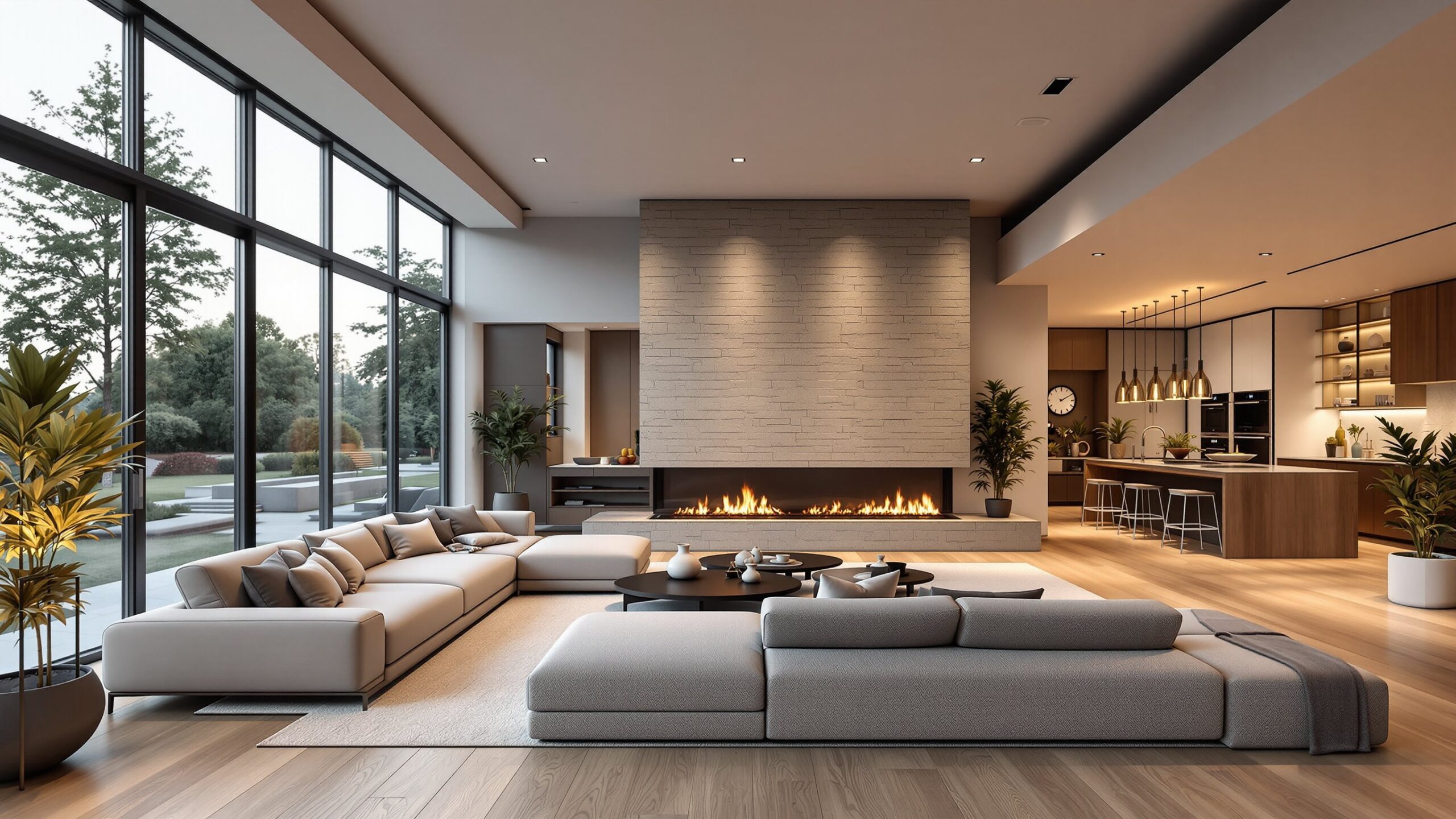
Large sectionals are often effective in open-concept spaces because they help define the family room zone naturally. A sectional can act almost like a soft wall, separating the seating area from the dining or kitchen space while maintaining openness. Traffic flow should also remain unobstructed. People should be able to move comfortably through the room without weaving around furniture. Pathways need to feel intuitive and spacious, especially in homes where multiple activities happen simultaneously.
Rugs are another powerful tool for defining areas. A large area rug instantly anchors the family room and visually separates it from surrounding zones. The rug should be large enough for at least the front legs of all seating pieces to sit comfortably on it.
Choose a Cohesive Color Palette
One of the secrets to a visually stunning open-concept room is consistency. Because the eye can see multiple connected spaces at once, colors must work together harmoniously. A cohesive palette creates calmness and continuity. Neutral foundations remain popular because they allow the architecture and furnishings to shine without overwhelming the room. Warm whites, creamy beiges, soft taupes, greige tones, and muted earth colors create timeless sophistication while making the space feel brighter and larger.
This does not mean the room must feel boring or sterile. Depth can be introduced through layered shades and subtle contrast. For example, a warm ivory sofa paired with caramel leather chairs, walnut wood finishes, matte black accents, and textured natural fabrics creates richness without visual chaos.
Accent colors should be repeated thoughtfully throughout the space. If deep olive green appears in throw pillows, consider incorporating similar tones in artwork, plants, or decorative accessories elsewhere in the room. Repetition helps unify the design. In open layouts connected to kitchens, cabinetry and family room finishes should complement one another. Clashing styles or competing color schemes can make the home feel fragmented rather than intentional.
Prioritize Comfortable and Functional Furniture
Open-concept family rooms are designed for living. While aesthetics matter, comfort and practicality are essential. Furniture should feel inviting, durable, and scaled appropriately for the room. Oversized furniture in a compact open layout can overwhelm the space, while furniture that is too small may make the room feel disconnected and unfinished.
Sectionals remain one of the most effective choices because they maximize seating while creating natural boundaries. Modular sofas are also growing in popularity because they offer flexibility for changing layouts and entertaining needs.
Layering different seating styles creates a more dynamic atmosphere. Pairing upholstered sofas with accent chairs, benches, ottomans, or swivel chairs adds versatility while encouraging conversation.
Coffee tables deserve careful consideration as well. Large rectangular or organic-shaped tables often work beautifully in open spaces because they visually anchor the seating arrangement. Materials like wood, stone, travertine, glass, or mixed metals can dramatically influence the room’s overall style.
Storage should also be integrated strategically. Open-concept rooms can quickly appear cluttered because everything is visible. Hidden storage ottomans, built-in shelving, media cabinets, and multifunctional furniture help maintain a clean and organized environment.
Use Lighting to Create Atmosphere and Definition
Lighting is one of the most transformative elements in any open-concept family room. It affects mood, functionality, depth, and spatial definition. Instead of relying solely on overhead lighting, stunning family rooms use layered lighting strategies. Ambient lighting provides overall illumination, task lighting supports functionality, and accent lighting adds warmth and dimension.
Statement chandeliers or oversized pendant lights can help define the family room zone within a larger open layout. These fixtures create visual anchors that establish intimacy without needing physical walls. Floor lamps and table lamps introduce softer pools of light that make the room feel cozy during evenings. Wall sconces can also add architectural sophistication and balance.
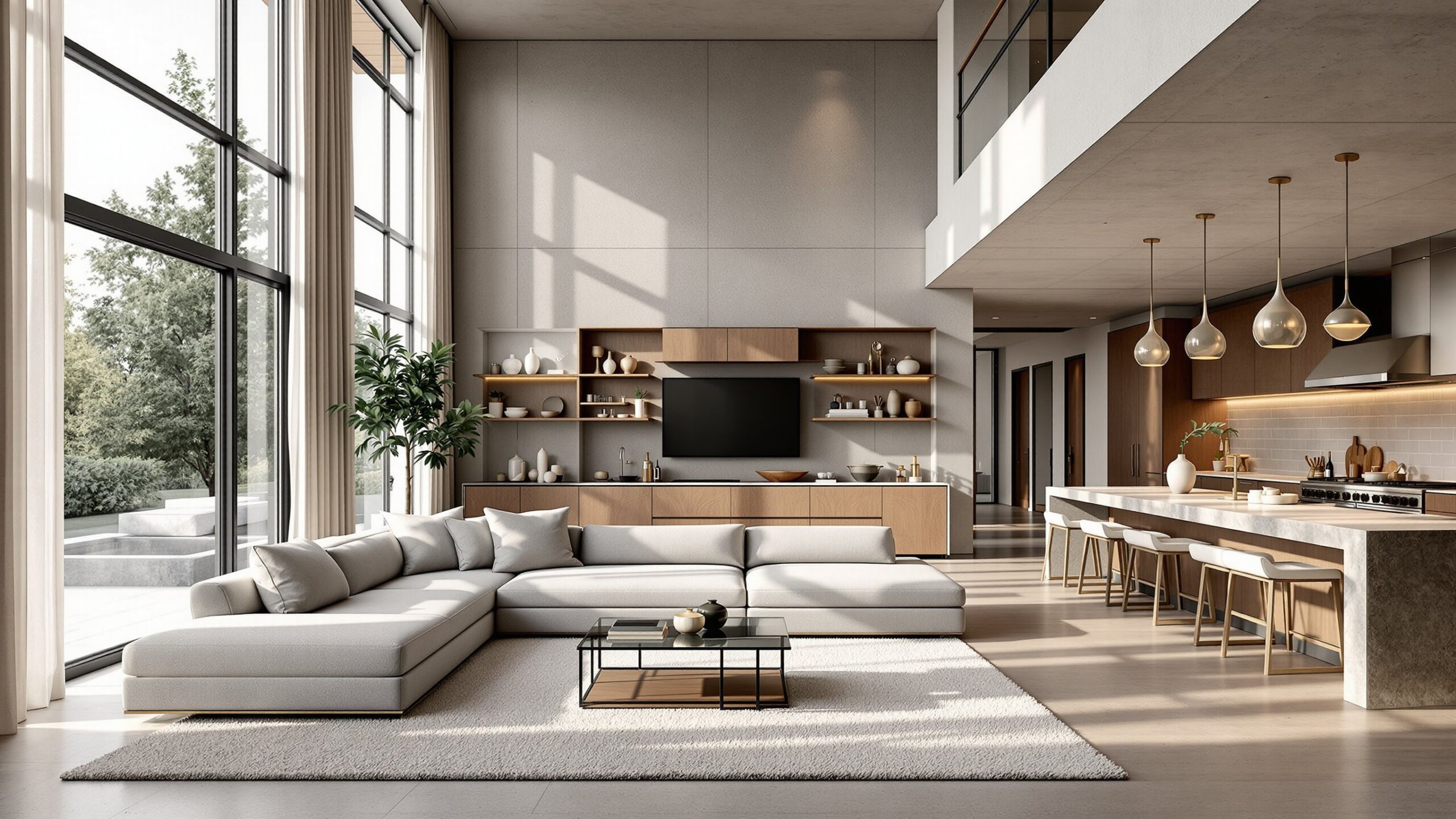
Natural light should be maximized whenever possible. Large windows, sliding glass doors, skylights, and reflective surfaces help create the airy feeling that makes open-concept spaces so appealing. Lightweight curtains or woven shades provide softness while still allowing sunlight to filter through beautifully.
Dimmers are another essential design feature. They allow the room to transition seamlessly from bright daytime functionality to relaxed nighttime ambiance.
Incorporate Texture for Warmth and Depth
One of the biggest mistakes in open-concept design is creating a room that feels flat or sterile. Because these spaces are often large and visually open, texture becomes incredibly important. Texture adds warmth, personality, and visual interest without requiring excessive color or decoration. A stunning family room layers materials thoughtfully to create balance and richness.
Natural woods bring grounding warmth and organic character. Stone surfaces add timeless sophistication. Linen upholstery introduces softness and casual elegance. Leather adds contrast and durability. Bouclé fabrics, woven baskets, ceramic decor, chunky knit throws, and textured rugs all contribute to a more inviting atmosphere.
Mixing matte and reflective finishes also enhances depth. For example, combining soft fabrics with glass accents, brushed metals, polished stone, or glossy ceramics creates subtle visual movement throughout the room.
Plants are another powerful textural element. Large indoor trees, sculptural greenery, and natural branches soften architectural lines while adding life and freshness.
Create Visual Zones Without Walls
A successful open-concept family room feels organized even without traditional separation. Designers achieve this by creating visual zones that subtly define different areas. Furniture placement is one of the most effective tools for zoning. A sofa can separate the family room from the dining space, while a console table behind the sofa creates an additional visual boundary.
Ceiling treatments can also establish distinction. Wood beams, tray ceilings, or contrasting light fixtures help differentiate zones without interrupting openness.
Area rugs play a major role as well. Using separate rugs for the family room and dining area creates clear visual organization while maintaining continuity.
Color variation can further reinforce zones. Slightly darker paint behind a media wall or a textured accent wall can establish identity within the family room while still coordinating with surrounding spaces. Built-in shelving units, fireplaces, and decorative screens may also help create structure while preserving openness and light flow.
Balance Technology With Design
Modern family rooms often revolve around entertainment, which means technology integration must be considered carefully. Televisions, speakers, gaming systems, and smart home devices can easily dominate the aesthetic if not thoughtfully incorporated.
The most elegant open-concept family rooms blend technology seamlessly into the overall design. Mounted televisions framed by built-ins, textured walls, or custom cabinetry feel far more refined than standalone black screens.
Concealing wires and electronics is essential for maintaining a polished look. Media consoles with hidden storage help organize devices while reducing visual clutter. Smart lighting systems, motorized shades, and integrated sound systems can dramatically improve the functionality of the room without compromising style. Technology should support the lifestyle of the space rather than overpower it.
Make the Room Feel Personal
Beautiful design goes beyond trends. The most memorable family rooms reflect the personality and lifestyle of the people who live there.
Personal touches create emotional warmth and authenticity. Artwork, travel finds, meaningful books, heirloom pieces, and curated accessories make a room feel layered and lived-in rather than staged.
Gallery walls can work beautifully in open-concept spaces when curated thoughtfully. Oversized artwork often creates stronger impact than multiple smaller pieces because it helps reduce visual clutter.
Styling shelves with restraint is also important. Open-concept rooms benefit from intentional simplicity rather than overcrowded decor.
Family-friendly design should not sacrifice sophistication. Durable performance fabrics, washable rugs, rounded furniture edges, and practical materials allow the space to remain both elegant and functional for real life.
Designing Around Different Interior Styles
Open-concept family rooms can adapt beautifully to many design aesthetics. The key is maintaining consistency throughout connected spaces.
Modern open-concept rooms often feature clean lines, neutral palettes, oversized windows, and minimalist furnishings. These spaces emphasize simplicity, openness, and architectural form.
Contemporary family rooms may include sculptural furniture, layered lighting, mixed materials, and bold statement pieces while still maintaining visual balance.
Farmhouse-inspired layouts frequently incorporate natural wood tones, cozy textiles, oversized sectionals, and warm layered textures that create inviting comfort.
Scandinavian-inspired spaces focus on brightness, simplicity, natural materials, and functional elegance. These rooms often feel airy, calming, and effortlessly sophisticated.
Transitional interiors blend traditional warmth with modern simplicity, creating timeless family rooms that feel approachable and refined.
No matter the chosen style, consistency in materials, finishes, and color relationships helps unify the open layout beautifully.
The Importance of Scale and Proportion
Scale is one of the most overlooked aspects of family room design. In open-concept layouts, improperly sized furniture can quickly disrupt the balance of the space. Large rooms need furniture with enough visual weight to feel intentional. Tiny rugs, undersized coffee tables, or small artwork can disappear within expansive layouts.
At the same time, oversized furniture in smaller open spaces may make the room feel crowded and heavy.
Ceiling height also affects proportion. Tall ceilings often benefit from vertical elements such as oversized lighting fixtures, floor-to-ceiling curtains, tall shelving, or statement artwork that draws the eye upward. Maintaining balanced proportions between furniture, architecture, and decor creates harmony and sophistication.
Designing for Real Life
A truly successful family room supports daily living. While magazine-worthy styling can inspire ideas, real homes need flexibility, durability, and comfort.
Open-concept spaces often become gathering hubs where families watch movies, entertain friends, work remotely, and spend quality time together. The room should accommodate multiple activities without feeling chaotic.
Performance fabrics, durable flooring, washable textiles, and practical storage solutions all help the room remain beautiful over time.
Acoustics should also be considered. Open layouts can sometimes create echo or noise issues. Rugs, curtains, upholstered furniture, and textured surfaces help absorb sound and create a more comfortable environment.
Pet-friendly and child-friendly design choices can still feel elevated when materials and finishes are selected thoughtfully.
Bringing the Entire Space Together
The most stunning open-concept family rooms feel intentional from every angle. Nothing appears random or disconnected. Every material, finish, texture, and furniture piece contributes to a larger visual story. Consistency does not mean everything must match perfectly. Instead, the room should feel coordinated through repeated tones, complementary materials, and balanced proportions.
Editing is also essential. Open layouts benefit from breathing room and visual clarity. Too many competing decor elements can quickly overwhelm the space. When thoughtfully designed, an open-concept family room becomes far more than a seating area. It becomes the social heart of the home — a place where style and comfort coexist effortlessly.
Final Thoughts
Designing a stunning open-concept family room requires much more than arranging furniture in a large space. It involves creating flow, balance, warmth, and functionality while maintaining visual cohesion across multiple connected areas.
From layout planning and lighting to texture layering and zoning strategies, every detail shapes how the room feels and functions. The best open-concept family rooms are welcoming, adaptable, visually harmonious, and deeply personal.
As modern homes continue embracing open living, thoughtful design becomes even more important. When executed correctly, an open-concept family room can transform not only the appearance of a home but also the way people connect, relax, and live together every day.