Choose a Sleeper Sofa as Seating and a Sleeping System Together
The best sleeper-sofa construction for a family room combines a well-explained sofa body, a correctly fitted conversion mechanism and the sleeping support specified for that model. A hardwood label, a heavy frame or a thick mattress cannot establish that combination by itself. You need a sofa that feels dependable during daily conversation and viewing, opens manageably for guests, and returns to its ordinary role without unexplained movement or troublesome noise. Compare the complete construction in both positions, with the intended users and the room’s actual floor and routes in mind. Clear specifications, a permitted demonstration and an accessible service process provide a stronger basis for choosing than a material slogan that leaves the working parts unanswered.
Separate the Three Parts You Are Comparing
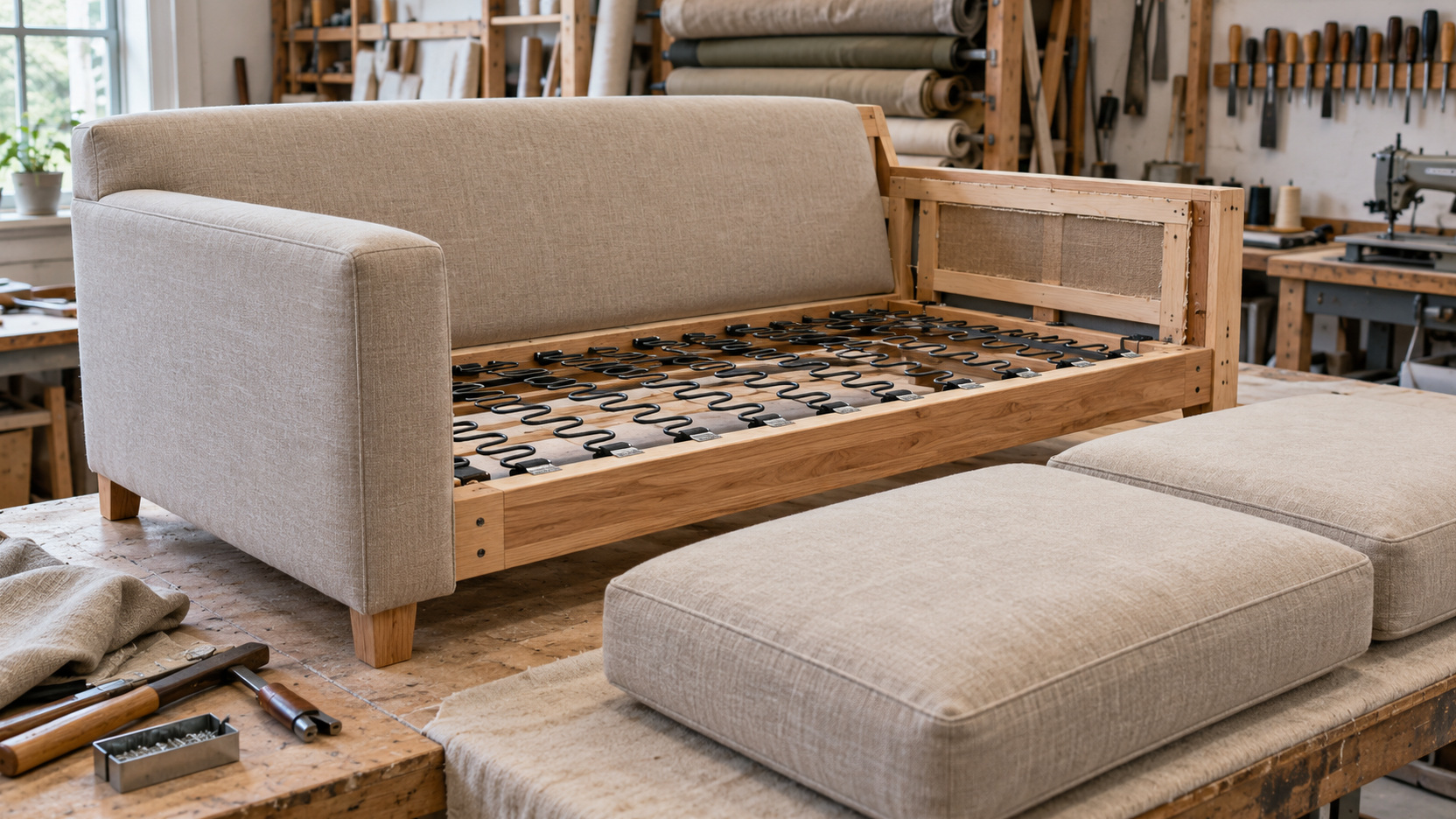
Begin with the sofa body: its frame, legs or base, seating support and the connections that hold the assembly together. These parts establish the everyday seat and the structure around the sleeper. Ask which construction information applies to the exact size and configuration you are considering. A general description for an entire collection may not explain a particular chaise, removable arm or delivered assembly.
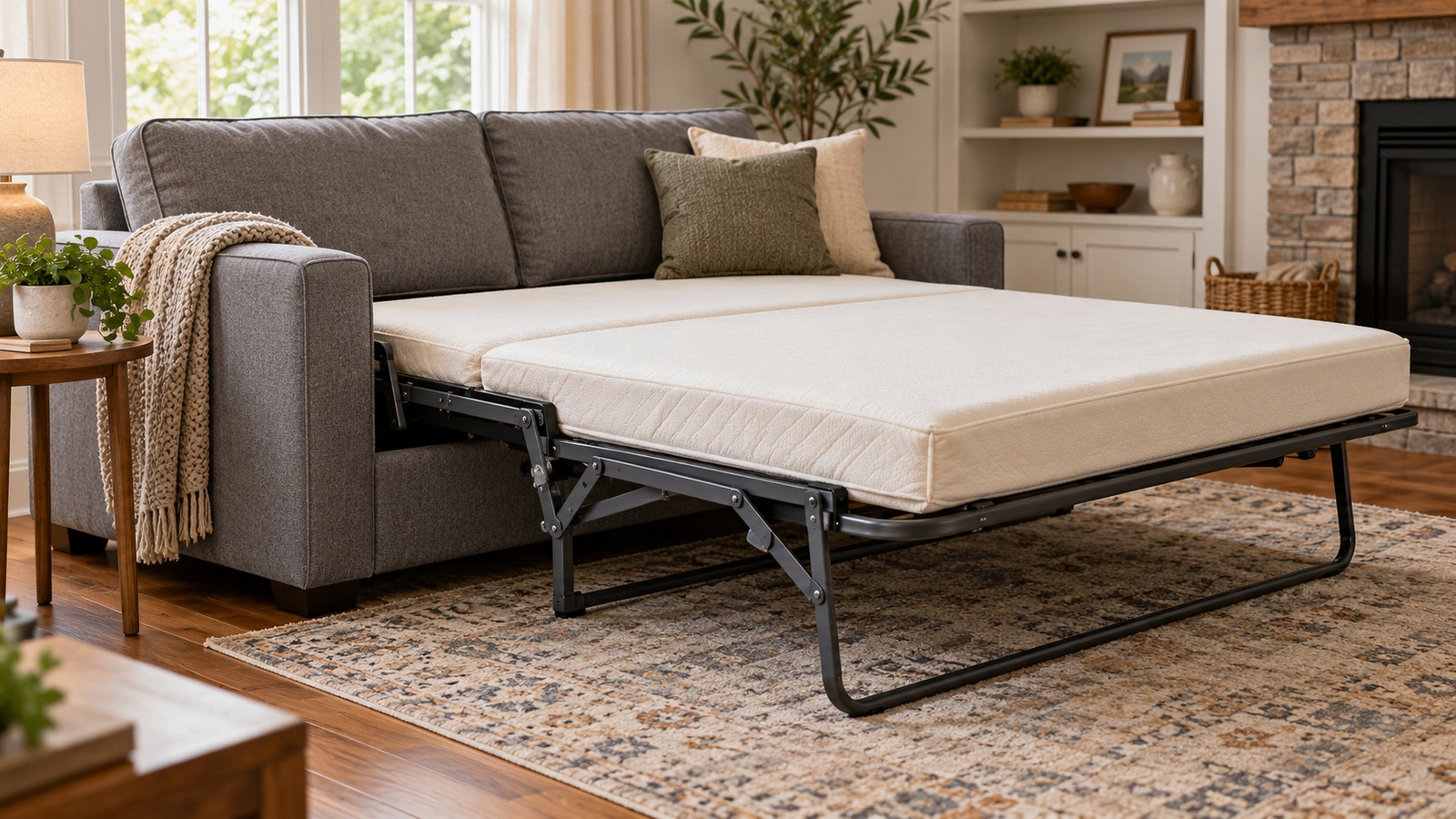
Next identify the conversion mechanism. This is the moving arrangement that takes the furniture from seating to its sleeping position. Have the supplier explain how it attaches, which supports deploy, and what must be removed before opening. The metalwork you can see is only part of that description. You also need to understand the completed setup and the operator’s steps, without dismantling a display model to investigate it yourself.
Finally, examine the sleeping deck and its compatible mattress or sleeping cushions. Some designs unfold a mattress; others rearrange upholstered sections into a sleeping surface. Compare the particular product rather than assuming all furniture called a sofa bed uses the same system. Keep that distinction throughout shopping, because daily seat comfort, conversion effort and overnight support are related requirements with different questions to answer.
Judge Materials Through Their Specified Role
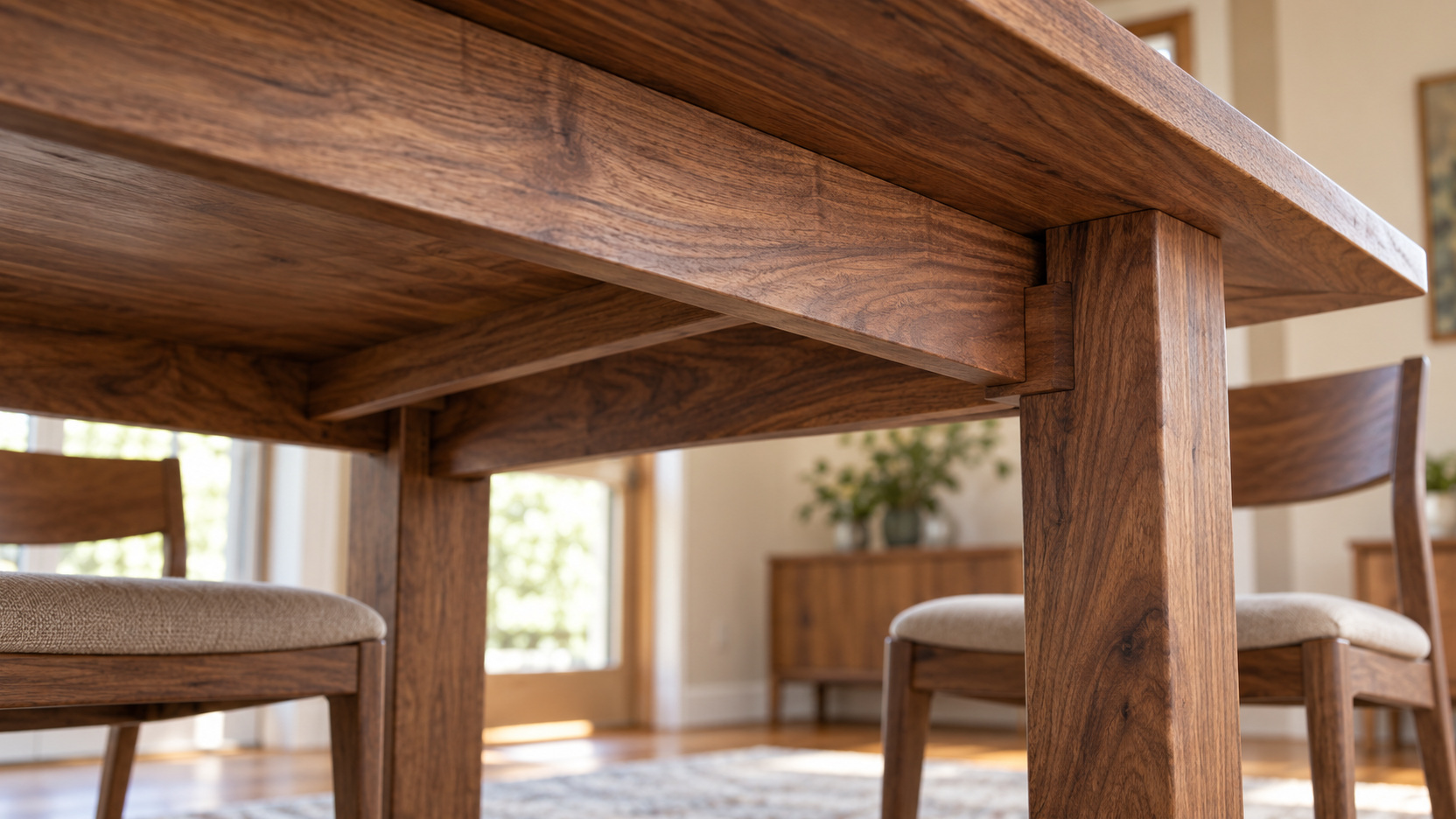
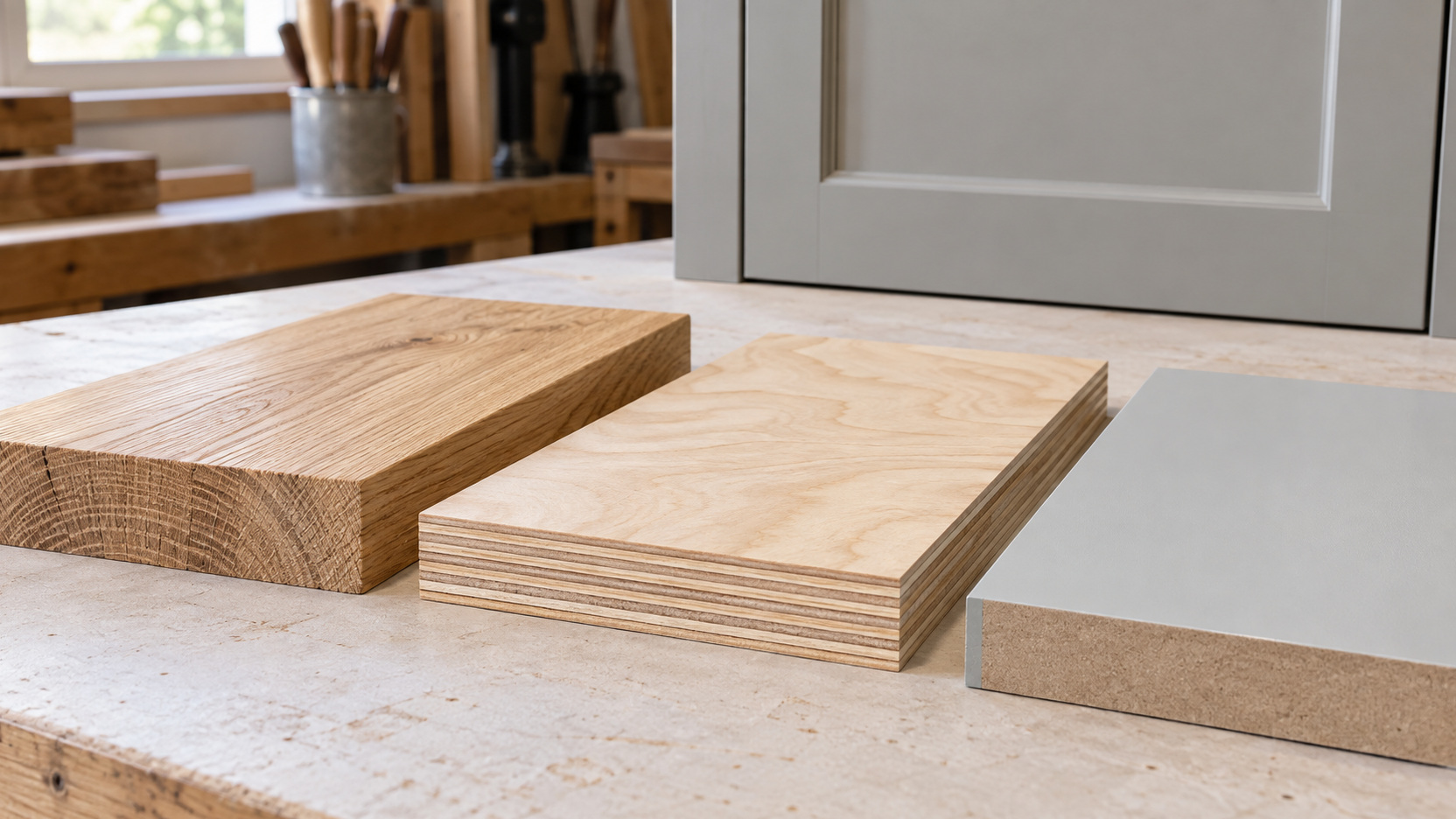
Wood, engineered wood and metal may have different roles within one sleeper sofa. La-Z-Boy’s sleeper collection information, for example, describes engineered-wood frames with steel supports. This illustrates a combined construction rather than proving that one material always wins. Ask the maker to identify the selected sofa’s structural arrangement and intended use. A description such as solid wood should lead to questions about connections and support, while a metal mechanism should lead to questions about its fitting and operation. Do not rank two complete sofas solely by a material found in only one part of each.
Look for Explained Connections Rather Than Impressive Bulk
Ask how the sofa’s main sections are joined and which fittings are completed at delivery. If the back or arms are removable, find out how they locate and secure in the final assembly. A thick upholstered outline can conceal a modest frame or a complicated connection, so photographs alone are not enough. Request the applicable product information or a representative’s explanation instead of guessing from weight, arm width or a familiar joint name.
The useful evidence is an assembly that fits its instructions and behaves appropriately in ordinary use. A supplier should be able to explain an accessible connection or direct you to the right service information. Unanswered looseness in a floor model deserves clarification, not an assumption that every example will improve after delivery. Equally, a detachable section is not automatically a weakness when the product is designed to use it and the connection is fitted correctly.
Understand How the Bed Reaches Its Open Position
Watch the conversion from start to finish before comparing claims about easy opening. A representative should demonstrate the selected model’s sequence, including cushion removal, hand positions and any deployed legs. Notice whether the person who will operate the furniture can realistically perform the same permitted steps. A mechanism that works beautifully for a salesperson may still be a poor match for the household’s handling needs or the space around the sofa.
For one documented example, La-Z-Boy’s sleep-sofa instructions show an initial extension that brings central support legs to the floor, followed by lowering the front leg. Those steps explain a particular mechanism; they are not opening instructions for every sleeper. Use the current manual supplied for your actual purchase, with the model and version confirmed. The example shows why partial opening and a fully prepared sleeping arrangement must be distinguished during evaluation.
Follow the specified restrictions during any trial. The same manual limits mattress use to the fully extended position and cautions against loading its head area. Ask about the permitted sitting and sleeping positions on another model rather than transferring those details casually. A showroom demonstration should stay within intended use, without bouncing, rocking or deliberately testing overload. Keep bystanders clear as directed while the mechanism moves, and stop if its operation cannot be explained appropriately.
Confirm the Sleeping Support and Mattress Combination
Identify the mattress and deck supplied with the ordered size, including any options that change the system. Thickness, dimensions and folding requirements need to come from the sleeper maker rather than the assumption that a standard bedroom mattress can replace the original. Ask whether an alternative mattress is approved and how it affects closing, support and the warranty. A comfortable-looking upgrade is not useful if the mechanism cannot accommodate it correctly. Have the supplier demonstrate the intended combination fully opened, then discuss the actual guest’s comfort and how to manage bedding within the product’s instructions.
Test the Sofa Position as Carefully as the Bed
Sit in the positions the household will use most often for an ordinary interval, not just a quick doorway impression. Assess support, seat depth, height and the practical experience of standing again. If several people regularly share the sofa, include their usual arrangement in the permitted trial. The bed may be used occasionally while the seats are used every day, so overnight features should not obscure a poor fit for normal family-room life.
Ask what provides the seating support when the sleeper is closed. The answer may differ between conversion designs, and it helps explain the feel you experience. Confirm that the demonstration uses the cushion and mattress options you intend to order. A different showroom configuration can still be informative, but its comfort should not be presented as proof of the untested combination arriving at your home.
Give the Floor Contacts Their Intended Conditions
Review the product’s support points and placement requirements with the supplier, especially if the family room has a rug, a floor transition or a visibly uneven area. The sofa and the opened supports need the conditions specified by the maker. Do not improvise blocks, remove feet or pack a mechanism to make it appear steadier. If the proposed location does not permit the intended setup, ask for an approved response or choose another position. The room arrangement must account for the complete furniture in use rather than expecting its weight to resolve the installation question.
Investigate Quiet Use Without Promising Silence
Listen during normal sitting, getting up and the demonstrated conversion. Distinguish a sound heard only during opening from one that repeatedly interrupts seated use or sleeping. Note which action produces it and whether the furniture touches a wall, table or other nearby object. These observations describe the problem more usefully than declaring all wood noisy or assuming any metal sound means the entire mechanism is defective.
Ask the retailer to explain a concerning sound before purchase. If the sofa is already installed, use the maker’s prescribed checks or service route rather than applying oil, tightening every visible fitting or adding padding between moving parts. A lubricant or altered connection can affect more than the immediate noise. Where the source remains uncertain, a qualified assessment is preferable to masking it and leaving the underlying operation unexplained.
A quiet demonstration cannot guarantee permanent silence under every household condition. What it can show is how the completed product behaves now and whether the supplier addresses an identified concern competently. Keep the model details and service response so a later change can be discussed precisely. If movement, damage or a support problem develops, obtain guidance before continuing to rely on the furniture in that condition; a cosmetic solution to sound does not establish structural fitness.
Compare Two Complete Proposals
Imagine two similarly sized sleepers for a family room that hosts relatives several times a year. One quote highlights hardwood construction but leaves the mechanism, mattress option and final assembly unclear. The other describes a combined-material body, identifies its sleeping system, supplies the applicable instructions and demonstrates both positions. The second proposal is easier to assess, even though its material description sounds less exclusive. Ask the first supplier to fill its information gaps before making a final decision.
Now compare the daily seats, actual conversion effort and guest comfort, not simply the amount of information supplied. Either sofa might prove suitable once the unanswered details are resolved. Add delivery, required assembly and any approved mattress option to both totals. Choose the proposal that meets the household’s real requirements with an explained complete system, rather than paying for reassuring words while a crucial function remains uncertain.
Measure the Room With the Sleeper Open
Record the full open footprint and the space needed to operate it, then compare both with the family room. Include the coffee table’s temporary destination, bedside access and the route to the door. A stronger or quieter sofa will still be inconvenient if conversion blocks the only passage or requires a difficult furniture move every night. Test that layout with the actual household conditions before ordering. This is also the point to decide whether occasional overnight use belongs in another area instead of compromising the daily seating arrangement.
Plan Delivery Around the Permitted Assembly
Ask which parts arrive attached and which may be separated through the manufacturer’s procedure. Measure the actual doorway and turning route using the supplier’s relevant delivery dimensions. American Leather’s FAQ includes assembly and disassembly information for its Comfort Sleeper, illustrating that some systems have an identified sequence involving the body and bed sections. That example does not establish permission to take another sleeper apart. Obtain the instructions for the selected product and confirm who performs the work.
Include reassembly and the final demonstration in the delivery arrangement. A removable component is helpful only if the completed furniture is restored as intended, with its specified parts and fittings. Keep the correct documents after packaging leaves the house, and ask how a later move would be handled. Planning that process now avoids a hurried decision to pull on an arm or remove an unfamiliar mechanism fitting when the sofa meets a narrow hallway.
Compare Service Terms by Component
Read the warranty for the sofa body, mechanism, mattress and upholstery rather than assuming one headline covers everything equally. La-Z-Boy’s warranty information lists components and distinguishes parts from labor coverage. Other makers have their own terms and exclusions. Ask the retailer to identify the applicable documents and the person responsible for an assessment if something is missing or does not operate properly.
Discuss component replacement before an inexpensive-looking secondhand purchase becomes a repair project. A seller may know the sofa’s age but not its mechanism version or permitted mattress replacement. Missing instructions, uncertain alterations or unexplained damage can prevent a confident comparison. Obtain the information and an appropriate assessment instead of assuming a familiar material or a low price makes restoration straightforward.
Keep invoices, model identification and any service advice together. If a concern develops, describe whether it occurs in seating, conversion or sleeping use and explain the ordinary action involved. That separates the relevant part of the system from unrelated comfort preferences. It also gives the provider a clearer path than a broad complaint that the sofa feels weak, without asking the household to diagnose hidden construction itself.
Accept the Finished Sleeper Through Both Roles
At handover, confirm the ordered model and options, correct assembly and the permitted opening and closing sequence. Try the ordinary seats and observe the fully prepared sleeper with the supplier’s guidance, then resolve discrepancies through the responsible provider. Do not accept an unexplained bind or support concern merely because the upholstery looks right. The best construction choice is the complete arrangement whose body, mechanism and sleeping support are identified, correctly fitted and suited to this family room. With manageable operation and a clear service route, it can serve daily gathering and occasional guests without turning either role into guesswork.