Choose the Viewing Zone Before Choosing the Wall
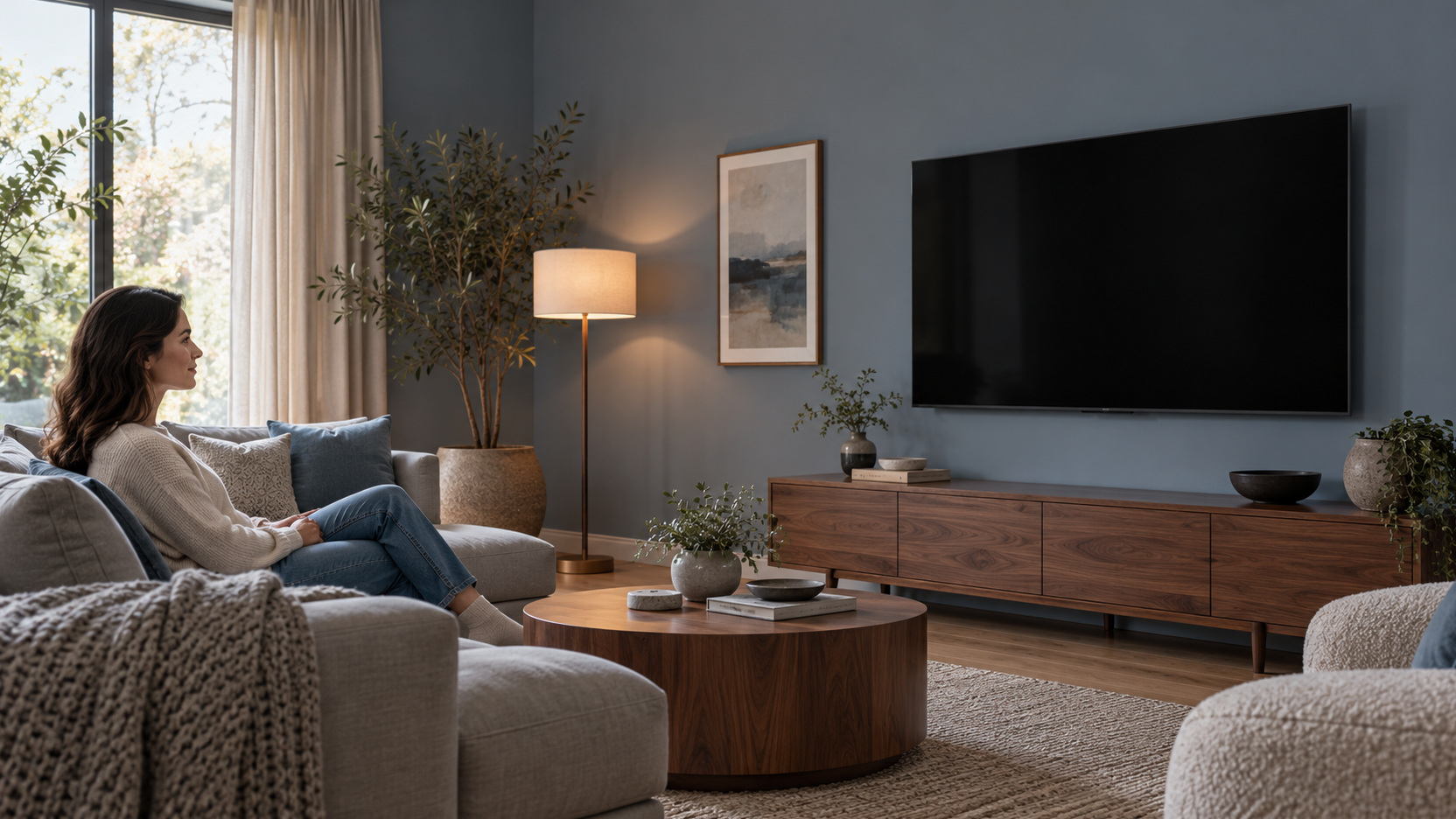
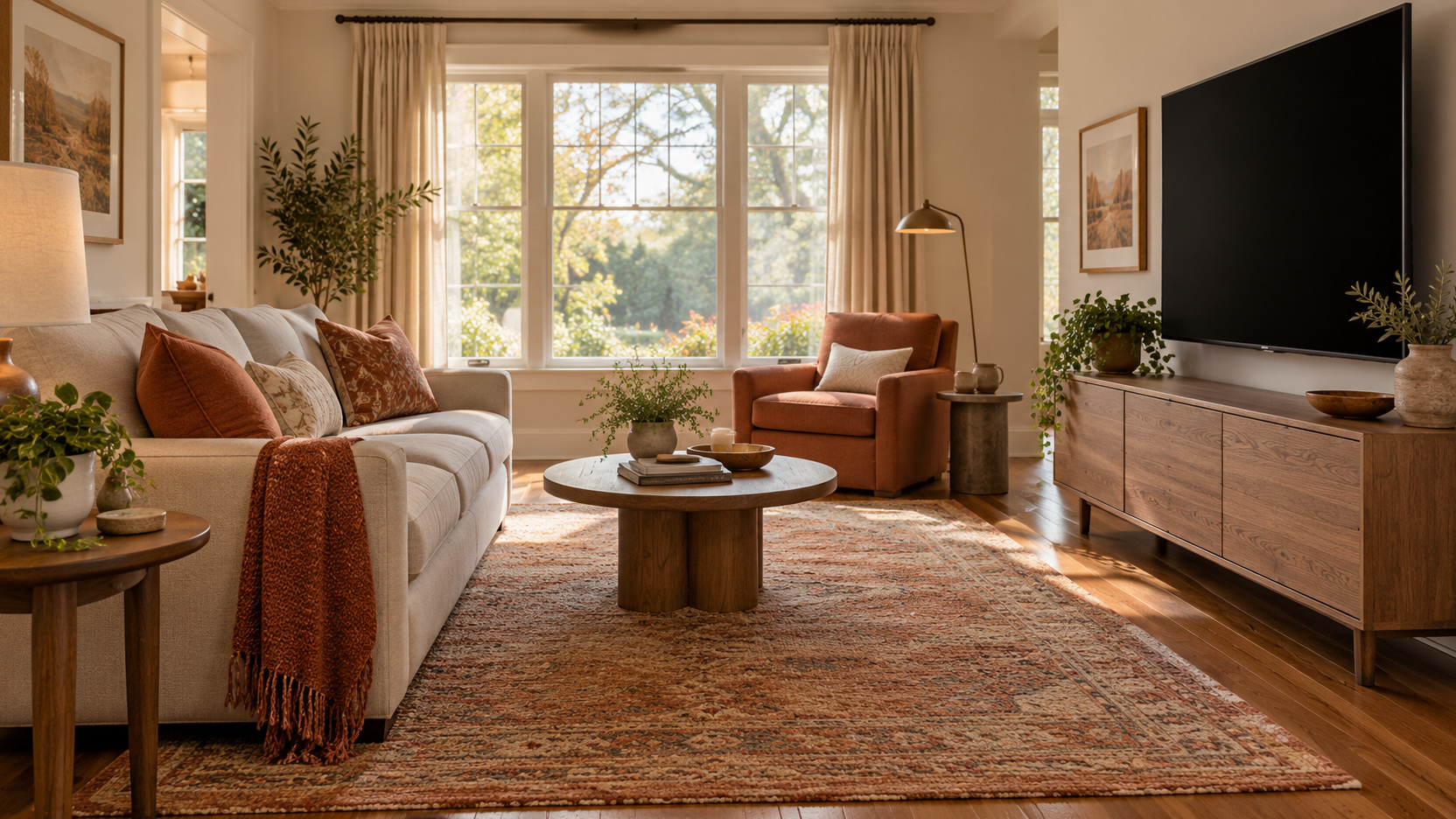
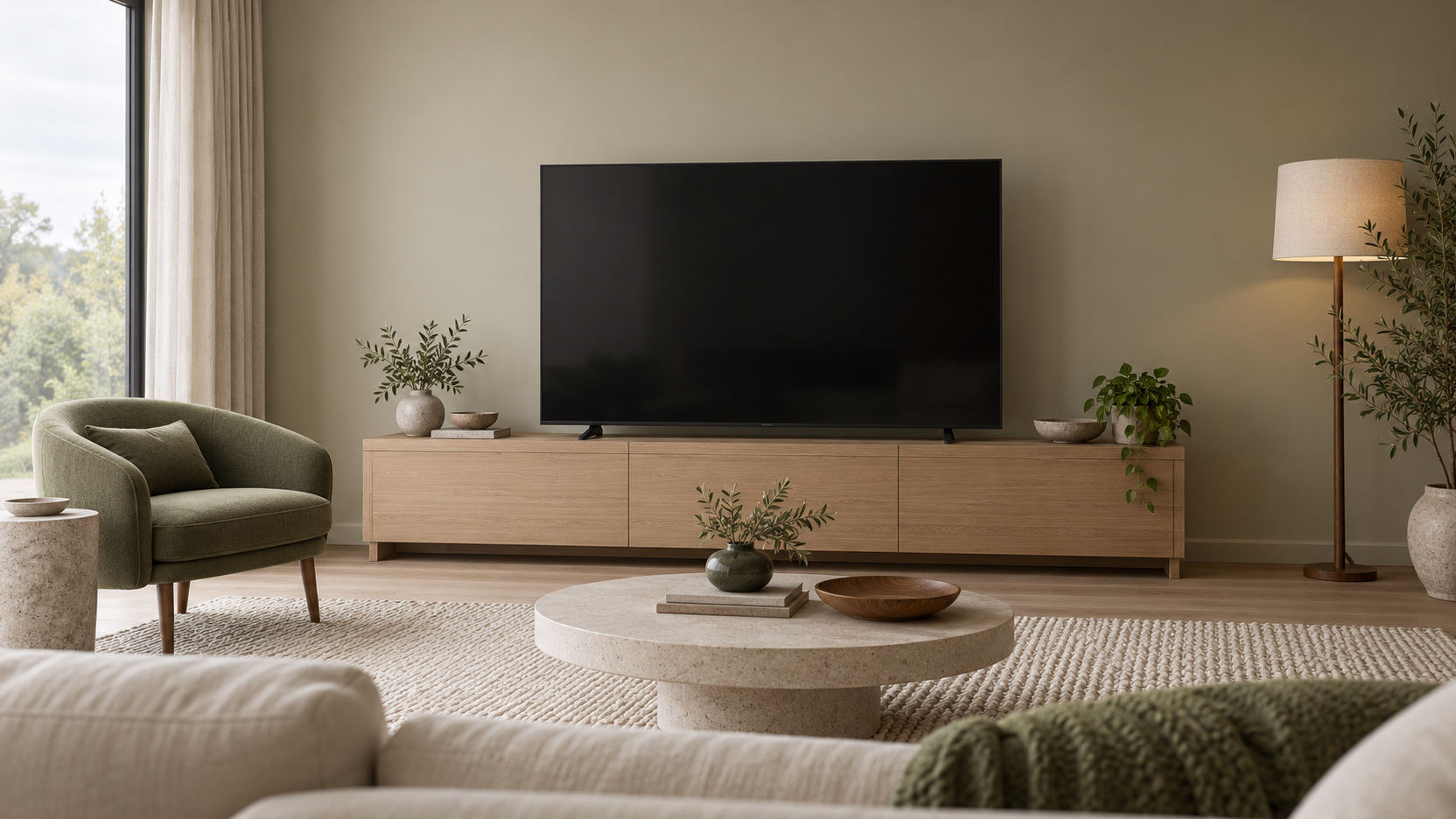
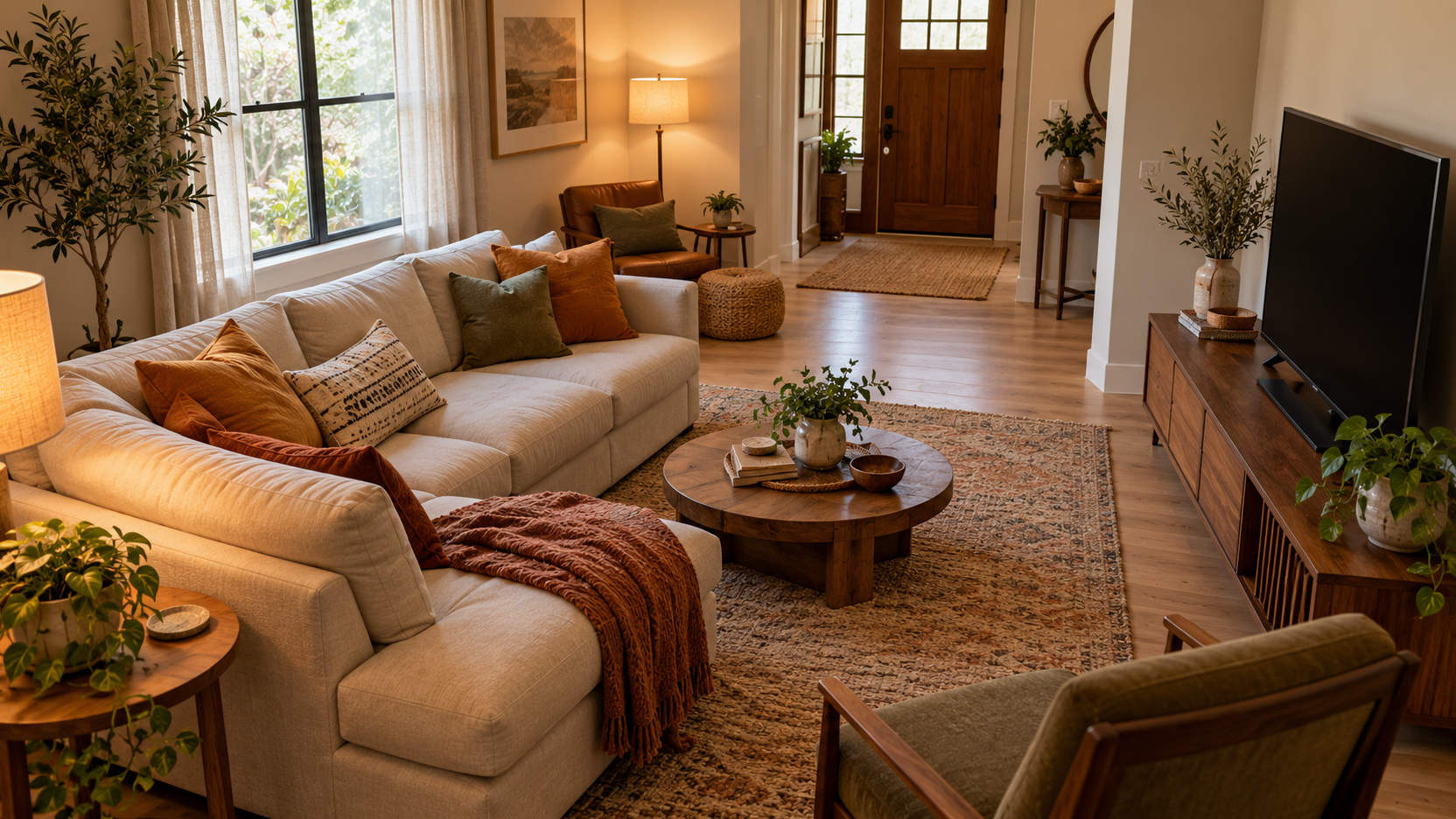
A good television location works with the living room’s everyday activity. It lets the regular seats see the picture comfortably, handles the room’s light, leaves sensible routes through the space, and provides appropriate places for connected equipment. The biggest empty wall is not automatically the best answer. Start by identifying where people actually watch and what else the room needs to do, then compare a few complete layout options. Include the screen position, furniture, sound equipment, connections, and installation conditions in each proposal. That approach can reveal a practical location without letting the television turn every other household activity into a compromise.
Map Watching Alongside the Room's Other Uses
Name the living room’s main activities before moving furniture. Conversation, reading, children’s play, access to adjoining rooms, and television viewing may share the same space. Identify which activities happen together and which happen at different times. This helps distinguish a real layout conflict from a situation that can be managed through flexible seating or a nearby secondary zone.
Mark the seats used for regular watching and the places used only occasionally. Their viewing needs can differ in importance. A primary sofa may deserve a direct relationship with the screen, while a chair used mainly for reading might support occasional viewing through a manageable change in direction. Keep those roles explicit rather than forcing every piece into one identical purpose.
Record the frequent routes through the room. An entrance, balcony door, or path to the kitchen can become an interruption if it passes directly between the main viewers and the picture. The route also needs to remain practical when chairs are occupied or other furniture is in use. A good screen location considers the room operating with people in it, not just the furniture outlines on a quiet floor plan.
Compare Complete Arrangements Rather Than Empty Walls
For each plausible location, draw the screen, seating, console, sound equipment, and ordinary routes together. A wall may fit the television but leave the main seat awkwardly angled or push a cabinet into a doorway. Another location may use less obvious wall space while giving the household a more coherent viewing zone. Compare the working arrangements before selecting a decorative focal point.
Keep the initial shortlist manageable. Two or three realistic layouts are easier to test than a large collection of hypothetical positions. Note what each one improves and what it compromises. This gives the household a specific discussion about visibility, light, movement, and equipment rather than a general argument over which wall looks most balanced.
Check Daylight From the Intended Seats
Look toward the proposed screen plane at the times of day you usually watch. Windows can create reflections, and their effect may differ between morning and afternoon. Do not assume the light seen during an evening planning session represents the whole room. Record which proposed locations receive direct reflections or competing brightness under ordinary conditions.
A temporary screen outline or a suitable existing television can help connect the proposal to the viewing position. If you move equipment, follow its handling and installation guidance. An outline shows placement but cannot reproduce the selected model’s image appearance or reflection behavior. Keep that limitation clear while using the trial to narrow obviously awkward room relationships.
Consider controllable light as part of the solution. Suitable window treatments and adjustable room lighting may improve a location, but their use needs to fit the household routine. A room that must be made inconveniently dark whenever the television is used may not serve its other activities well. Test the complete lighting arrangement rather than treating a curtain purchase as an automatic answer to every reflection.
Keep the Main Viewing Direction Comfortable
Assess how the regular seats face the proposed picture. A screen far to the side of the main sofa may require a repeated turn even when its distance and height seem reasonable. Try sitting normally while looking toward the outline. The location should support the actual watching position rather than rely on everyone rotating into a pose chosen only for the trial.
Review Off-Center Seats With the Actual Model
Television viewing characteristics vary, so important side positions deserve a model-specific check. Sony’s placement guidance notes that viewing-angle specifications differ by television. Consult the selected product information and test relevant positions where possible. Screen size alone cannot establish that the picture will look equally satisfactory from every chair in the room.
If side seats are used frequently, compare whether a small furniture adjustment improves their direction without harming another activity. An occasional seat may allow a different compromise from the household’s main sofa. Consider how often each arrangement will be used. A well-defined compromise is more useful than an unrealistic demand that every position receive an identical view.
Keep distance and direction separate in your notes. A nearer chair can still be far off-center, while a distant central seat has another kind of relationship with the picture. Those differences can guide whether the solution is screen size, seating placement, or another wall. A single measurement of how far the chair sits from the television cannot identify all three issues.
Set Height From the Viewers and Furniture Together
Measure seated eye positions and test the proposed screen center before approving a height. Include the actual television dimensions and furniture below it. A cabinet or soundbar can create a physical conflict with a preferred lower edge. Work through that conflict as part of the layout rather than raising the screen automatically to preserve an existing decorative arrangement.
Use a full-size outline with the planned center and edges marked. Ask regular viewers to assess it from their normal seats and relevant reclining positions. The wall bracket location must then be determined from the actual television and mount instructions. A good viewing brief and a correct attachment method are connected stages, not interchangeable measurements.
Keep Conversation and Circulation Useful
A television can be one focal point without making the room unsuitable for other shared activities. Try the seating arrangement during conversation as well as viewing. Nearby chairs may be able to serve both roles if their movement and footprint are manageable. Avoid building flexibility around a heavy piece that cannot realistically be repositioned every time the activity changes.
Check door movement, chair use, and access to storage with the screen arrangement in place. A console may fit against the chosen wall but reduce a frequently used route. Include the occupied furniture positions in the assessment. The viewing zone should remain practical through an ordinary household evening, including people arriving, leaving, and using adjacent parts of the room.
Look for tall objects that can block part of the picture from a regular seat. Lamps, decorative items, and nearby furniture may create a problem only from lower positions. Test the actual sight line rather than judging the screen from the doorway. Moving a small object can sometimes improve visibility more simply than changing the television’s height or the whole seating plan.
Treat Fireplace and Equipment Conditions Separately
An above-fireplace location can combine a high sight line with environmental concerns. Samsung’s wall-mounting guidance advises against fireplace placement for its televisions and discusses heat and other practical issues. Review the actual television and fireplace requirements, and seek appropriate installation advice where needed. A familiar decorative arrangement does not establish that the location is suitable for every model or room.
Do not expect an adjustable mount to solve every condition associated with a proposed location. It may change orientation within its permitted operation, but equipment environment, support, clearances, and connection access still need assessment. Compare a different wall before committing to a complicated way of accommodating an awkward one. Sometimes relocating the viewing zone resolves several problems together.
Give Connected Devices an Appropriate Home
Plan where the streaming device, console, receiver, or other regularly used equipment will sit. Their instructions can require particular ventilation, support, and access conditions. A closed cabinet should not be assumed suitable simply because it hides devices attractively. Identify the actual equipment and its needs before deciding how much storage the television location requires.
Include ordinary controls and service access. A device that must be reached often should not be trapped behind a heavy unit or a tightly fitted screen. Check whether the planned arrangement leaves the relevant receivers, ports, and operating parts usable. A coherent installation should remain manageable after the initial setup, when the household changes a connection or needs to inspect a component.
Keep sound equipment in the layout from the beginning. A soundbar or speaker system may need more than a decorative gap beside the television. Follow the relevant placement instructions and assess how it fits with the furniture and listening seats. Leaving audio to whatever space remains can make an otherwise promising screen location less useful as a complete viewing zone.
Plan Connections Without Guessing Installation Methods
Find the available power and connection routes, then determine what the proposed layout actually requires. Follow applicable equipment instructions and obtain appropriate help for installation work where needed. Do not improvise an in-wall method from a desire to hide cables. Viewing placement can be tested independently from the technical decision about how the completed connections should be installed.
Allow prescribed clearance for moving mounts and accessible connections. A neat cable route should not pull a connector during normal adjustment or obstruct equipment ventilation. Include the whole permitted movement range in the installation review. The finished arrangement needs to operate correctly, not only look tidy with every component fixed in one display position.
Check Support and Furniture Before Finalizing
For wall mounting, confirm compatibility and required support through the television and mount instructions. Wall conditions and attachment details need appropriate assessment. A location chosen for excellent sight lines still may require another support arrangement. Do not treat a viewing outline or a generic mount description as proof that the selected equipment can be installed on that particular wall.
For a stand arrangement, check the exact stand footprint, cabinet suitability, and required securing. The CPSC’s Anchor It resources address television and furniture tip-over prevention. Use the relevant product guidance for the actual setup, including the furniture supporting it. A console’s visual width alone does not establish a complete appropriate installation.
Confirm who performs each part of delivery and fitting. The selected components, final position, and operating requirements should be clear to the installer. Keep the model and fitting records with the household’s equipment information. These details will help if a later move, replacement, or service need changes the viewing zone.
Test the Winning Layout Through an Ordinary Evening
Imagine a rectangular living room with a window on one long wall, a fireplace on a short wall, and a solid side wall available for the television. A screen opposite the window may offer a direct sofa view but receive troublesome reflections during afternoon use. The side wall may reduce that conflict while requiring the sofa to turn and a chair to move away from the door route. The fireplace wall offers an obvious focal point, yet its height and equipment conditions may rule it out after the separate assessment described above.
Trial the side-wall arrangement with the television outline and occupied furniture positions in place. Watch where a person enters, how someone reaches the window, and whether the chairs can still support conversation without a heavy nightly reset. Then compare it with the window-facing option at the time of day reflections actually appear. Choose the arrangement whose compromises remain manageable through those activities, and give the installer its exact equipment and support requirements. After fitting, check the familiar sources and controls from the seats that made the layout worthwhile.